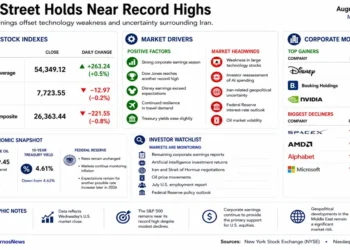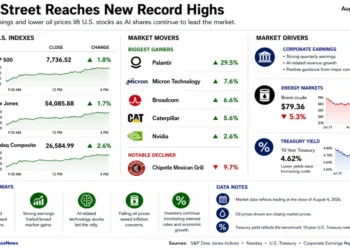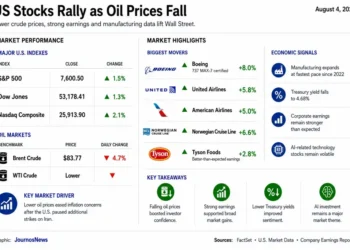
U.S. stocks edged higher on Wednesday, pushing major indexes further into record territory after oil prices retreated, easing concerns about inflationary pressure and broader economic disruption linked to tensions involving Iran.
Market data showed the S&P 500 rose modestly to another all-time high, while the Nasdaq composite also climbed to a record level as technology shares continued to support gains across Wall Street. The Dow Jones Industrial Average finished slightly higher as investors weighed geopolitical developments alongside expectations for corporate earnings and economic growth.
The move came after oil prices declined sharply from recent highs reached during heightened tensions between the United States and Iran. Energy markets had previously reacted to fears that conflict in the Middle East could disrupt global crude supplies and push fuel costs higher.

Lower oil prices can reduce pressure on businesses and consumers by easing transportation and production costs, factors closely watched by investors assessing inflation risks and potential Federal Reserve policy decisions.
Technology Shares Continue Supporting Markets
Artificial intelligence-related companies remained a major driver of market momentum. Semiconductor and technology firms tied to AI demand helped extend gains that have fueled much of the market’s advance this year.
Corporate optimism surrounding AI infrastructure spending has continued to support investor appetite for large-cap technology stocks, even as broader economic uncertainty persists.
Market gains were also aided by easing concerns that escalating geopolitical tensions would trigger a prolonged spike in commodity prices or significantly disrupt global trade flows.
Oil Retreat Calms Inflation Concerns
Energy markets have remained highly sensitive to developments involving Iran and U.S. military actions in the region. Oil prices had surged earlier amid fears of potential supply interruptions through key shipping routes.
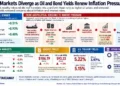


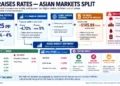
However, the decline in crude prices during Wednesday trading helped stabilize broader market sentiment. Lower energy costs are often viewed by investors as supportive for both consumer spending and corporate profit margins.
Economic data and central bank policy expectations remain key drivers for investors as markets continue balancing strong corporate performance against concerns over inflation and interest rates.
Investors Monitor Broader Economic Signals
Wall Street has continued to show resilience despite geopolitical uncertainty and questions surrounding the pace of future interest-rate cuts.
Investors are also monitoring upcoming economic reports and corporate earnings releases for further indications about consumer demand, labor market conditions, and business investment trends.
While technology shares have led much of the market’s recent advance, analysts continue watching whether gains broaden into other sectors as the year progresses.
Details surrounding future geopolitical developments and their impact on energy markets remain uncertain.