As messaging apps and social media continue to dominate everyday communication, handwritten letters and pen pal exchanges are experiencing a modest revival among people seeking more deliberate and personal forms of interaction. Researchers, educators and organizers involved in modern correspondence programs say the trend reflects broader concerns about screen fatigue, attention fragmentation and the emotional limits of digital communication.
Recent reporting by the Associated Press highlighted growing participation in pen pal communities and letter-writing initiatives across several countries, particularly among younger adults who grew up primarily with smartphones and social media platforms.
Data Behind the Trend
Pen pal programs that once appeared threatened by the rise of email and instant messaging have adapted to the digital era rather than disappearing entirely. According to AP reporting, programs such as Penpalooza — launched during the COVID-19 pandemic by writer Rachel Syme — attracted more than 15,000 participants during its initial rollout in 2020 and continues to draw new users during subsequent matchmaking rounds.

Organizations focused on traditional correspondence say younger adults are increasingly participating. International Pen Friends, an organization founded in 1967, has reportedly seen particular interest among people between the ages of 21 and 26.
Separate Associated Press reporting earlier this year also noted renewed public interest in analog hobbies including scrapbooking, calligraphy, typewriters and handwritten letters. Participants interviewed described these activities as a way to disconnect from constant notifications and regain a sense of intentionality in daily routines.
The renewed interest mirrors broader research into digital fatigue and changing technology habits. Studies from institutions including the Pew Research Center and OECD have documented rising concerns about screen time, digital overload and the social effects of always-on communication environments, particularly among younger adults and students.
Why Handwritten Communication Still Resonates
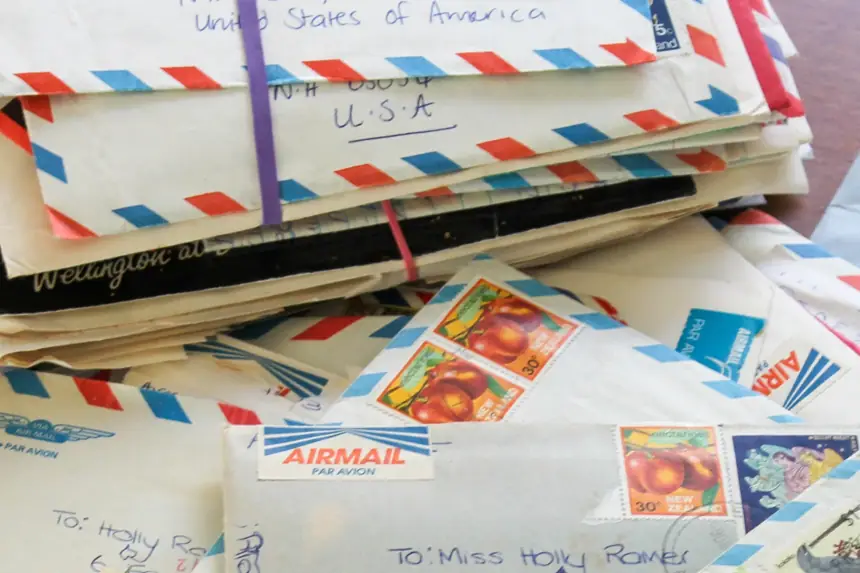
Advocates of letter writing argue that physical correspondence encourages slower and more reflective communication. Unlike text messages or social media interactions, handwritten exchanges often require greater time investment and emotional attention.
Rachel Syme, who organized Penpalooza, told the AP that many younger participants are drawn to activities that feel “more tactile, slower, more intentional” and disconnected from the internet.




Some participants also describe handwritten communication as emotionally distinct from digital messaging. In AP interviews, letter writers said receiving physical mail creates anticipation and a stronger sense of personal connection than online notifications.
Online communities centered around pen pal culture further suggest that correspondence relationships often become long-term emotional connections rather than temporary hobbies. Discussions on platforms such as Reddit show users reconnecting with old pen pals years later and describing handwritten exchanges as more memorable than conventional online communication.
The persistence of these relationships reflects a wider cultural shift toward slower and more mindful forms of interaction, particularly in response to increasing concerns about attention economy pressures and digital burnout.
Education and Intergenerational Communication
Educational institutions and community groups are also contributing to the continuation of letter-writing culture. Schools in several countries continue to organize pen pal exchanges as tools for language learning, cultural exchange and empathy development.
According to AP reporting, some educators view handwritten correspondence as beneficial for developing patience, reading comprehension and interpersonal communication skills among students.
The trend is not limited to traditional mail systems. Apps such as Slowly have adapted the pen pal concept for smartphones by simulating delayed message delivery intended to mimic international letter exchange. Users on online forums frequently describe the slower pace as encouraging more thoughtful conversations compared with standard messaging platforms.
Analysts say this hybrid approach reflects how younger generations are selectively combining digital convenience with analog-style experiences rather than rejecting technology outright.
Cultural and Social Implications
The renewed attention toward handwritten correspondence arrives amid wider discussions about loneliness, social fragmentation and the changing nature of friendship in highly digital societies.
Researchers studying communication habits increasingly note that many people are seeking activities that foster sustained attention and deeper interpersonal engagement. The popularity of physical media, journaling and other tactile hobbies suggests that analog experiences are becoming culturally associated with authenticity and mindfulness.
At the same time, postal systems in several countries continue reducing traditional mail services due to declining letter volumes. AP reporting noted that Denmark has ended standard letter delivery while other postal networks have reduced residential delivery frequency.
This creates a paradox in which handwritten correspondence may be gaining cultural visibility even as the infrastructure supporting it contracts.
Still, supporters of pen pal culture argue that the appeal of receiving a personal letter remains resilient despite technological change. Stories of friendships lasting decades through handwritten correspondence continue to circulate widely online and in mainstream reporting, reinforcing the idea that slower communication retains emotional value in an increasingly fast-moving digital environment.