At least 17 Sudanese migrants have died after a boat capsized off the eastern coast of Libya, underscoring a deepening humanitarian crisis in the central Mediterranean as migration attempts surge despite mounting risks.
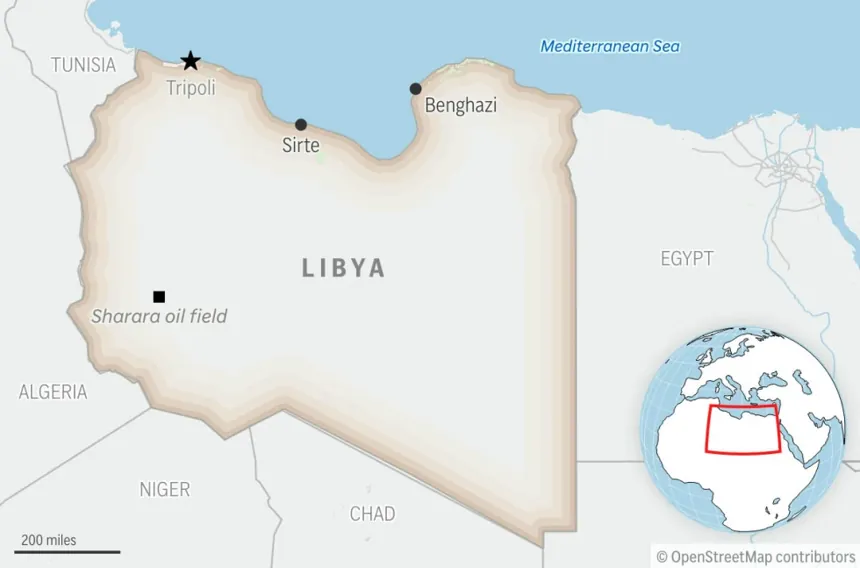
The vessel, carrying 33 people, overturned near the coastal city of Tobruk while en route to Greece, leaving only seven survivors and nine others still missing, according to the United Nations. The incident is the latest in a series of fatal crossings that have intensified international concern over migrant safety and the effectiveness of regional response efforts.
Officials from the International Organization for Migration (IOM) said survivors had been stranded at sea for several days before rescue, with some migrants reportedly dying from hunger and dehydration during the ordeal. Rescue operations were conducted by Libyan naval forces, the coast guard, and the Red Crescent, which recovered bodies from the water.

Humanitarian Emergency Intensifies Along Libya Route
The latest tragedy reflects a sharp escalation in migrant deaths along one of the world’s most dangerous sea crossings. The central Mediterranean route, linking North Africa to southern Europe, has seen a significant rise in fatalities this year.
According to UN data cited by The Associated Press, more than 765 migrants have died along the route in 2026 alone, marking a roughly 150% increase compared with the same period last year.
Analysts say the increase is driven by a combination of conflict, economic hardship, and expanding smuggling networks, particularly affecting migrants from countries such as Sudan, Bangladesh, and Afghanistan. The deteriorating situation in Sudan has been identified as a key factor pushing more people toward dangerous migration routes.
Regional Instability Fuels Migration Pressures
Libya continues to serve as a major transit hub for migrants attempting to reach Europe, despite ongoing instability since the 2011 uprising that toppled longtime leader Moammar Gadhafi. Weak state control and fragmented governance have allowed trafficking networks to operate with limited oversight.
Humanitarian organizations warn that migrants passing through Libya face severe risks even before reaching the sea, including detention, exploitation, and violence. These conditions, combined with unsafe vessels and limited rescue capacity, contribute to high fatality rates during crossings.
■ Related News




Recent incidents, including another shipwreck earlier in April that left more than 80 migrants missing, highlight the persistent dangers facing those attempting the journey.
International Response Under Strain
The growing number of fatalities has intensified calls for coordinated international action, particularly from European governments and UN agencies. However, divisions over migration policy and border enforcement continue to complicate efforts to establish a unified response.
Officials and analysts interviewed by Reuters note that while rescue operations remain active, they are increasingly stretched by the scale of migration attempts and the frequency of maritime emergencies.
Humanitarian groups have urged expanded search-and-rescue missions, improved legal migration pathways, and stronger action against trafficking networks to prevent further loss of life.
Strategic Outlook for Migration Policy
The latest shipwreck highlights the persistent gap between migration pressures and existing policy frameworks in Europe and North Africa. As conflicts and economic crises continue to drive displacement, experts warn that fatalities are likely to remain high without systemic changes.
The central Mediterranean is now experiencing one of its deadliest periods in over a decade, raising urgent questions about the sustainability of current approaches to migration management.
With crossings expected to continue in the coming months, the international community faces increasing pressure to address both the immediate humanitarian crisis and its underlying causes—before further tragedies unfold at sea.