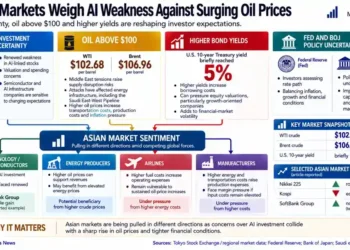
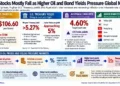
Global equity markets moved lower as rising oil prices and declines in technology stocks—particularly companies tied to artificial intelligence—pressured major U.S. indices, highlighting growing sensitivity to geopolitical risks and sector concentration.
Benchmark U.S. indexes fell during the latest trading session, with losses led by technology shares, while energy stocks gained in line with higher crude prices. Market data compiled by Bloomberg and reported by Reuters indicate that investors are reassessing risk exposure amid renewed volatility in commodity markets and shifting expectations for global growth.
The downturn reflects a dual market dynamic: weakening sentiment in high-valuation technology stocks and upward pressure on energy prices linked to geopolitical developments in the Middle East.

Technology Sector Pullback
Shares of major technology companies, including firms heavily exposed to artificial intelligence-driven growth narratives, declined as investors rotated out of high-multiple stocks. Analysts cited by the Financial Times noted that elevated valuations in AI-linked equities have made the sector particularly vulnerable to shifts in interest rate expectations and broader market sentiment.
Recent gains in AI-focused companies had been a key driver of overall market performance in previous months. However, data suggests that the concentration of returns in a narrow group of large-cap technology stocks has increased downside risk when sentiment turns.
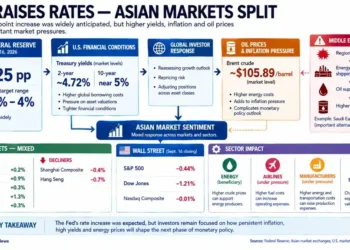
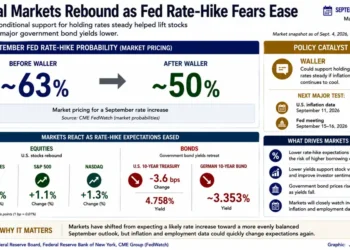
Market participants are also responding to signals that monetary policy may remain restrictive for longer than previously anticipated, which tends to weigh on growth-oriented sectors.
Oil Prices Climb on Geopolitical Concerns
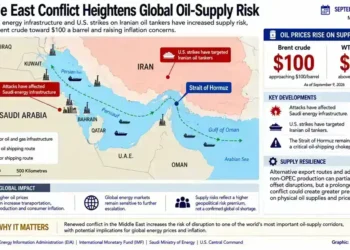
Crude oil prices moved higher amid escalating geopolitical tensions, with supply concerns contributing to upward pressure on global benchmarks. According to industry data and reporting from Reuters, traders are factoring in potential disruptions tied to developments involving Iran and broader regional instability.
Higher energy prices have supported gains in oil and gas stocks, partially offsetting declines in other sectors. However, rising input costs also raise concerns about inflation persistence, which could influence central bank policy decisions.


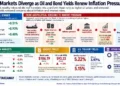
The energy sector’s relative strength underscores how geopolitical developments continue to influence cross-asset performance, particularly in periods of heightened uncertainty.
Broader Market Implications
The combination of falling technology stocks and rising oil prices presents a complex environment for investors. Analysts interviewed by The Wall Street Journal indicated that sustained increases in energy costs could dampen consumer spending and corporate margins, while continued volatility in high-growth sectors may limit broader market upside.
At the same time, defensive positioning appears to be increasing, with some investors shifting toward sectors perceived as more resilient in inflationary or uncertain macroeconomic conditions.
Strategic Outlook
Market participants are closely monitoring upcoming economic data and central bank communications for signals on interest rates and inflation trends. According to Bloomberg data, expectations for monetary policy remain a key driver of equity valuations, particularly in sectors reliant on future earnings growth.
The recent market movement highlights the interconnected nature of global financial markets, where geopolitical developments, commodity prices, and sector-specific dynamics can simultaneously influence investor behavior.