U.S. equities advanced to new highs as Intel’s earnings-driven surge lifted major indexes, underscoring the influence of semiconductor performance on broader market momentum. The rally came as investors weighed strong corporate results against ongoing volatility in global oil markets linked to tensions involving Iran.
Shares of Intel rose 23.6% in a single session—its strongest gain since 1987—after the company reported first-quarter results that exceeded analyst expectations and issued an optimistic profit outlook. According to reporting by the Associated Press, the gains pushed the stock above its prior peak from the dot-com era, signaling renewed investor confidence in chip demand tied to artificial intelligence.
Earnings Momentum Lifts Major Indexes
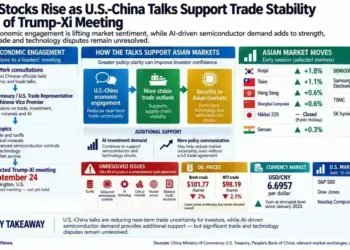
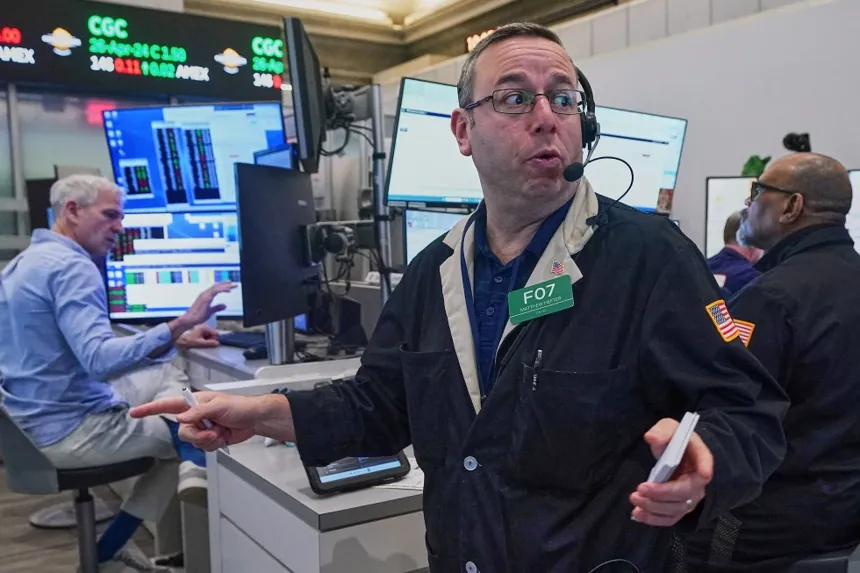
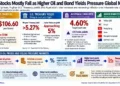
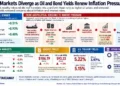
The earnings-driven rally extended across U.S. equity benchmarks. The S&P 500 rose 0.8% to a record close of 7,165.08, while the Nasdaq Composite gained 1.6%, also reaching an all-time high. In contrast, the Dow Jones Industrial Average declined 0.2%, reflecting uneven performance across sectors.

Market data cited by financial outlets indicate the S&P 500 has advanced nearly 13% over the past month, supported by stronger-than-expected corporate earnings across multiple sectors.
Semiconductor Demand Anchors Market Leadership
Intel’s performance highlights the central role of semiconductor companies in the current market cycle. Company executives attributed the stronger outlook to increased demand from next-generation artificial intelligence technologies, which are driving higher orders for chips and data-center infrastructure.
Broader industry trends reinforce this dynamic, with analysts noting that semiconductor stocks have outperformed as businesses accelerate investment in AI-related capabilities. This has positioned the technology sector as a key contributor to index-level gains.
Oil Market Volatility Reflects Geopolitical Risk
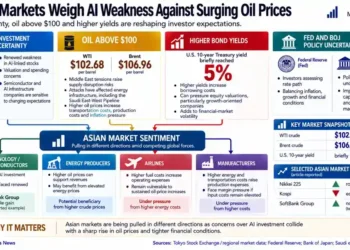
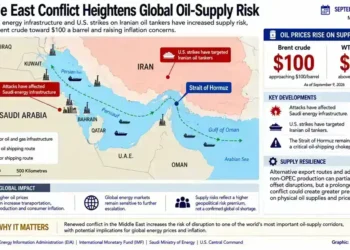
While equities advanced, oil markets remained volatile due to uncertainty surrounding the Iran conflict and shipping disruptions in the Strait of Hormuz. Brent crude prices fluctuated around $100 per barrel, reflecting both supply concerns and tentative diplomatic developments.
Geopolitical risk continues to act as a counterweight to equity gains, particularly for sectors sensitive to energy costs. Analysts note that sustained disruption to oil flows could influence inflation expectations and corporate margins.


Diverging Corporate Results Highlight Market Selectivity
Beyond Intel, corporate earnings presented a mixed picture. Companies such as Procter & Gamble reported stronger-than-expected profits, supporting share gains, while others including Charter Communications and The Hartford posted results that fell short of expectations.
This divergence underscores increasing selectivity among investors, with capital flowing toward companies demonstrating resilience in revenue growth and margin stability.
Policy Expectations and Market Outlook
In parallel, bond markets reflected expectations of potential monetary policy easing, with Treasury yields edging lower as traders increased bets on possible interest rate cuts later in the year.
The combination of strong earnings, easing rate expectations, and geopolitical uncertainty suggests that market performance will remain closely tied to both corporate fundamentals and external risk factors. Analysts indicate that sustained earnings growth—particularly in technology—will be critical in maintaining current valuation levels.