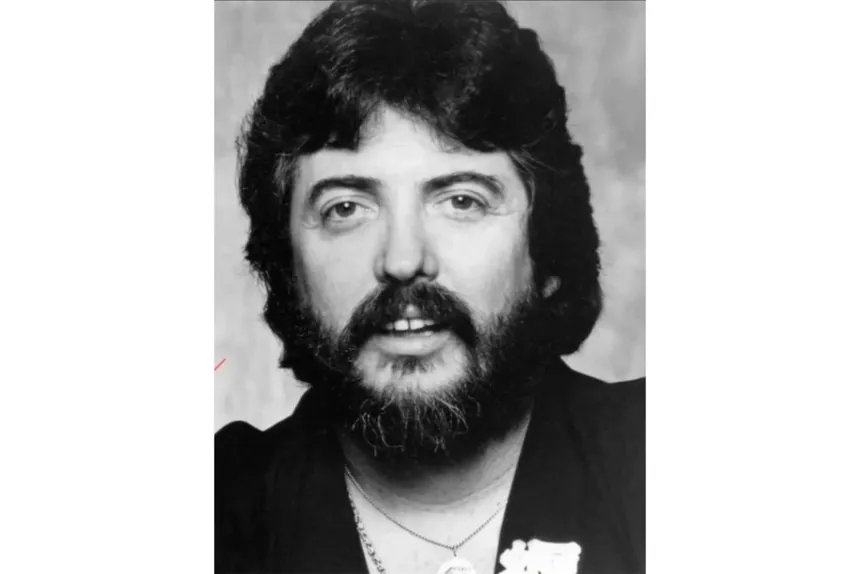
Darrell “Dash” Crofts, one-half of the influential soft-rock duo Seals & Crofts, has died at the age of 87, closing a defining chapter in 1970s popular music. His death, confirmed by family members, underscores the lasting commercial and cultural impact of a partnership that produced multiple Top 10 hits and helped shape the era’s “easy listening” genre.
Crofts died Wednesday in Austin, Texas, due to heart failure, according to a statement from his daughter. His passing follows that of longtime collaborator Jim Seals in 2022, marking the end of the duo whose music became a staple of U.S. radio during the decade.
Chart Success and Soft-Rock Breakthrough
Seals & Crofts rose to prominence in the early 1970s, delivering a string of commercially successful singles that resonated with mainstream audiences. Tracks including Summer Breeze, Diamond Girl and Get Closer all reached the Top 10 on U.S. charts, according to industry data tracked by Billboard.

Their breakthrough came with “Summer Breeze” in 1972, a release that helped define the mellow, harmony-driven sound associated with the post-1960s music landscape. Industry analysts have often cited the duo alongside contemporaries such as America and Bread as central figures in the commercial rise of soft rock.
The group’s success translated into strong album sales, with releases like “Diamond Girl” achieving gold certification, reflecting more than 500,000 units sold in the United States.
Artistic Identity and Spiritual Influence
While their music was widely categorized as easy listening, Crofts and Seals incorporated deeper thematic elements rooted in the Baháʼí Faith, which both artists embraced in the 1960s. The belief system informed both their songwriting and public performances, with references embedded in tracks such as Hummingbird.
Their approach distinguished them from contemporaries by blending spiritual messaging with commercially accessible melodies. According to family statements, the duo often shared elements of their faith during concerts, reinforcing a broader artistic mission centered on unity and social harmony.
However, this intersection of music and belief also generated controversy. The 1974 release of Unborn Child sparked industry backlash, with some radio stations declining to air the title track due to its anti-abortion themes following the Roe v. Wade ruling. Despite the reaction, the album achieved commercial success, illustrating the duo’s ability to maintain audience engagement amid public debate.
■ Related News




Industry Shifts and Later Career
By the early 1980s, shifting musical trends saw soft rock lose prominence, and Seals & Crofts were eventually dropped by their label, Warner Bros.. The duo disbanded temporarily, though both artists continued to perform independently and at faith-based events.
Crofts later released a solo album, “Today,” in 1998, while a reunion project, “Traces,” followed in 2004. In subsequent years, their catalog experienced renewed exposure through touring projects involving family members, reflecting ongoing audience interest in their music.
Legacy in Popular Music
Crofts’ death marks the conclusion of a partnership that helped define a distinct commercial sound within the broader rock genre. Beyond chart performance, Seals & Crofts contributed to a cultural moment characterized by melodic songwriting and introspective themes.
Industry observers note that their influence persists through continued radio play and streaming activity, as well as through reinterpretations by newer artists. Their catalog remains emblematic of a period when soft rock occupied a central place in mainstream music consumption.
Crofts is survived by his wife, children and grandchildren. His family described his passing as the close of an era, while emphasizing the enduring relevance of his music within global popular culture.