The U.S. Environmental Protection Agency has approved expanded sales of E15 gasoline—a higher-ethanol fuel blend—in an effort to moderate fuel prices following recent increases tied to geopolitical tensions. The decision allows broader seasonal distribution of the fuel, which contains 15% ethanol, compared with the standard 10% blend widely used in the United States.
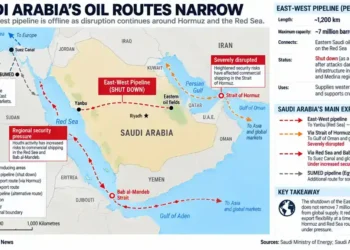
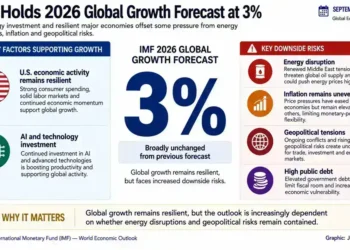
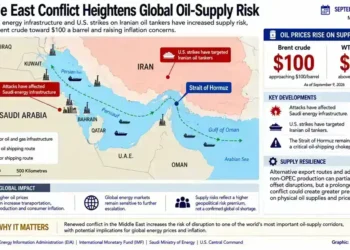
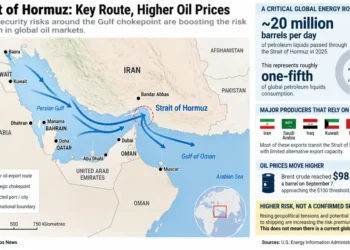
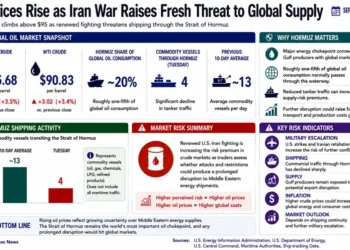
The policy intervention reflects ongoing efforts by U.S. authorities to manage energy costs as global supply pressures intensify. Fuel prices have risen in recent weeks amid disruptions linked to the Iran conflict, prompting calls from policymakers for short-term relief measures.
Policy Rationale and Market Context
Officials indicated the expanded availability of E15 is intended to increase domestic fuel supply and provide price flexibility at retail stations. According to statements from the U.S. Department of Agriculture, the move also signals support for domestic biofuel producers, particularly corn-based ethanol manufacturers.

Seasonal waivers permitting E15 sales during summer months have become increasingly common, reflecting bipartisan support for broader ethanol use. Industry data from the Renewable Fuels Association shows the blend is already available across several Midwest states and in certain regulated fuel markets.
Analysts note that ethanol-blended fuels can reduce per-gallon costs under certain market conditions, particularly when corn prices remain stable relative to crude oil. However, the price impact varies regionally depending on distribution infrastructure and supply chains.
Supply Constraints and Infrastructure Limitations
Despite the policy shift, industry observers caution that the immediate effect on fuel prices may be limited. Kenneth Gillingham, an energy economist at Yale School of the Environment, noted that E15 distribution remains uneven across the country due to infrastructure gaps and limited ethanol availability in some regions.
Retail adoption depends on compatibility with existing fuel systems, including storage tanks and dispensing equipment. In addition, higher ethanol blends may not be suitable for all engines, particularly older vehicles and certain recreational equipment, which could limit consumer uptake.
Agricultural and Cost Implications
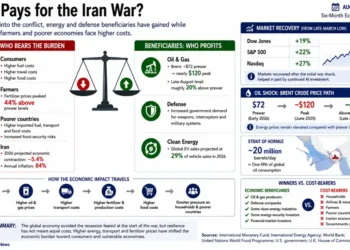
The expansion of ethanol use has broader implications for agricultural markets. Increased demand for corn as a biofuel input may tighten supply for livestock feed, potentially raising costs in the food supply chain.



Jason Hill, a researcher at the University of Minnesota, indicated that reallocating corn toward ethanol production could shift cost pressures from fuel markets to food prices. Industry participants have previously highlighted this trade-off as a structural constraint in scaling biofuel policies.
Environmental and Industry Response
Environmental considerations remain a key factor in the policy debate. Higher ethanol blends have historically faced restrictions during warmer months due to concerns about ozone formation and air quality. Researchers warn that expanded use could contribute to increased emissions under certain conditions, with potential public health implications.
The oil industry, represented by the American Petroleum Institute, has generally opposed broader ethanol mandates, citing cost and operational challenges. However, industry representatives indicated conditional support for the temporary waiver, noting it may help maintain fuel availability and price stability in the near term.
Strategic Outlook
The decision underscores the balancing act facing policymakers as they navigate energy affordability, environmental regulation, and agricultural economics. While expanded E15 sales may provide incremental supply relief, analysts suggest the overall impact on national gasoline prices will depend on broader market dynamics, including crude oil trends and refining capacity.
Longer-term discussions continue around whether to formalize year-round E15 sales, a move that would require regulatory adjustments and potentially significant infrastructure investment.