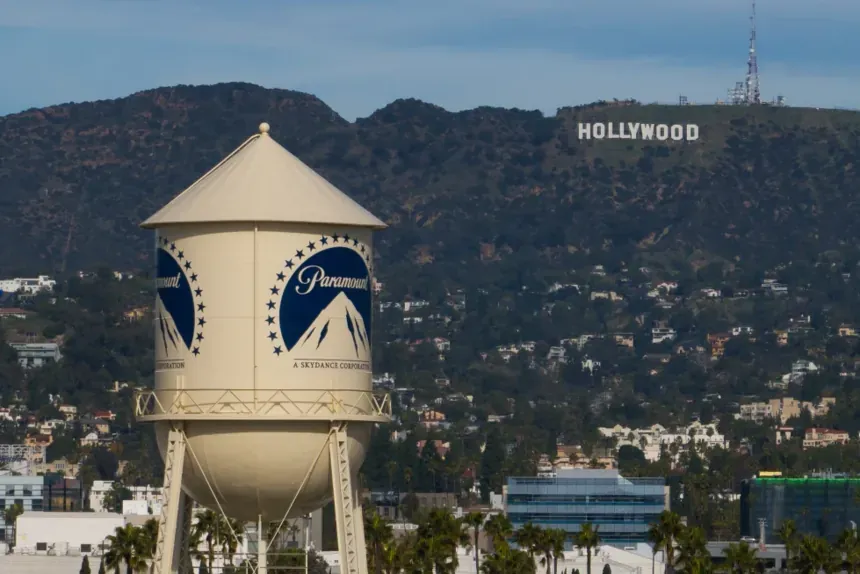
The competing bids for Warner Bros. Discovery, valued at $72 billion by Netflix and $77.9 billion by Paramount, have escalated into a high-stakes regulatory contest that could reshape the global media and streaming industry. According to corporate disclosures and reporting by the Associated Press, Warner’s board has endorsed Netflix’s proposal to acquire its studio and streaming operations, while Skydance-owned Paramount is pursuing a full takeover, including traditional networks such as CNN.
The outcome is expected to face extended review by U.S. regulators, with the Justice Department positioned to assess potential antitrust risks and broader market implications. The review process, which could last more than a year, is likely to influence the competitive balance across streaming, film production and linear television.
Regulatory scrutiny and antitrust considerations
Both transactions are expected to undergo close examination by the U.S. Justice Department, which could challenge or impose conditions on either deal. Antitrust concerns center on market concentration, particularly in streaming and content ownership.

Paramount has argued that Netflix’s proposed acquisition would consolidate a dominant streaming platform with Warner’s HBO Max, potentially limiting competition. Netflix, by contrast, has stated that the combination would expand consumer choice by integrating Warner’s content library into its distribution ecosystem.
Industry analysts note that both companies are likely to frame the relevant market broadly, emphasizing competition from platforms such as YouTube. According to Nielsen data cited in industry reporting, YouTube accounted for approximately 13% of U.S. viewing hours, compared with Netflix at about 8%.
Jim Speta, a law professor at Northwestern University, noted that companies may argue the merger is necessary to compete with large-scale platforms, adding that a broader market definition tends to reduce perceived antitrust risks.
Market structure and industry positioning
The bids highlight a significant divergence in scale across the three companies. Netflix, with an estimated market capitalization of around $430 billion, remains the dominant player in the group. Warner Bros. Discovery is valued at approximately $70 billion, while Paramount Skydance is valued near $14 billion, according to data cited in financial reporting.
Warner Bros. Discovery, a major Hollywood studio and media conglomerate, owns assets including HBO Max, CNN, and DC Studios, alongside a large film and television production portfolio. Paramount, which recently completed an $8 billion merger with Skydance, controls CBS, MTV, Nickelodeon, and its streaming service Paramount+.

Netflix’s core business remains streaming, which accounts for a substantial share of U.S. on-demand subscriptions. However, the company has also expanded into content production, with globally recognized titles contributing to its competitive positioning.
Strategic implications for content and distribution
If completed, either transaction would significantly alter content ownership and distribution across the industry. Netflix has indicated that it would honor Warner Bros. Discovery’s theatrical release commitments, though analysts note that its business model is primarily centered on digital streaming.
Paramount’s bid, by contrast, would combine two legacy studios, raising questions about the integration of film production, television networks and news operations under a single corporate structure.
Industry observers have raised concerns that consolidation could lead to reduced content availability or narrower distribution windows. Scott Wagner, head of antitrust at law firm Bilzin Sumberg, noted that mergers of this scale could influence how content is licensed and distributed across platforms, particularly for older film libraries.
Political and regulatory environment
The regulatory landscape is further complicated by political considerations. U.S. President Donald Trump has indicated he may take an active role in the approval process, stating that he would be “involved” in decisions regarding the Warner transaction.
Such involvement is unusual in the context of antitrust enforcement, where decisions are typically made by regulatory agencies. Analysts suggest that political dynamics could influence regulatory priorities, though the final outcome will depend on legal and economic assessments.
The potential consolidation of major media assets, including news organizations, has also raised additional scrutiny. A combined Paramount-Warner entity would bring together major broadcast networks such as CBS and CNN, prompting questions about editorial independence and market influence.
Industry outlook and potential impact
Regardless of the outcome, the bidding process underscores ongoing consolidation pressures within the media sector. Analysts suggest that prolonged negotiations and regulatory review could impact Warner Bros. Discovery’s operational performance and strategic focus.
The broader implications extend to employment, content production and competitive dynamics across the industry. While layoffs and restructuring are common following mergers, competition concerns may also arise if a combined entity gains significant purchasing power in labor or content markets.
As regulatory authorities assess the bids, the transaction is likely to serve as a defining case for how antitrust frameworks adapt to the evolving structure of global media, particularly as streaming platforms compete alongside traditional television and digital ecosystems.