Colossal Biosciences’ planned “biovault” in Dubai aims to freeze tissue from thousands of endangered species. The project echoes existing cryobanks but adds a controversial goal: potential de-extinction. The comparison raises questions about governance, conservation priorities, and how genetic archives fit into real-world biodiversity protection.
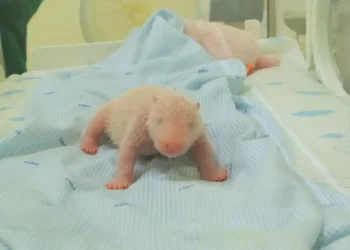
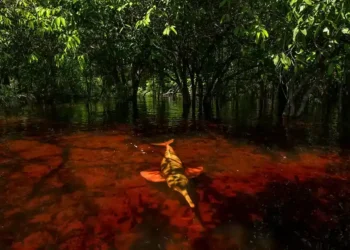
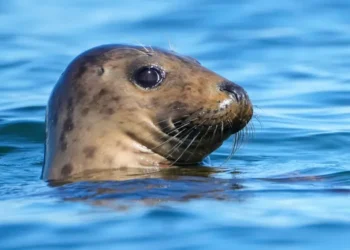
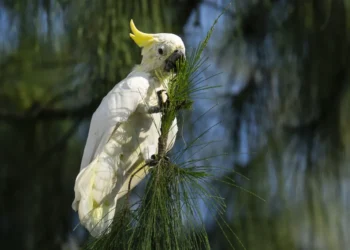
The announcement by Dallas-based Colossal Biosciences that it will build a large-scale frozen biobank inside Dubai’s Museum of the Future is framed as a landmark for biodiversity preservation. The facility — called the Colossal Biovault and World Preservation Lab — intends to store millions of tissue and cell samples from 10,000 species, including the 100 most endangered globally and within the United Arab Emirates.
Yet the significance of the project lies less in the scale of cryogenic storage than in what Colossal says it may eventually enable: not only conservation research, but the potential to “bring back” species should they go extinct. That dual purpose places the biovault at the intersection of two distinct scientific and ethical domains — biodiversity protection and de-extinction biotechnology — and invites comparison with long-established “frozen zoo” efforts that have quietly operated for decades with narrower conservation goals.
The contrast between these approaches reveals broader questions about whether cryobanking is best understood as a last-resort genetic insurance policy, a research tool, a public engagement platform, or a future-oriented biotechnology experiment. It also underscores unresolved issues around governance, international cooperation, and how genetic preservation should be integrated into conservation strategies already under strain.
Cryobanking is not new — but its framing is changing
Colossal’s biovault is not the first effort to store animal cells in deep freeze. The San Diego Zoo Wildlife Alliance’s Frozen Zoo, established in 1975, holds living cell samples from more than 1,300 species and subspecies. Advances in reproductive and cloning technologies have already enabled clones of endangered species such as Przewalski’s horse, the banteng, the Indian gaur, and the black-footed ferret using material from that archive.
Similarly, the UK-based Frozen Ark project maintains tens of thousands of DNA samples across multiple sites, while other facilities worldwide hold genetic materials for research, breeding programs, and disease study.
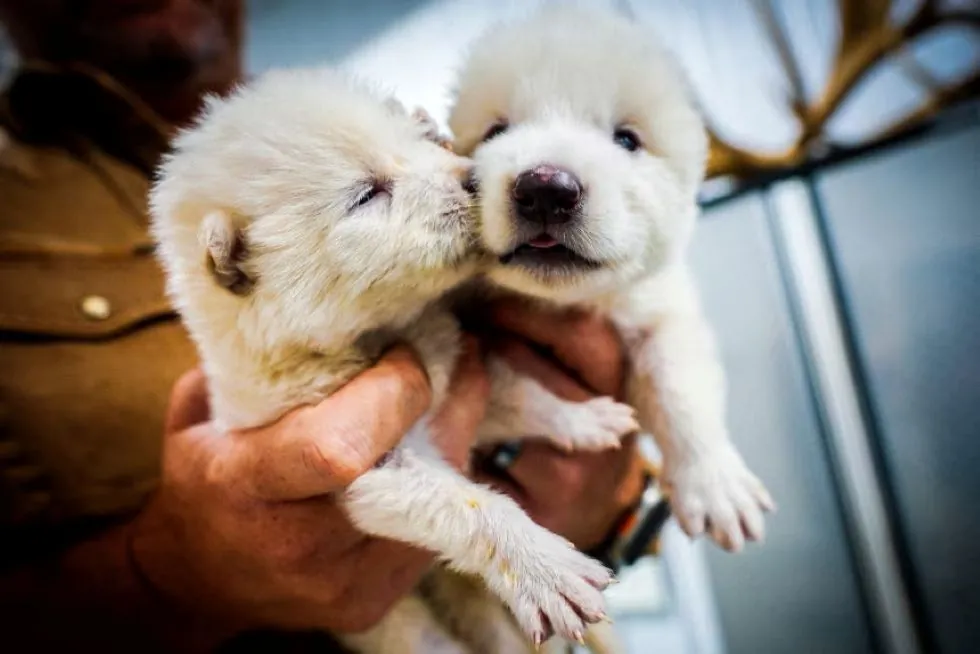
What distinguishes Colossal’s framing is its explicit link to de-extinction. The company has already attracted attention for claiming it “resurrected” the dire wolf by using gene editing on gray wolf DNA guided by ancient genetic material — a process many experts describe as creating a hybrid approximation rather than a true revival of an extinct species.
This positioning subtly shifts how a biobank is understood. Where traditional frozen zoos are framed as support systems for existing species conservation, Colossal presents its biovault as both a research repository and a potential future platform for synthetic restoration of lost species.
The conservation argument: genetic diversity as insurance
Colossal’s CEO Ben Lamm compares the biovault to the Svalbard Global Seed Vault, which stores nearly 1.4 million crop seed samples in the Arctic as a safeguard against agricultural loss. The analogy is deliberate: biodiversity, like food crops, may require a global backup.
The International Union for Conservation of Nature (IUCN) Red List currently identifies more than 48,000 species threatened with extinction among the 172,600 assessed. Estimates of annual extinctions vary widely, but the trajectory of biodiversity loss is well documented.
From this perspective, preserving multiple cell samples from each species — especially living cells rather than extracted DNA — offers a way to retain genetic diversity that could support future breeding programs or research, even if wild populations collapse.
This logic aligns with expert consensus that cryopreservation of living cells is valuable. The San Diego Zoo Wildlife Alliance described accelerating such efforts as an “urgent necessity” for biodiversity’s future, while cautioning that no single organization can undertake this alone.
Where experts draw the line: cryobanking is not conservation
Despite agreement on the value of cryopreservation, conservation scientists consistently emphasize a boundary: storing cells is not the same as protecting species in the wild.
Dusko Ilic, a stem cell scientist at King’s College London, noted that public details about Colossal’s biovault remain insufficient to assess its scope, governance, and integration with conservation frameworks. He stressed that “cryobanking alone does not equate to conservation impact.”
This distinction is central. Habitat destruction, climate change, poaching, pollution, and invasive species remain the primary drivers of extinction. Genetic archives do not address these causes.
Experts often describe frozen zoos as complementary tools — insurance policies rather than solutions. They can assist breeding programs, support genetic diversity, and enable research, but they cannot substitute for in situ conservation, habitat protection, and population management.
Colossal’s broader narrative, which links cryobanking to potential species revival, risks blurring this line in public perception. The idea that species can be recreated from stored cells may inadvertently suggest that extinction is reversible, when in reality ecological loss is rarely restorable at scale.
Governance and geopolitics: who owns frozen life?
A recurring theme in responses from established institutions is governance. The San Diego Zoo Wildlife Alliance emphasized the need for regulatory frameworks, international coordination, and long-term stewardship across political boundaries.
This is particularly relevant for a centralized biobank in the UAE intended to hold samples from thousands of species worldwide.
Questions arise over ownership of genetic material, access rights for researchers, compliance with international biodiversity agreements such as the Convention on Biological Diversity, and how benefits derived from the material would be shared.
Existing conservation biobanks often operate through distributed networks, favoring in-country storage in biodiverse nations partnered with institutions that have decades of collection expertise. This model reduces geopolitical risks and respects sovereignty over genetic resources.
Colossal has indicated the Dubai site is intended as the first node in a planned global network, but details on how such a system would be governed remain limited.
Public engagement as a scientific strategy
The location of the biovault inside the Museum of the Future is not incidental. Colossal intends the site to be a “living lab on display,” bringing visitors — particularly young people — into proximity with cutting-edge biotechnology.
This contrasts with traditional cryobanks, which typically operate out of research facilities with limited public visibility.
There is a communication strategy at play. De-extinction projects and dramatic imagery of revived species attract attention to biodiversity loss in ways that conventional conservation messaging often struggles to achieve.
For scientists and educators, this visibility may help raise awareness. For critics, it risks turning conservation into spectacle, potentially oversimplifying complex ecological realities.
Financial scale and technological ambition
The UAE initiative forms part of a broader nine-figure investment into Colossal, which has raised $615 million since 2021. The country recently invested $60 million into the company.
Such funding levels are unusual in conservation science, where budgets are typically constrained and incremental. Colossal’s model blends venture capital, biotechnology, and conservation rhetoric in a way rarely seen in the field.
This financial scale allows for ambitious infrastructure, but it also introduces expectations tied to technological breakthroughs, potentially reinforcing the narrative that biotechnology can “solve” biodiversity loss.
The unresolved question: what happens if species vanish?
At the heart of the debate is a pragmatic uncertainty. Despite conservation efforts, some species will likely go extinct. Cryobanking offers a way to retain biological material that might otherwise be lost forever.
The question is whether this should be seen primarily as a research archive, a genetic safety net for endangered populations, or a foundation for future de-extinction attempts.
Most conservation experts lean toward the first two interpretations. Colossal’s framing emphasizes the third as a possibility.
The difference is subtle but significant. One prioritizes present ecosystems and species survival; the other imagines future restoration of past life.
Complement, complication, or both?
Colossal’s biovault does not replace existing frozen zoos or conservation strategies. In many ways, it expands on them, both in scale and ambition.
Yet by linking cryobanking to de-extinction narratives, it complicates how such facilities are understood by the public, policymakers, and even parts of the scientific community.
If integrated with established conservation frameworks, governed transparently, and used primarily to support endangered species today, the biovault could become a valuable addition to global biodiversity efforts.
If perceived primarily as a technological fallback for extinction, it risks sending a misleading signal about the reversibility of ecological loss.
The initiative ultimately highlights a broader tension in modern conservation: whether the future of biodiversity protection will rely more on ecological stewardship, genetic technology, or an uneasy combination of both.
This article was rewritten by JournosNews.com based on verified reporting from trusted sources. The content has been independently reviewed, fact-checked, and edited for accuracy, neutrality, tone, and global readability in accordance with Google News and AdSense standards.
All opinions, quotes, or statements from contributors, experts, or sourced organizations do not necessarily reflect the views of JournosNews.com. JournosNews.com maintains full editorial independence from any external funders, sponsors, or organizations.
Stay informed with JournosNews.com — your trusted source for verified global reporting and in-depth analysis. Follow us on Google News, BlueSky, and X for real-time updates.