WASHINGTON (Journos News) – Colorectal cancer is rising in younger adults at a pace that is forcing clinicians and policymakers to rethink long-standing screening strategies. Once considered primarily a disease of older adults, it has become the leading cancer killer among Americans under 50, according to recent data from the American Cancer Society.
The shift has unsettled oncologists who built their careers treating mostly older patients. As first reported by Associated Press, specialists now routinely diagnose colon tumors in patients in their 20s, 30s and 40s — a demographic previously considered low risk.
Dr. John Marshall of Georgetown University’s Lombardi Comprehensive Cancer Center said the pattern represents a striking departure from past decades. “At the beginning of my career, nobody that age had colorectal cancer,” he noted in comments carried by the AP.

Public health authorities are now grappling with whether current screening guidelines are adequate — and whether younger Americans recognize symptoms early enough to seek care.
Mortality in Under-50s Climbs Despite Overall Declines
More than 158,000 Americans are expected to be diagnosed with colorectal cancer this year. Overall incidence and death rates have gradually declined, largely due to expanded screening and early detection. Among adults 50 and older, mortality has dropped by roughly 1.5% annually over the past decade.
Yet those gains are not mirrored in younger populations. According to cancer society researchers, colorectal cancer deaths among Americans under 50 have increased by approximately 1.1% per year since 2005. This year alone, an estimated 3,890 people younger than 50 are projected to die from the disease.
The divergence suggests that while screening colonoscopies and stool-based tests have reduced late-stage diagnoses in older adults, younger individuals — often outside routine screening windows — may be diagnosed later, when disease is more advanced.
Screening Age Under Scrutiny as Risk Shifts Younger
Current U.S. medical guidelines recommend that average-risk adults begin colorectal cancer screening at age 45. That threshold was lowered from 50 in recent years in response to rising early-onset cases. However, clinicians warn that some patients are still developing aggressive disease before reaching screening age.
■ Related News




Individuals with higher risk — including those with family history, inflammatory bowel disease, obesity, smoking, heavy alcohol use, sedentary lifestyles, or diets high in processed and red meats — are advised to consult physicians about earlier testing.
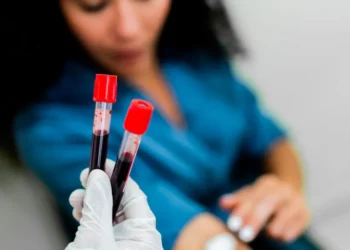
Screening options range from annual stool-based tests to colonoscopies performed every 10 years if no abnormalities are detected. A newer blood-based test has also entered the market for adults 45 and older, though long-term effectiveness data are still accumulating.
Health policy experts note that expanding access to earlier screening would require careful cost-benefit evaluation, insurance alignment, and public awareness campaigns.
Symptoms Often Dismissed in Younger Adults
Clinicians emphasize that delayed diagnosis frequently stems from symptom misinterpretation. Warning signs include rectal bleeding or blood in the stool, persistent changes in bowel habits, unexplained weight loss, abdominal pain, or stool narrowing lasting several days.
Younger adults may attribute such symptoms to hemorrhoids, stress, or dietary shifts. But oncologists stress that early evaluation can significantly improve survival outcomes, particularly before cancer spreads beyond the colon.
Unclear Causes Prompt Scientific Investigation
Despite the growing trend, researchers have not identified a single cause driving the rise in early-onset colorectal cancer. Traditional risk factors — obesity, poor diet, and inactivity — remain important, yet many younger patients lack obvious predisposing conditions.
Some investigators are examining whether alterations in the gut microbiome — the complex ecosystem of bacteria in the digestive tract — may influence tumor development. Others are studying tumor location patterns, noting that cancers in younger adults may occur in different parts of the colon compared with older patients, potentially affecting aggressiveness and treatment response.
According to experts at Georgetown’s cancer center, these biological distinctions could hold clues to why incidence patterns are shifting.
Prevention and Policy Outlook
While scientists investigate root causes, public health authorities continue to emphasize modifiable risk reduction: diets rich in fruits, vegetables, and whole grains; regular physical activity; reduced processed meat consumption; and smoking cessation. A recent multi-year exercise study also found improved survival and reduced recurrence in colon cancer patients who followed structured physical activity programs.
The accelerating burden among younger adults presents a policy crossroads. Expanding screening access, enhancing symptom awareness, and refining risk-based guidelines may determine whether mortality trends can be reversed.
For now, clinicians stress vigilance across age groups. As colorectal cancer is rising in younger adults, early recognition — not age assumptions — may prove the most effective intervention.