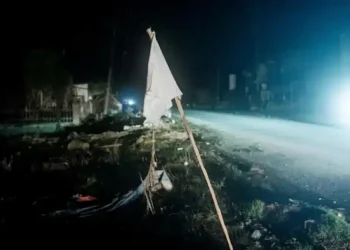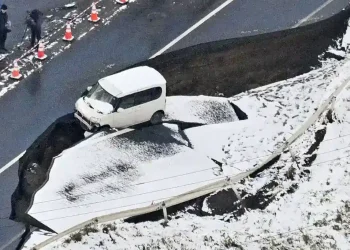
A vast winter storm that swept across much of the United States has left at least 29 people dead, as millions endured days of subfreezing temperatures, widespread power outages and major travel disruptions. Authorities warned that the extreme cold was far from over, with another surge of Arctic air expected to keep large parts of the country locked in dangerous winter conditions.
The storm stretched more than 1,300 miles from the South to New England, dumping heavy snow in northern states while coating parts of the South in ice. Emergency officials urged residents to limit travel, conserve heat where possible and seek warming shelters as utilities struggled to restore power in some of the hardest-hit areas.
Forecasters said freezing temperatures could persist for several more days, raising concerns about vulnerable populations, strained infrastructure and the risk of additional fatalities.
Widespread snow and ice paralyze daily life
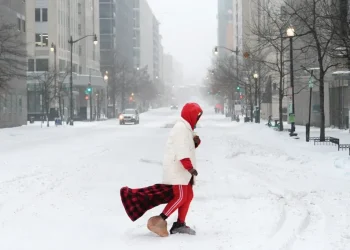
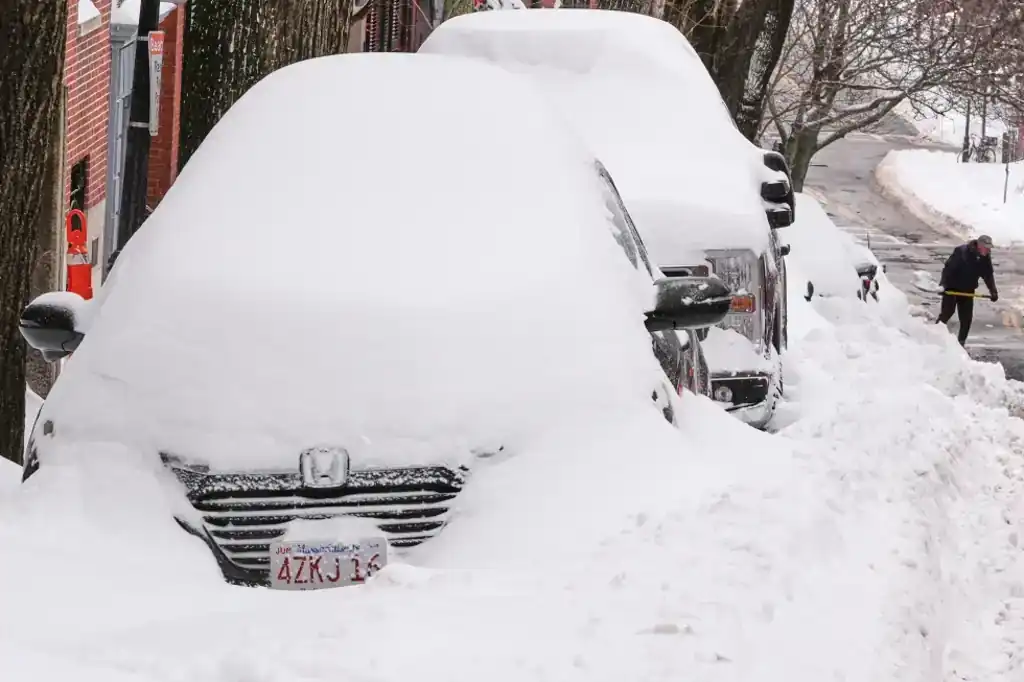
Heavy snowfall blanketed large portions of the Northeast and Midwest, with accumulations exceeding one foot in some areas. The National Weather Service reported that communities north of Pittsburgh recorded up to 20 inches of snow, accompanied by wind chills plunging to minus 25 degrees Fahrenheit (minus 31 degrees Celsius).
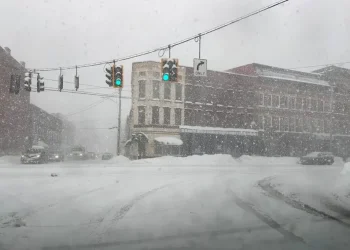
Snow-covered roads halted traffic across multiple states, while ice-laden conditions in the South snapped trees and power lines. Schools across wide regions canceled in-person classes, and many businesses remained closed as crews worked to clear roads and repair infrastructure.
In New England, light to moderate snow continued into Monday evening, prolonging hazardous travel conditions. New York City experienced its snowiest day in years, with some neighborhoods recording between 8 and 15 inches of snowfall. Public schools were closed for in-person learning, though students were instructed to attend classes online, reflecting changes adopted during the COVID-19 pandemic.
Power outages strain communities in the South
More than 670,000 customers nationwide remained without electricity as of Monday evening, according to PowerOutage.com, with the majority of outages concentrated in the South. Northern Mississippi and parts of Tennessee were among the worst affected after freezing rain caused extensive damage to power infrastructure.
Mississippi officials described the event as the state’s most severe ice storm since 1994. Emergency crews distributed cots, blankets, bottled water and generators to warming centers as residents faced prolonged periods without heat or electricity.
At the University of Mississippi in Oxford, classes were canceled for the entire week after ice rendered roads and walkways impassable. Mayor Robyn Tannehill said fallen trees and power lines lined nearly every street, likening the damage to the aftermath of a tornado.
Local residents reported extensive property damage. Tim Phillips, a real estate agent in Oxford, said falling branches smashed his garage, broke windows and cut power to his home, noting that many neighbors experienced similar losses.
Travel disruptions ripple nationwide
The storm severely disrupted air travel across the United States. Flight tracking service FlightAware reported more than 11,000 delays and cancellations nationwide on Monday alone. On Sunday, nearly 45% of all U.S. flights were canceled, marking the highest single-day cancellation rate since the COVID-19 pandemic, according to aviation analytics firm Cirium.
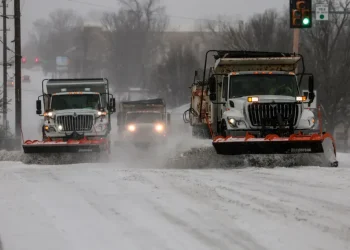
Road travel was also heavily affected, with state officials urging drivers to stay off highways where possible. Snowplows and emergency vehicles struggled to navigate icy roads, complicating rescue and recovery efforts.
Arctic cold tightens its grip
As the storm moved east, an intense wave of Arctic air settled over much of the country. Communities across the Midwest, South and Northeast woke to subzero temperatures, with forecasters predicting that the Lower 48 states would record their coldest average low temperature since January 2014.
In Nashville, Tennessee, power was restored to thousands of homes, but more than 170,000 customers remained without electricity overnight. Hotels across the city sold out as residents sought refuge from freezing homes.
Alex Murray, a Nashville resident, booked a hotel room to ensure his family had reliable electricity to store breast milk for their six-month-old daughter. Anticipating extended outages, he planned to remain there through midweek, acknowledging that many others lacked the means to do the same.
Rising death toll across multiple states
Authorities reported at least 29 storm-related deaths across several states, with causes ranging from exposure to accidents linked to snow and ice.
In New York City, officials said eight people were found dead outdoors between Saturday and Monday morning as temperatures plunged. Investigations into the causes of death were ongoing.
Police in Emporia, Kansas, discovered the body of a 28-year-old teacher covered in snow after searching with bloodhounds. She had last been seen leaving a bar without a coat or phone.
Fatal accidents were reported elsewhere, including incidents in which snowplows struck pedestrians in Massachusetts and Ohio. Arkansas and Texas each reported two deaths, including fatal sledding accidents involving teenagers.
Additional deaths were confirmed in Tennessee, Louisiana, Pennsylvania, Mississippi, New Jersey and South Carolina, according to state and local officials.
Forecast points to continued risk
The National Weather Service warned that another surge of Arctic air would likely sustain freezing temperatures in areas already buried under snow and ice. Forecasters also cautioned that another winter storm could impact parts of the East Coast later in the week.
Emergency officials urged residents to remain vigilant, check on vulnerable neighbors and follow local guidance as recovery efforts continued and dangerous conditions persisted.
This article was rewritten by JournosNews.com based on verified reporting from trusted sources. The content has been independently reviewed, fact-checked, and edited for accuracy, neutrality, tone, and global readability in accordance with Google News and AdSense standards.
All opinions, quotes, or statements from contributors, experts, or sourced organizations do not necessarily reflect the views of JournosNews.com. JournosNews.com maintains full editorial independence from any external funders, sponsors, or organizations.
Stay informed with JournosNews.com — your trusted source for verified global reporting and in-depth analysis. Follow us on Google News, BlueSky, and X for real-time updates.