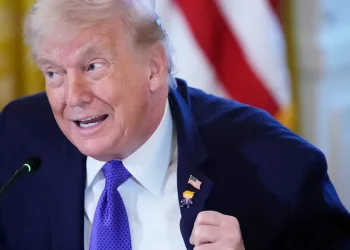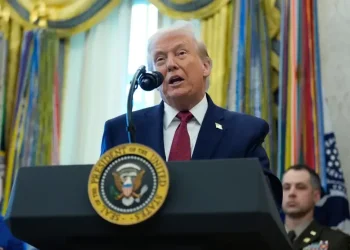
U.S. President Donald Trump has signed an executive order designed to protect revenue from Venezuelan oil held by the United States. The measure blocks the funds from being used in court cases or private legal claims.
The White House says the order supports broader U.S. efforts to stabilise Venezuela’s economy and political system following the removal of its former leadership. Officials argue that legal disputes over the money could disrupt those goals.
Executive order and legal basis
The order was made public on Saturday while Trump was in Florida. It states that oil revenue generated from Venezuelan crude under U.S. control remains the property of Venezuela but is being held for “governmental and diplomatic purposes.”

Because of that designation, the funds cannot be seized or attached through private litigation. The administration says this protection is necessary to prevent court actions from interfering with U.S. policy objectives.
Trump said the risk of judicial seizure poses an “unusual and extraordinary threat” to the United States. That language allows the president to act under emergency powers.
The order relies on the National Emergencies Act and the International Emergency Economic Powers Act. Together, those laws give the president authority to control foreign assets during declared national emergencies.
Context of U.S. involvement in Venezuelan oil
The decision comes as Washington expands its role in Venezuela’s oil sector. That shift follows the removal of former president Nicolás Maduro after years of economic collapse and international isolation.
Venezuela holds some of the world’s largest proven oil reserves. However, production has fallen sharply due to mismanagement, sanctions, and a lack of investment.
Trump has made restarting oil production a key part of his Venezuela strategy. The White House sees oil revenue as essential for rebuilding infrastructure and restoring economic activity. At the same time, it plans to keep strict U.S. oversight of sales and proceeds.
Trump has said the United States has taken control of shipments of Venezuelan crude. He has also said Washington is overseeing the sale of tens of millions of barrels that were previously under sanctions. Under the current approach, the U.S. will continue to manage those sales while holding the revenue outside the reach of creditors.
Oil industry concerns over investment climate
The order follows warnings from senior oil executives about the risks of investing in Venezuela. Despite political change, companies remain cautious.
Years of nationalisations, asset seizures, and shifting regulations have damaged investor confidence. Legal uncertainty remains a major concern.
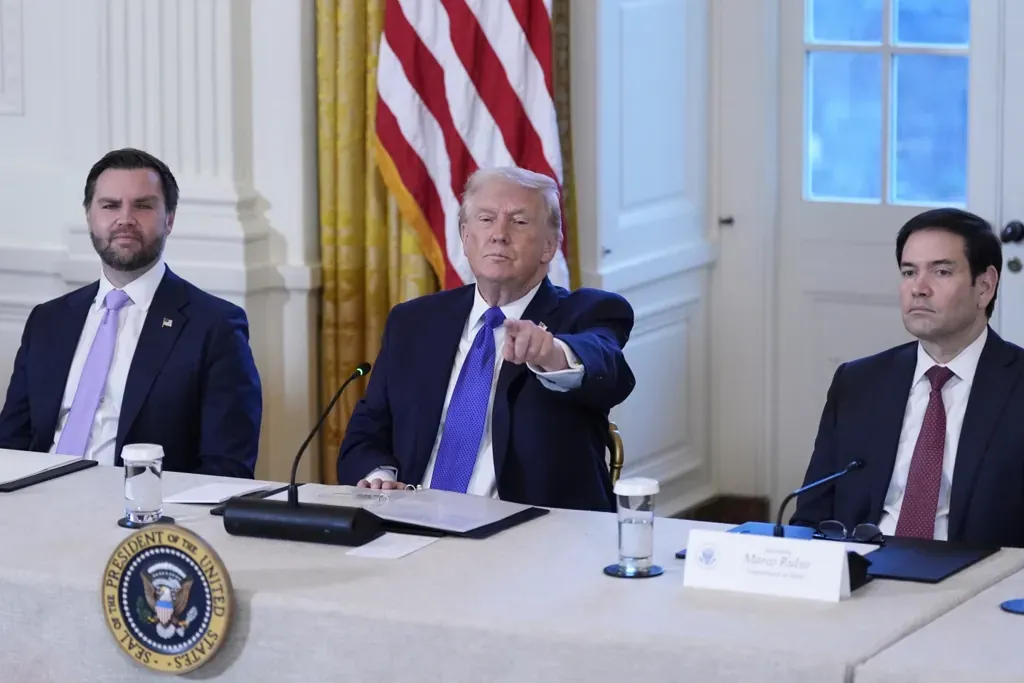
Speaking at a meeting with Trump on Friday, ExxonMobil chief executive Darren Woods said Venezuela is not ready for large-scale private investment. “If we look at the commercial constructs and frameworks in place today in Venezuela, today it’s uninvestable,” Woods said, according to the Associated Press.
Executives also point to unresolved ownership disputes and weakened institutions. U.S. and international sanctions have further complicated the investment landscape. Rebuilding the oil sector would require major capital, technical expertise, and clear legal protections.
White House assurances to companies
During the meeting, Trump sought to reassure oil executives. He said companies would work directly with the United States rather than with Venezuelan authorities.
The administration argues that U.S. oversight would offer greater stability than past arrangements. Officials say this approach could reduce political and legal risk for investors.
Venezuela’s history of expropriating foreign assets continues to shape those discussions. Previous governments seized or restructured oil projects involving international firms. Many of those actions led to arbitration cases and long legal battles.
By blocking court access to oil revenue, the administration aims to prevent competing claims from complicating its plans. The order does not resolve existing disputes, but it places the funds beyond immediate legal reach.
Political messaging and public statements
Trump has linked the policy closely to his broader political message. He has described U.S. control of oil revenue as a step toward restoring stability and prosperity in Venezuela.
In a post on his social media platform on Saturday, Trump said he loved the Venezuelan people and was already helping to make the country “rich and safe again.” He also thanked those involved in the effort.
Supporters say the approach could speed up economic recovery. Critics, however, have raised concerns about sovereignty, transparency, and long-term control over Venezuela’s primary export.
Broader implications
The executive order underscores the central role of oil in Venezuela’s future. It also highlights how closely energy policy now aligns with U.S. foreign strategy.
Shielding oil revenue from legal claims gives Washington greater control over how the funds are managed. At the same time, it concentrates significant authority within the U.S. government.
For investors, the move signals that political risk remains high, even if new opportunities emerge. For Venezuelans, the impact will depend on how the revenue is ultimately used to support recovery.
For now, the Trump administration has made clear that protecting oil revenue is a priority as U.S. policy toward Venezuela continues to evolve.
This article was rewritten by JournosNews.com based on verified reporting from trusted sources. The content has been independently reviewed, fact-checked, and edited for accuracy, neutrality, tone, and global readability in accordance with Google News and AdSense standards.
All opinions, quotes, or statements from contributors, experts, or sourced organizations do not necessarily reflect the views of JournosNews.com. JournosNews.com maintains full editorial independence from any external funders, sponsors, or organizations.
Stay informed with JournosNews.com — your trusted source for verified global reporting and in-depth analysis. Follow us on Google News, BlueSky, and X for real-time updates.