A coalition of 21 Democratic-led U.S. states has filed a lawsuit challenging the White House’s legal rationale for withholding funding from the Consumer Financial Protection Bureau, arguing the move violates federal law and undermines consumer protections nationwide.
The suit, filed Monday in New York, names the CFPB and its director, Russell Vought, and centers on the administration’s interpretation of how the agency is funded under the 2010 Dodd-Frank Act. The attorneys general contend that the White House is improperly using recent Federal Reserve losses as grounds to block the bureau’s access to operating funds.
According to the complaint, if the funding dispute is not resolved, the CFPB is expected to exhaust its remaining resources as early as January, potentially halting much of its work overseeing banks, lenders, and financial service companies.
Dispute over Federal Reserve funding mechanism
At the heart of the lawsuit is a long-standing but rarely tested provision of Dodd-Frank, which established the CFPB in the aftermath of the global financial crisis. The law allows the bureau to draw its funding directly from the Federal Reserve rather than through annual congressional appropriations, subject to a statutory cap.
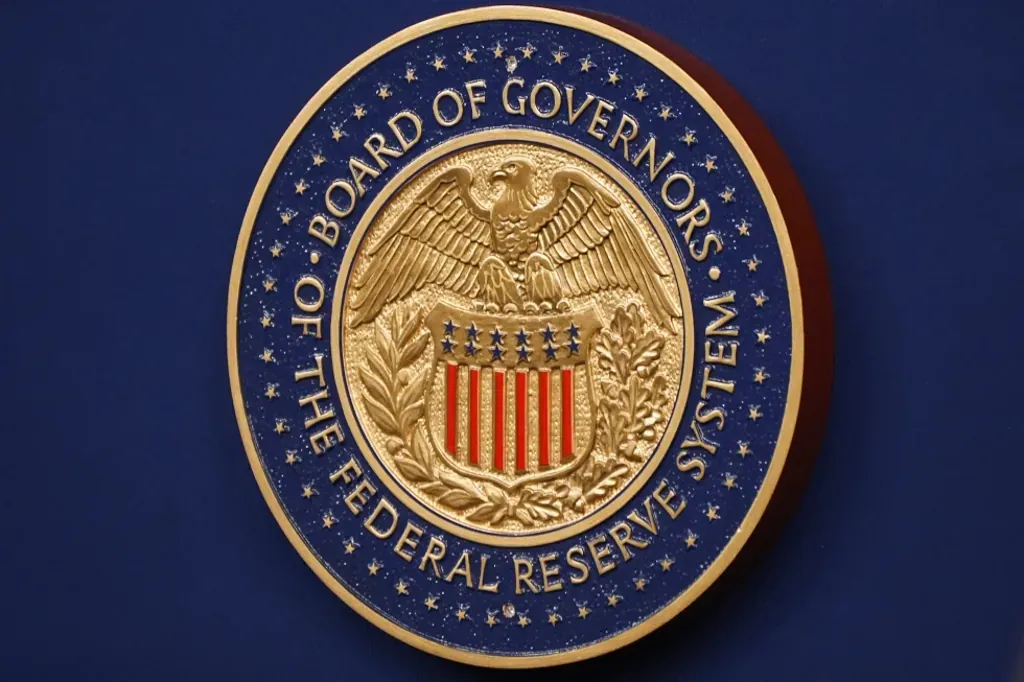
The administration has argued that the CFPB may only receive funding from the Federal Reserve’s “combined earnings,” language used in the statute. Because the Fed has recorded operating losses since 2022, officials contend there are no earnings available to transfer to the consumer bureau.
Those losses stem largely from the central bank’s aggressive interest rate increases aimed at controlling inflation. The Federal Reserve holds large quantities of low-yield bonds acquired during the pandemic while simultaneously paying higher interest to banks on reserves, creating a negative net income position.
The Democratic attorneys general reject the White House’s interpretation, arguing that Congress did not intend CFPB funding to depend on whether the Federal Reserve posts an accounting profit in a given year.
“We’re asking the court to order the Consumer Financial Protection Bureau to seek available funding and do its job,” California Attorney General Rob Bonta said during a press briefing announcing the lawsuit.
Legal and historical context
The phrase “combined earnings” has been part of Dodd-Frank since its passage more than a decade ago, but lawmakers and former policymakers involved in drafting the law have said it was not designed to require the Federal Reserve to be profitable before the CFPB could be funded.
Under the statute, the CFPB submits a funding request each year up to a capped percentage of the Fed’s operating expenses, not its profits. The states argue this structure was deliberately chosen to insulate consumer protection enforcement from political pressure.
A related legal challenge is already underway. The CFPB employees’ union has filed a separate lawsuit against Vought, also contesting the administration’s interpretation of the statute and warning that prolonged uncertainty could force layoffs and disrupt enforcement actions.
The states’ lawsuit builds on those arguments, asserting that the executive branch cannot unilaterally decide which congressionally created agencies will function based on disputed readings of funding provisions.
Impact on states and consumers
The attorneys general emphasize that the CFPB plays a critical role in sharing consumer complaint data with state regulators, enabling coordinated enforcement against fraudulent lenders, debt collectors, and financial scams.
If the bureau ceases operations or significantly scales back, the states argue they will lose a key federal partner in policing financial misconduct.
“Defunding the Consumer Financial Protection Bureau will make it harder to stop predatory lenders, scammers, and other bad actors from taking advantage of New Yorkers,” New York Attorney General Letitia James said in a statement.
The lawsuit contends that the CFPB is legally required to carry out these functions and that blocking its funding effectively prevents it from meeting its statutory obligations.
Administration response and next steps
A spokesperson for Vought did not respond to a request for comment on the lawsuit. The White House has previously maintained that its position reflects a straightforward reading of Dodd-Frank’s text and that any funding questions should be resolved by Congress or the courts.
Legal experts say the case could have broad implications for the independence of federal agencies funded outside the annual appropriations process, including the Federal Reserve itself.
For now, the states are seeking a court order that would require the CFPB to access available funding and continue normal operations while the legal dispute is resolved.
As the case moves forward, the outcome may help clarify how far an administration can go in limiting the operations of an agency created by Congress, particularly when funding mechanisms collide with shifting economic conditions.
This article was rewritten by JournosNews.com based on verified reporting from trusted sources. The content has been independently reviewed, fact-checked, and edited for accuracy, neutrality, tone, and global readability in accordance with Google News and AdSense standards.
All opinions, quotes, or statements from contributors, experts, or sourced organizations do not necessarily reflect the views of JournosNews.com. JournosNews.com maintains full editorial independence from any external funders, sponsors, or organizations.
Stay informed with JournosNews.com — your trusted source for verified global reporting and in-depth analysis. Follow us on Google News, BlueSky, and X for real-time updates.