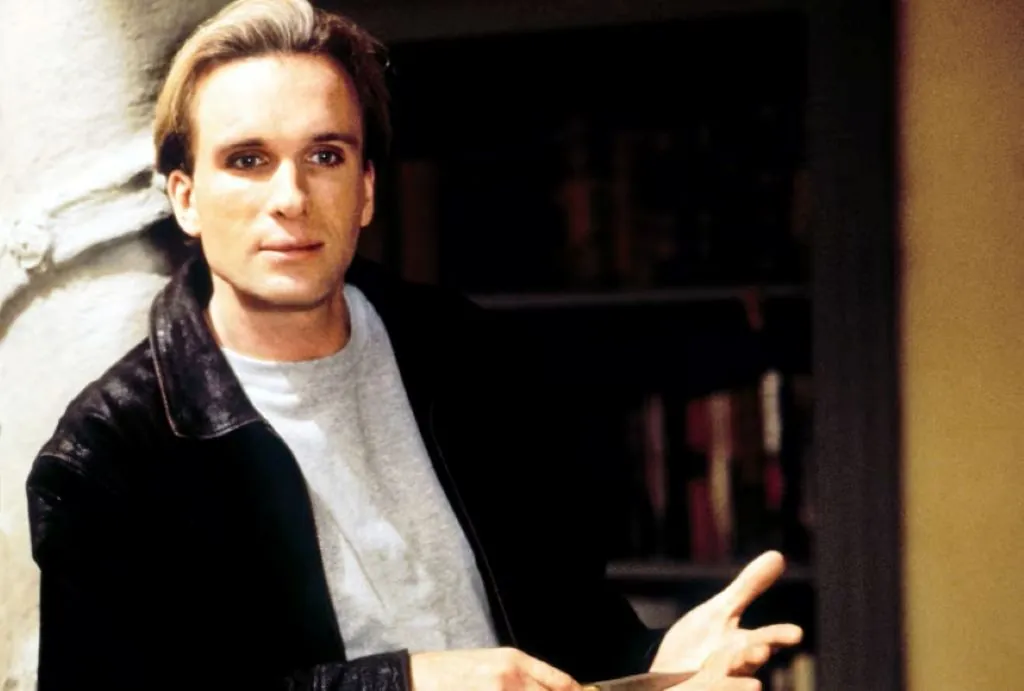
Peter Greene, a prolific character actor best known for his chilling performance as Zed in Quentin Tarantino’s Pulp Fiction, has died at the age of 60. His death was confirmed by his manager, who described Greene as a gifted performer and a widely respected presence in the film industry.
Peter Greene died at his home in New York City, according to his longtime manager Gregg Edwards, who confirmed the news on Friday. The cause of death was not immediately disclosed.
Greene carved out a distinctive career during the 1990s, a period marked by a resurgence of independent American cinema and the emergence of filmmakers who placed renewed emphasis on character-driven storytelling. Within that landscape, Greene became known for portraying unsettling, morally complex, and often dangerous figures, performances that left a lasting impression despite limited screen time.

“He was just a terrific guy,” Edwards said, remembering both Greene’s professional reputation and his personal warmth. He described Greene as one of the industry’s most accomplished character actors, noting that he worked with a wide range of filmmakers and performers across genres.
From New Jersey Roots to Independent Film Breakthroughs
Born in Montclair, New Jersey, Greene developed an interest in acting at a time when independent filmmaking was gaining new momentum in the United States. His early career reflected that shift, with roles that favored psychological depth over conventional stardom.
One of his earliest leading roles came in Laws of Gravity (1992), an independent crime drama that explored the intersecting lives of small-time criminals in New York City. The film, while modest in scale, helped establish Greene as an actor capable of carrying complex material and inhabiting morally ambiguous characters.
That reputation deepened with Clean, Shaven (1993), a psychologically demanding drama in which Greene portrayed a man struggling with severe mental illness while searching for his daughter. The performance drew attention for its intensity and emotional commitment, further solidifying Greene’s standing within independent film circles. Critics at the time frequently cited the role as evidence of his willingness to take risks and engage with challenging subject matter.
Defining Roles in 1994’s Landmark Films
Greene’s career reached a wider audience in 1994, a pivotal year that placed him in two highly visible studio releases. His portrayal of Zed in Pulp Fiction remains his most widely recognized role. Although the character appeared in only a portion of the film, Greene’s performance contributed to one of the movie’s most disturbing and memorable sequences.
Pulp Fiction, directed by Quentin Tarantino, went on to become a cultural landmark, influencing filmmaking styles and narrative structures for years to come. Greene’s work as Zed exemplified how carefully crafted supporting performances could elevate ensemble storytelling, even in films dominated by marquee stars.
That same year, Greene appeared as another villain in The Mask, opposite Jim Carrey and Cameron Diaz. The contrast between the film’s comic tone and Greene’s menacing presence demonstrated his versatility and his ability to adapt to mainstream Hollywood productions without losing the intensity that defined his earlier work.
A Career Built on Character, Not Celebrity
Despite appearing in major films, Greene never pursued traditional leading-man status. Instead, he remained committed to character roles that allowed him to explore darker or unconventional aspects of human behavior. Industry observers often note that such actors form the backbone of both independent and studio filmmaking, providing texture and credibility to stories that rely on more than star power alone.
Throughout his career, Greene worked steadily in film and television, often gravitating toward projects that emphasized realism and emotional complexity. His performances reflected a broader trend in 1990s and early 2000s cinema, when audiences and filmmakers alike showed renewed interest in flawed, psychologically nuanced characters.
Colleagues frequently described Greene as professional and deeply engaged with his craft. Edwards, who had known him for more than a decade, emphasized that reputation, calling him “just the nicest man” and underscoring the contrast between the unsettling characters Greene often portrayed on screen and his off-screen demeanor.
Continuing Work Until His Final Days
According to Edwards, Greene remained professionally active until his death. At the time, he was involved in two projects, including work on a documentary examining the federal government’s withdrawal of funding from the U.S. Agency for International Development. The subject matter reflected Greene’s interest in socially and politically relevant themes, a focus that had surfaced periodically throughout his career.
While details of the projects were not fully released, Edwards said Greene remained engaged and enthusiastic about his work, underscoring a lifelong commitment to storytelling and performance.
Industry Reaction and Lasting Legacy
News of Greene’s death prompted reflections on the often-underappreciated role of character actors in shaping modern cinema. While rarely the focus of marketing campaigns or awards seasons, such performers frequently leave indelible marks on audiences through singular, emotionally resonant roles.
Greene’s work continues to be revisited by new generations of viewers discovering Pulp Fiction and other films from the era. His performances serve as reminders that even brief appearances, when executed with conviction and depth, can become central to a film’s lasting impact.
As filmmakers and fans reflect on his career, Greene is remembered not only for the intensity of his most famous roles, but also for his professionalism, generosity, and dedication to his craft. His death marks the loss of a performer whose contributions helped define a generation of American cinema.
This article was rewritten by JournosNews.com based on verified reporting from trusted sources. The content has been independently reviewed, fact-checked, and edited for accuracy, neutrality, tone, and global readability in accordance with Google News and AdSense standards.
All opinions, quotes, or statements from contributors, experts, or sourced organizations do not necessarily reflect the views of JournosNews.com. JournosNews.com maintains full editorial independence from any external funders, sponsors, or organizations.
Stay informed with JournosNews.com — your trusted source for verified global reporting and in-depth analysis. Follow us on Google News, BlueSky, and X for real-time updates.