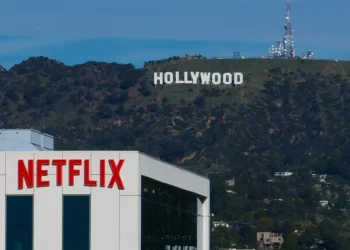
Netflix has agreed to acquire Warner Bros. from Warner Bros. Discovery (WBD) in a deal valued at $82.7 billion, marking one of the most consequential realignments in modern entertainment. The transaction, announced in California on December 5, brings under one roof a major Hollywood studio, HBO’s premium brand, and Netflix’s worldwide streaming infrastructure.
The agreement is expected to close after WBD completes the planned separation of its Global Networks division, Discovery Global, now scheduled for the third quarter of 2026. If finalized, the acquisition would reshape the entertainment landscape, combining one of the largest streaming platforms with one of the industry’s deepest content libraries.
Netflix and WBD—longtime competitors in the streaming wars—described the deal as a strategic alignment centered on scale, storytelling, and global reach. The companies highlighted expanded consumer choice, enhanced production capabilities, and long-term shareholder value as principal motivations.
A Strategic Shift in Global Entertainment
The Netflix Warner Bros Acquisition brings together two influential forces that helped define the streaming era. Netflix’s subscription platform currently reaches audiences across more than 190 countries. Warner Bros, with a studio heritage stretching back over a century, has been home to some of the most influential franchises in film and television.
The acquisition includes Warner Bros’ film and television studios, HBO and HBO Max, and its deep library of intellectual property. That encompasses classics such as Casablanca, Citizen Kane, The Wizard of Oz, and long-running hits like Friends, The Sopranos, The Big Bang Theory, and the Harry Potter and DC universes.
For Netflix, the move signals a deepening commitment to original programming and global distribution. Over the past decade, the company has expanded from licensed programming to large-scale international originals like Squid Game, Money Heist, Wednesday, and Bridgerton, building its reputation as a global entertainment hub.
By integrating Warner Bros’ legacy franchises, Netflix would significantly broaden its offerings while reinforcing its competitive position against rivals such as Disney, Amazon, Apple, and Paramount.
Leadership Views: A Vision of Consolidated Strength
Netflix co-CEOs Ted Sarandos and Greg Peters emphasized that the acquisition is designed to strengthen the company’s long-term creative and operational foundation.
Sarandos said the combination will “define the next century of storytelling,” noting the complementary strengths of Netflix’s distribution model and Warner Bros’ creative heritage. Peters described the deal as a “decades-long accelerant,” highlighting opportunities for member growth, enhanced engagement, and more robust streaming economics.
WBD CEO David Zaslav said joining with Netflix would give Warner Bros’ stories the widest possible audience. He characterized the move as an opportunity to preserve and extend Warner Bros’ artistic legacy while unlocking new global pathways for its content.
The transaction reflects broader industry trends toward consolidation. Major studios are increasingly aligning with global distribution platforms as traditional television revenues decline and streaming competition intensifies. Analysts have noted that companies with expansive libraries and scalable digital reach are best positioned to navigate the next phase of media competition.
Deal Structure and Expected Timeline
The agreement values WBD at $27.75 per share and includes a mix of cash and stock. Each WBD shareholder will receive $23.25 in cash and an additional $4.50 in Netflix stock, subject to a pricing collar tied to the company’s average share price before closing.
The acquisition is contingent on several factors, including the completion of WBD’s corporate restructuring. The company previously announced plans to divide its Streaming & Studios division and its Global Networks division into separate publicly traded entities. Discovery Global will retain CNN, TNT Sports, Discovery’s European channels, and digital platforms such as Discovery+ and Bleacher Report.
Following the separation, Netflix would acquire the newly structured Warner Bros studio and streaming assets.
The deal must also secure regulatory approval—a potentially complex process given its size, international footprint, and implications for competition in the streaming and studio markets. Both boards approved the transaction unanimously.
Netflix estimates the acquisition will generate between $2 billion and $3 billion in annual cost synergies by the third year and expects the deal to be accretive to earnings by year two.
What the Deal Means for Consumers and Creators
If approved, Netflix plans to maintain Warner Bros’ existing operations, including theatrical releases—a priority for filmmakers who value cinematic distribution.
For subscribers, the merger could lead to wider content selection and more flexible subscription plans. Netflix said it would integrate HBO and HBO Max programming, potentially offering bundled or tiered access to premium series.
The combined entity would boost Netflix’s U.S. production capacity and expand its investment in original content. Industry analysts believe this could spur new jobs in production, VFX, post-production, and global distribution.
The companies also described expanded opportunities for producers, writers, and directors. By merging Warner Bros’ intellectual property with Netflix’s global platform, creators may have broader opportunities to develop and distribute new stories.
Regulatory and Market Outlook
The Netflix Warner Bros Acquisition arrives during a period of heightened scrutiny of mergers, particularly in technology and media. Regulators in the U.S. and Europe are expected to examine potential impacts on consumer pricing, content diversity, and market concentration.
The entertainment landscape has already undergone sweeping consolidation over the past decade, including Disney’s acquisition of Fox, Amazon’s purchase of MGM, and the earlier merger of WarnerMedia with Discovery.
Market observers note that streaming remains an intensely competitive arena, with most platforms balancing rising content costs against shifting consumer habits. The proposed acquisition may offer Netflix greater scale as it pursues sustainable long-term growth.
This article was rewritten by JournosNews.com based on verified reporting from trusted sources. The content has been independently reviewed, fact-checked, and edited for accuracy, neutrality, tone, and global readability in accordance with Google News and AdSense standards.
All opinions, quotes, or statements from contributors, experts, or sourced organizations do not necessarily reflect the views of JournosNews.com. JournosNews.com maintains full editorial independence from any external funders, sponsors, or organizations.
Stay informed with JournosNews.com — your trusted source for verified global reporting and in-depth analysis. Follow us on Google News, BlueSky, and X for real-time updates.