UNITED NATIONS (Journos News) – The United States warned Iran that it is prepared to take unspecified action as the two adversaries confronted each other during an emergency meeting of the United Nations Security Council, convened amid reports of a deadly crackdown on nationwide protests inside Iran.
Speaking in New York, the U.S. ambassador accused Tehran’s leadership of responsibility for thousands of deaths linked to weeks of unrest, while Iranian officials rejected the allegations and blamed Washington for stoking instability. The rare face-to-face exchange underscored the fragility of the moment, even as U.S. President Donald Trump signaled that he was seeking to avoid further escalation.
The meeting brought diplomatic rhetoric, human rights testimony, and geopolitical caution into the same chamber, as regional powers privately urged restraint and international pressure on Iran continued to mount.

Security Council confrontation amid rising toll
The emergency session was requested by the United States following weeks of protests across Iran that activists say were met with lethal force. Addressing the council, U.S. Ambassador Mike Waltz said Washington would not rule out any response to what it described as mass killings of demonstrators.
“President Trump is a man of action,” Waltz told council members, adding that “all options are on the table” to stop what he called the “slaughter” of Iranian civilians. He warned Iran’s leadership that the United States was prepared to act, without specifying what measures might follow.
The comments came against a backdrop of mixed signals from Washington. While senior officials sharpened their public warnings, Trump suggested that the violence inside Iran appeared to be subsiding, raising the possibility of de-escalation after days of heightened tension.
According to a diplomat briefed on regional discussions, senior officials from Egypt, Oman, Saudi Arabia, and Qatar had spent the previous two days urging the White House to avoid military intervention. Those officials warned that a U.S. strike could destabilize the Middle East further and disrupt the global economy.
Iran rejects accusations, blames Washington
Iran’s deputy ambassador to the United Nations, Hossein Darzi, forcefully rejected the U.S. narrative, accusing Washington of direct interference in Iran’s internal affairs. He said the United States was attempting to cloak its actions in the language of human rights while laying the groundwork for political destabilization and possible military action.
Under what he called a “hollow pretext” of concern for the Iranian people, Darzi said, Washington was portraying itself as an ally of protesters while pursuing its own strategic agenda. Tehran has repeatedly denied responsibility for large-scale civilian casualties and has not released official figures related to the unrest.
Russia, a permanent member of the Security Council, was the only country during the meeting to openly defend Iran’s actions. Moscow called on the United States to stop what it described as interference, arguing that the situation inside Iran should be handled domestically.
Dissidents testify on abuses
In an unusual move, the United States invited two Iranian dissidents to address the council directly. Masih Alinejad, a prominent activist living in the United States, and Ahmad Batebi, a former political prisoner, both described alleged abuses by Iranian authorities.
Alinejad told the council she had survived multiple attempts on her life, including an incident outside her home in Brooklyn. She addressed the Iranian delegation directly, accusing Tehran of targeting her for assassination. Iranian officials did not respond to her remarks during the session.
In October, U.S. courts sentenced two men described as members of a Russian criminal network to lengthy prison terms for hiring a hit man to kill Alinejad, in a case U.S. authorities said was carried out on behalf of the Iranian government.
Batebi recounted his treatment in Iranian detention, describing beatings and torture that he said left lasting physical scars. He urged the Security Council and the international community to take stronger action to hold Iranian authorities accountable.
Both speakers appealed to Trump not to abandon protesters after encouraging public dissent, a plea that highlighted the risks faced by demonstrators once international attention fades.
Protests subside under security clampdown
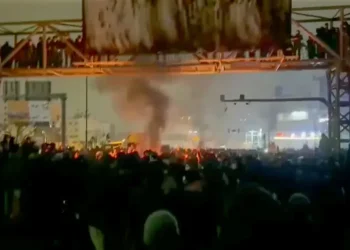
On the ground in Iran, visible signs of protest appeared to be diminishing by Thursday. Videos of demonstrations, which had circulated widely earlier in the unrest, largely stopped emerging from the country, a development activists attributed to heavy security deployments and sweeping restrictions on communications.
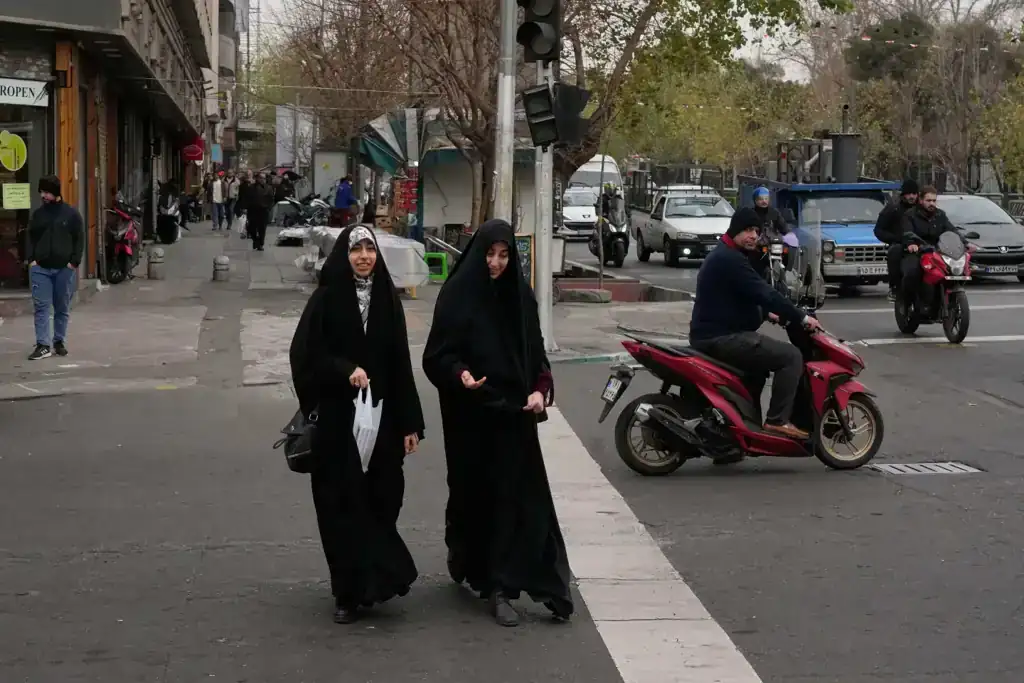
In Tehran, residents told reporters that streets showed few signs of overnight clashes, with no fresh debris or burned vehicles visible in the mornings. The sound of gunfire, previously reported during nighttime protests, had largely subsided.
Despite the apparent lull, an internet and communications blackout remained in effect in many areas, making independent verification difficult. Iran’s government has offered limited public information about security operations or casualties.
Death toll claims draw scrutiny
The U.S.-based Human Rights Activists News Agency reported that at least 2,677 people had been killed during the crackdown, an increase of more than 100 deaths from the previous day. If confirmed, the toll would mark the deadliest episode of unrest in Iran in decades, drawing comparisons to the turmoil surrounding the 1979 Islamic Revolution.
The organization, which has monitored previous protest movements, says it relies on a network of sources inside Iran to confirm fatalities. However, with access restricted, The Associated Press and other international media outlets have been unable to independently verify the figures.
Iranian authorities have not released official casualty numbers, and state media have downplayed the scale of the violence, instead emphasizing what officials describe as the restoration of order.
New sanctions widen international pressure
Alongside the Security Council meeting, Washington announced new sanctions targeting senior Iranian officials accused of directing or supporting the suppression of protests. Among those sanctioned was the secretary of Iran’s Supreme Council for National Security, whom the U.S. Treasury Department said had been among the first to call for violent measures.
The Group of Seven industrialized democracies and the European Union said they were also examining additional sanctions, signaling growing alignment among Western governments. The G7 warned that further measures could follow if Iran’s crackdown continued.
European Commission President Ursula von der Leyen said the EU was considering strengthening sanctions to increase pressure on Tehran, framing the move as part of a broader effort to support political change. Her comments underscored the widening diplomatic fallout from the unrest, even as major powers remained divided over how to respond.
For now, the confrontation at the United Nations reflected a familiar standoff: sharp rhetoric, competing narratives, and mounting pressure, with the risk that miscalculation could still tip an already volatile situation into a wider crisis.
This article was rewritten by JournosNews.com based on verified reporting from trusted sources. The content has been independently reviewed, fact-checked, and edited for accuracy, neutrality, tone, and global readability in accordance with Google News and AdSense standards.
All opinions, quotes, or statements from contributors, experts, or sourced organizations do not necessarily reflect the views of JournosNews.com. JournosNews.com maintains full editorial independence from any external funders, sponsors, or organizations.
Stay informed with JournosNews.com — your trusted source for verified global reporting and in-depth analysis. Follow us on Google News, BlueSky, and X for real-time updates.