The United States will suspend the processing of immigrant visas for citizens of 75 countries beginning Jan. 21, citing concerns that applicants could rely on public assistance after entering the country. The decision, announced by the State Department, builds on existing immigration restrictions under President Donald Trump’s administration and applies only to permanent immigration pathways, not temporary travel.
Decision tied to “public charge” guidance
The State Department said consular officers worldwide have been instructed to halt immigrant visa applications from the affected countries while immigration screening procedures are reassessed. The directive follows guidance issued in November that expanded scrutiny of applicants deemed at risk of becoming a “public charge,” a legal term referring to reliance on government-funded benefits.
In a statement, the department said the administration is seeking to prevent misuse of the U.S. immigration system and ensure that new arrivals are financially self-sufficient. Officials described the suspension as temporary, pending a broader review of visa processing standards.

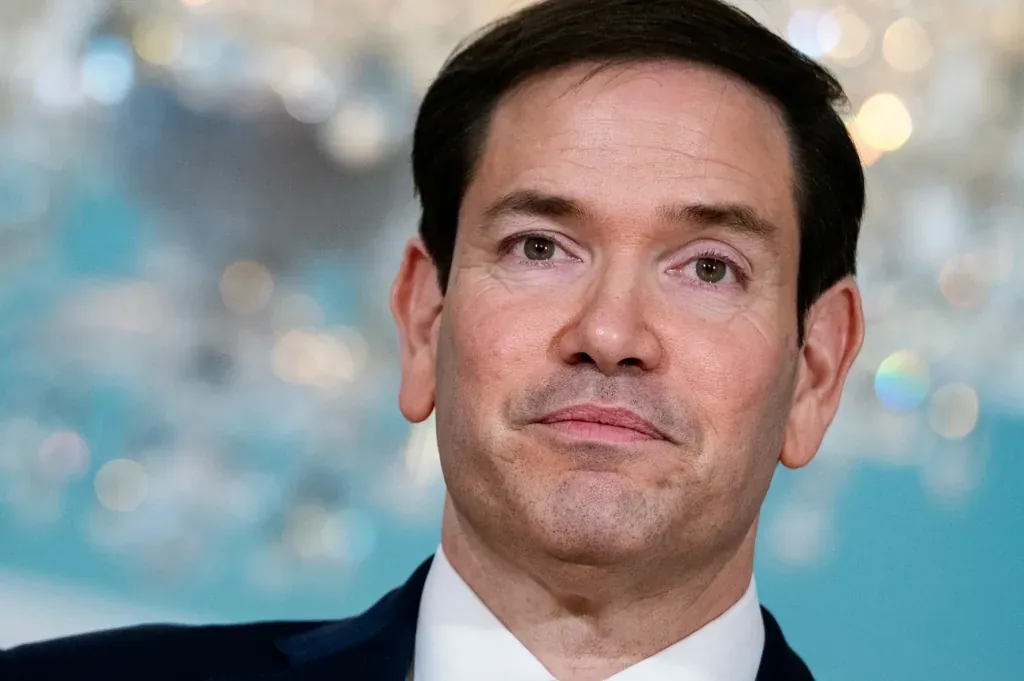
Secretary of State Marco Rubio, who leads the department, approved the move as part of a wider effort by the administration to tighten eligibility standards for permanent immigration.
Scope of the suspension
The pause applies only to immigrant visas, which are used by people seeking to live permanently in the United States. It does not affect non-immigrant visas, such as those for tourism, business travel, study, or temporary work. Non-immigrant visas account for the majority of U.S. visa issuances each year.
Officials expect demand for temporary visas to rise in the coming years, particularly as the United States prepares to host or co-host major international events, including the 2026 FIFA World Cup and the 2028 Summer Olympics.
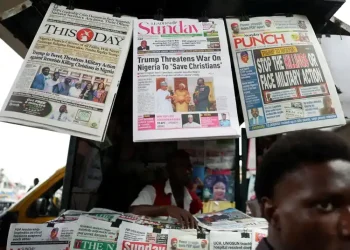
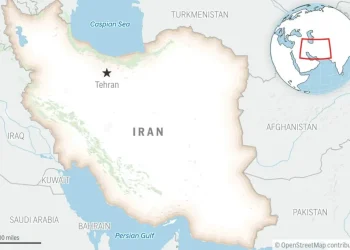
The 75 countries named span multiple regions, including parts of Africa, Asia, the Middle East, Europe, Latin America, and the Caribbean. Among them are Afghanistan, Iran, Russia, Somalia, Haiti, Nigeria, Pakistan, Bangladesh, Cuba, Syria, and Venezuela.
Additional scrutiny for temporary visitors
In a separate internal notice sent to U.S. embassies and consulates earlier this week, consular officers were instructed to more closely screen non-immigrant visa applicants for the possibility that they might seek public benefits while in the United States.
The cable, obtained by the Associated Press, emphasized that applicants bear the burden of proving they are financially capable of supporting themselves during their stay. Officers who suspect an applicant could rely on public assistance were told to require additional documentation demonstrating financial resources.
The notice cited what it described as widespread public benefits fraud in the United States and said the administration is prioritizing prevention efforts. While the guidance does not suspend non-immigrant visas, it signals a stricter interpretation of eligibility standards for temporary entry as well.
Expanded criteria for visa officers
Federal law has long required immigrants seeking permanent residence to show they are unlikely to become a public charge. During Trump’s first term, the administration broadened the definition of disqualifying benefits, a move that was challenged in court and later revised under subsequent administrations.
The November guidance referenced in the latest decision appears to go further by directing consular officers to evaluate a wide range of personal and socioeconomic factors. These include an applicant’s age, health, family situation, education, job skills, financial assets, and any past use of public assistance, regardless of country of origin.
Applicants’ English proficiency is also listed as a factor, with officers permitted to conduct interviews in English to assess language ability. Immigrant visa applicants are already required to undergo medical examinations, vaccination checks, and background screening for communicable diseases, substance abuse history, mental health conditions, and past criminal conduct.
Experts have previously warned that broader application of public charge criteria could significantly reduce the number of people eligible for permanent immigration, particularly from lower-income countries.
Part of broader immigration restrictions
The suspension adds to a series of immigration and travel-related measures introduced since Trump returned to office. The administration has already restricted or banned certain forms of entry for citizens of nearly 40 countries, citing national security, fraud prevention, and public benefit concerns.
Many of the affected nations are in Africa, Asia, and Latin America, regions that historically account for a significant share of family-based and diversity-based immigration to the United States.
While the State Department has not provided a timeline for when immigrant visa processing might resume for the 75 countries, officials said the pause will remain in effect until revised screening procedures are finalized.
Countries affected by the suspension
The countries named by the State Department are:
Afghanistan, Albania, Algeria, Antigua and Barbuda, Armenia, Azerbaijan, Bahamas, Bangladesh, Barbados, Belarus, Belize, Bhutan, Bosnia, Brazil, Burma, Cambodia, Cameroon, Cape Verde, Colombia, Congo, Cuba, Dominica, Egypt, Eritrea, Ethiopia, Fiji, Gambia, Georgia, Ghana, Grenada, Guatemala, Guinea, Haiti, Iran, Iraq, Ivory Coast, Jamaica, Jordan, Kazakhstan, Kosovo, Kuwait, Kyrgyzstan, Laos, Lebanon, Liberia, Libya, Macedonia, Moldova, Mongolia, Montenegro, Morocco, Nepal, Nicaragua, Nigeria, Pakistan, Republic of the Congo, Russia, Rwanda, Saint Kitts and Nevis, Saint Lucia, Saint Vincent and the Grenadines, Senegal, Sierra Leone, Somalia, South Sudan, Sudan, Syria, Tanzania, Thailand, Togo, Tunisia, Uganda, Uruguay, Uzbekistan, and Yemen.
This article was rewritten by JournosNews.com based on verified reporting from trusted sources. The content has been independently reviewed, fact-checked, and edited for accuracy, neutrality, tone, and global readability in accordance with Google News and AdSense standards.
All opinions, quotes, or statements from contributors, experts, or sourced organizations do not necessarily reflect the views of JournosNews.com. JournosNews.com maintains full editorial independence from any external funders, sponsors, or organizations.
Stay informed with JournosNews.com — your trusted source for verified global reporting and in-depth analysis. Follow us on Google News, BlueSky, and X for real-time updates.