U.S. President Donald Trump said he is inclined to keep ExxonMobil out of efforts to revive Venezuela’s oil industry, citing dissatisfaction with the company’s response during a White House meeting with energy executives. The remarks underscore tensions between the administration’s aggressive strategy to reshape Venezuela’s oil sector and lingering concerns from major U.S. companies about political risk and commercial uncertainty.
Trump criticizes ExxonMobil stance after executive meeting
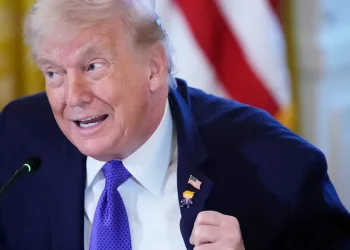
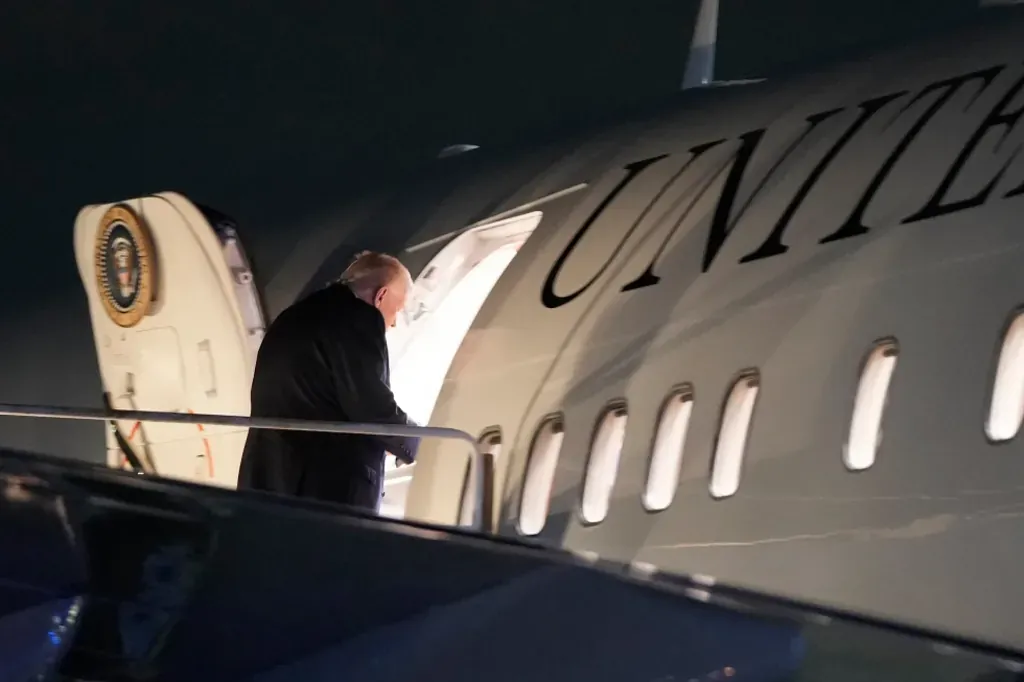
Speaking to reporters aboard Air Force One on Sunday as he departed West Palm Beach, Florida, Trump said he was unhappy with ExxonMobil’s position on investing in Venezuela following the removal of former President Nicolás Maduro.
“I didn’t like Exxon’s response,” Trump said. “They’re playing too cute.”

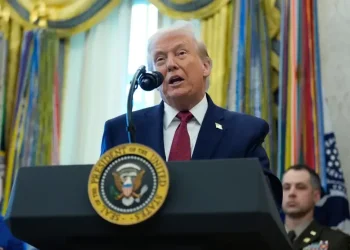
The comments followed a White House meeting on Friday between Trump and senior oil industry executives, where the administration sought to reassure companies that future investment in Venezuela would be structured through direct dealings with the U.S. government rather than Venezuelan authorities.
According to Trump, the goal was to reduce political and legal exposure for companies wary of operating in a country long affected by sanctions, asset seizures, and institutional instability. Despite those assurances, not all executives appeared convinced.
Exxon CEO raises concerns over investment conditions
At the meeting, ExxonMobil Chief Executive Darren Woods questioned whether current conditions in Venezuela support large-scale commercial investment.
“If we look at the commercial constructs and frameworks in place today in Venezuela, today it’s uninvestable,” Woods said.
ExxonMobil, the largest U.S. oil company, has extensive global operations but has not returned to Venezuela since exiting the country more than a decade ago amid disputes with the government and the nationalization of energy assets.
An ExxonMobil spokesperson did not immediately respond to a request for comment on Trump’s remarks.
Executive order seeks to shield Venezuelan oil revenue
The dispute comes as the Trump administration moves to tighten control over Venezuelan oil revenue as part of its broader strategy to stabilize the country’s economy under new leadership.
On Friday, Trump signed an executive order aimed at protecting Venezuelan oil proceeds from being seized in judicial proceedings. The order, made public Saturday, states that allowing such funds to be attached or redirected could “undermine critical U.S. efforts to ensure economic and political stability in Venezuela.”
The order reflects long-standing U.S. concerns about Venezuela’s legal exposure abroad, stemming from unpaid debts, arbitration claims, and a history of state asset seizures. International creditors have pursued Venezuelan assets for years, complicating efforts to manage oil revenues and reinvest them domestically.
Venezuela investment central to post-Maduro strategy
Rebuilding Venezuela’s oil infrastructure with the help of U.S. companies has emerged as a central priority of the Trump administration following Maduro’s capture. Venezuela holds some of the world’s largest proven oil reserves, but years of mismanagement, sanctions, and underinvestment have sharply reduced output.
Administration officials argue that restoring production is essential to economic recovery and long-term political stability. Trump has framed the effort largely in commercial terms, emphasizing control over oil sales and revenue flows rather than traditional foreign aid.
As part of that approach, Trump has authorized the seizure of tankers carrying Venezuelan oil and said the United States has assumed control over the sale of between 30 million and 50 million barrels of previously sanctioned crude. He has also indicated that Washington plans to oversee Venezuelan oil sales globally for the foreseeable future.
Industry caution highlights lingering risks
Despite the administration’s push, the response from major energy firms illustrates the challenges ahead. Oil companies typically require clear legal frameworks, predictable governance, and protection from expropriation before committing billions of dollars in long-term investments.
Venezuela’s recent history—marked by sanctions, currency controls, and abrupt policy shifts—continues to weigh heavily on corporate risk assessments, even as political conditions change.
Trump’s public criticism of ExxonMobil suggests the administration may favor companies more willing to align quickly with its strategy, potentially reshaping which firms play a role in Venezuela’s oil sector revival.
For now, the gap between Washington’s ambitions and industry caution remains unresolved, highlighting the complexities of rebuilding one of the world’s most resource-rich but economically damaged countries.
This article was rewritten by JournosNews.com based on verified reporting from trusted sources. The content has been independently reviewed, fact-checked, and edited for accuracy, neutrality, tone, and global readability in accordance with Google News and AdSense standards.
All opinions, quotes, or statements from contributors, experts, or sourced organizations do not necessarily reflect the views of JournosNews.com. JournosNews.com maintains full editorial independence from any external funders, sponsors, or organizations.
Stay informed with JournosNews.com — your trusted source for verified global reporting and in-depth analysis. Follow us on Google News, BlueSky, and X for real-time updates.