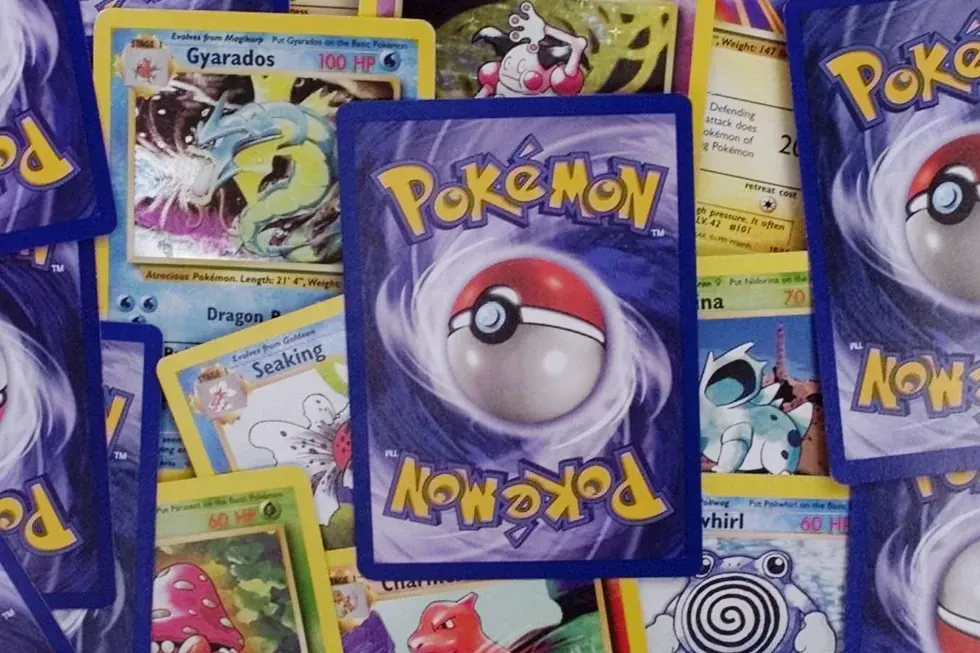
TOKYO (JN) – The Pokemon Company has canceled a planned children’s card game event at Tokyo’s Yasukuni Shrine and apologized after criticism from Chinese state media and online commentators. The company said it mistakenly posted the event notice on its official website and acknowledged the venue was inappropriate.
The decision came quickly as the story spread across Chinese social platforms and official outlets. What began as a small, privately arranged activity drew wider attention once the globally known brand appeared linked to one of Japan’s most sensitive historical sites.
The episode shows how cultural events can intersect with long-running historical disputes and current diplomatic strains between Japan and China.
The shrine’s historical weight and regional sensitivities
Yasukuni Shrine commemorates about 2.5 million Japanese war dead, including convicted World War II war criminals. Many in Japan regard it as a memorial for those who died in service. In China and the Koreas, the shrine represents what critics see as an incomplete reckoning with Japan’s wartime past.
Visits by Japanese politicians have repeatedly prompted protests from Beijing and Seoul. The issue returns often in regional diplomacy and media coverage.
A certified Pokemon card player organized the Saturday event as a children’s activity. Attention grew after details appeared on The Pokemon Company’s website, linking the brand to the shrine.
Chinese media reaction and online response
Chinese state media reacted sharply after the notice circulated online. Commentaries cited strong reactions on social media, where topics tied to Japan’s wartime history draw sustained interest.
On Weibo, the People’s Daily wrote that “brands that disregard history and hurt the feelings of the Chinese people will ultimately be abandoned by the market.” It urged companies to “take social responsibility and not make light of the heavy weight of history in the name of entertainment.”
China tightly regulates online discourse. Coverage in official and semi-official outlets can quickly elevate issues tied to historical memory.
The Pokemon Company’s apology and explanation
The Pokemon Company, affiliated with Nintendo, issued apologies in Japanese and Chinese. It said a private organizer planned the event and that staff posted the notice in error.
“It was an event that should not have been held to begin with,” the statement said. The company added that it shared the notice “by mistake because of the lack of our understanding.”
The company removed the information and confirmed the cancellation. Citing its motto of “connecting the world with Pokemon,” it pledged to act with greater care.
Cultural brands navigating political fault lines
Global brands often operate across borders where history and identity shape public reaction. Games, films, and consumer products travel easily, but their settings and associations can carry different meanings abroad.
Here, a children’s card game took on political weight because of the venue. The speed of the backlash showed how closely such symbols are watched.
For companies with international audiences, the incident underscores the need to assess how locations may be perceived beyond domestic contexts.
Broader Japan–China tensions in the background
The controversy unfolded amid strained ties between Tokyo and Beijing. Tensions rose after Japanese Prime Minister Sanae Takaichi said in November that Japan could become involved if China took military action against Taiwan, which Beijing claims.
China responded with diplomatic and economic measures that further cooled relations.
Takaichi previously visited Yasukuni Shrine regularly but has not prayed there since taking office in October. Even so, the shrine remains a charged symbol in regional diplomacy.
History’s enduring role in present-day affairs
The Pokemon card event was small in scale, but the reaction highlighted how World War II history continues to shape sentiment and policy in East Asia.
For The Pokemon Company, the episode served as a reminder that entertainment activities can carry unintended meaning when tied to sensitive sites. For observers, it showed how quickly local plans can draw international scrutiny in a connected media environment.
decades after the conflict ended.
For The Pokemon Company, the incident has become a reminder that even entertainment activities can be viewed through a political and historical lens when they intersect with sensitive symbols. For observers, it shows how quickly local actions can resonate internationally in a digitally connected world.
This article was rewritten by JournosNews.com based on verified reporting from trusted sources. The content has been independently reviewed, fact-checked, and edited for accuracy, neutrality, tone, and global readability in accordance with Google News and AdSense standards.
All opinions, quotes, or statements from contributors, experts, or sourced organizations do not necessarily reflect the views of JournosNews.com. JournosNews.com maintains full editorial independence from any external funders, sponsors, or organizations.
Stay informed with JournosNews.com — your trusted source for verified global reporting and in-depth analysis. Follow us on Google News, BlueSky, and X for real-time updates.