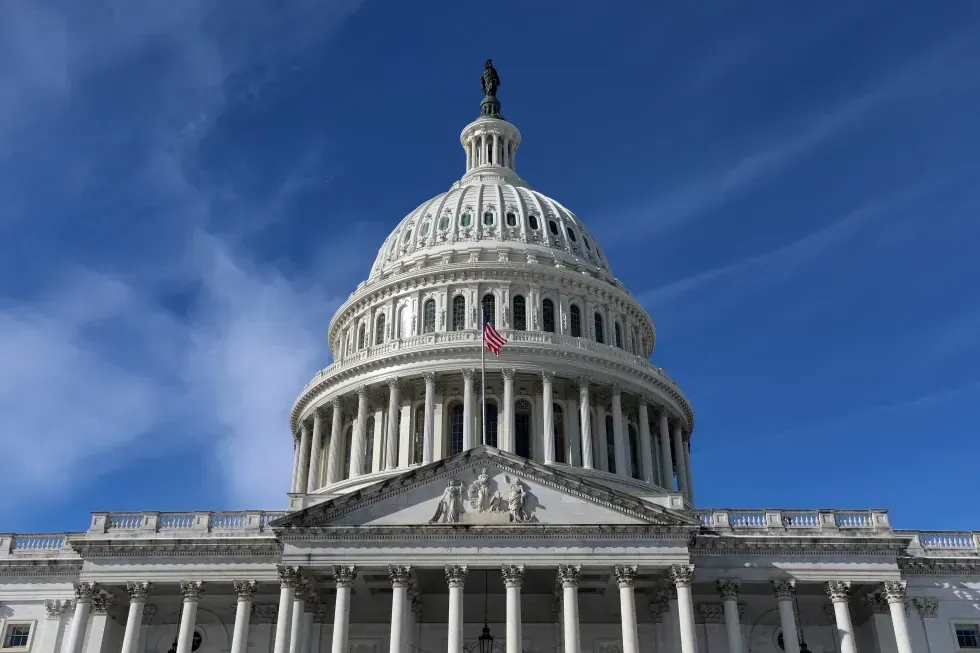
WASHINGTON (JN) – A partial U.S. government shutdown began Saturday after the House of Representatives adjourned without passing a Senate-approved funding package, causing a temporary lapse for several federal departments. Lawmakers are expected to return Monday to attempt swift passage of the measure, which could end the disruption within days.
Unlike the record-setting closure last fall, much of the government is already funded through the end of the fiscal year, limiting the scope of the current shutdown. Still, critical agencies including the Pentagon, the Department of Homeland Security, and the Department of Transportation are operating under contingency plans that could affect workers and selected services if the impasse extends.
The situation reflects how political disagreements tied to a recent high-profile law enforcement incident reshaped an otherwise routine appropriations process, forcing Congress into a short-term standoff with visible but potentially short-lived consequences.
Why this shutdown is different from the last one
Congress has already passed roughly half of the annual funding bills for the current fiscal year. That means many large departments and programs—including food assistance and agricultural services—remain fully funded through Sept. 30.
This sharply contrasts with the 43-day shutdown last fall, when broader funding gaps disrupted services across multiple agencies and placed pressure on programs serving vulnerable Americans. In the current case, the interruption is narrower and may prove brief if the House quickly approves the Senate’s package.
The expectation on Capitol Hill is that this lapse could resemble past weekend shutdowns that ended before most Americans noticed any practical impact.
What triggered the latest funding dispute
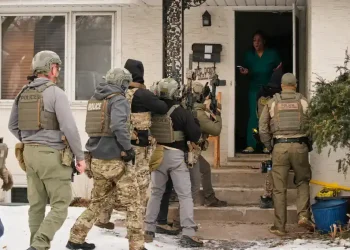
Until recently, the appropriations process had progressed with bipartisan cooperation in both chambers. That changed after the fatal shootings of two U.S. citizens, Alex Pretti and Renée Good, by federal agents in Minneapolis earlier this month.
Democrats demanded that the Department of Homeland Security (DHS) funding bill be removed from the broader package unless it included provisions related to immigration enforcement oversight, including a code of conduct for federal agents and requirements for officers to display identification.
In response, the White House reached a temporary agreement with Democrats to fund DHS at current levels for two weeks while negotiations continue. The Senate passed a five-bill funding package Friday reflecting that compromise, but because the House had already adjourned, it could not approve the measure before funding expired.
Partial government shutdown: Which agencies are affected
The funding lapse primarily affects:
-
The Department of Defense (Pentagon)
-
The Department of Homeland Security, including FEMA
-
The Department of Transportation, including air traffic control oversight
Under shutdown procedures, “essential” personnel continue working, but they do so without pay until legislation is enacted. Other employees may be furloughed if the shutdown continues.
At the Pentagon, military operations continue, but civilian defense workers could face delayed paychecks.
At the Transportation Department, the situation carries particular sensitivity for travelers. Air traffic controllers remain on duty, but like in previous shutdowns, prolonged unpaid work could raise concerns about staffing and operational strain if the impasse lasts.
FEMA and disaster response during the shutdown
The Federal Emergency Management Agency (FEMA), part of DHS, is operating with available funds estimated at $7 billion to $8 billion for disaster response and recovery.
Experts say this should be sufficient to manage the ongoing winter storm affecting large parts of the country. However, if the shutdown stretches on or if additional disasters occur, the pressure on FEMA’s resources could increase.
Other FEMA-related services would pause, as they did during previous shutdowns. This includes the ability to write or renew policies under the National Flood Insurance Program, an issue that affected homeowners during the prior extended closure.
What happens to passports, visas, and embassies
The State Department is largely insulated from the shutdown’s immediate effects.
According to internal guidance sent to staff, passport and visa services will continue, and U.S. embassies and consulates abroad remain open. Of the department’s more than 27,000 American direct-hire employees, nearly 19,000 are exempt from furlough.
Some nonessential functions—such as certain website updates and nonemergency consular notifications—may be delayed, but the general public in the U.S. and abroad is unlikely to see major disruption.
Why SNAP, WIC, and food aid are not affected
One of the most significant differences from the fall shutdown is that major nutrition assistance programs are fully funded for the year.
The Department of Agriculture and its programs, including the Supplemental Nutrition Assistance Program (SNAP) and the Women, Infants, and Children (WIC) program, were funded through Sept. 30 as part of the deal that ended the last shutdown.
That means:
-
SNAP benefits continue without interruption for roughly 42 million Americans
-
Recipients will continue receiving about $190 per person monthly on average
-
WIC services for pregnant women and young children remain fully operational
During the previous shutdown, SNAP funding became uncertain in the final weeks, raising alarm among low-income households. That concern does not apply this time.
How previous short shutdowns unfolded
Brief shutdowns are not unusual in Washington and often occur when funding expires over a weekend.
In January 2018, a dispute over immigration protections led to a weekend shutdown that ended before most Americans noticed any disruption. Federal offices reopened the following Monday after a deal was reached.
In February 2018, funding lapsed for about nine hours overnight—the shortest shutdown in U.S. history. Agencies technically shut down, but the duration was so brief that furlough notices were not widely issued and services were unaffected during business hours.
Lawmakers appear to be aiming for a similarly swift resolution now.
What to watch when lawmakers return Monday
The House is expected to take up the Senate-passed package immediately. If approved, funding would be restored and employees would receive back pay, as is standard practice after shutdowns.
The key uncertainty is whether disagreements over DHS oversight provisions resurface during debate. If those talks stall, what began as a short lapse could stretch longer than expected, placing increasing strain on affected agencies and workers.
For now, the shutdown remains limited in scope, but its duration will determine how visible its effects become to the public.
This article was rewritten by JournosNews.com based on verified reporting from trusted sources. The content has been independently reviewed, fact-checked, and edited for accuracy, neutrality, tone, and global readability in accordance with Google News and AdSense standards.
All opinions, quotes, or statements from contributors, experts, or sourced organizations do not necessarily reflect the views of JournosNews.com. JournosNews.com maintains full editorial independence from any external funders, sponsors, or organizations.
Stay informed with JournosNews.com — your trusted source for verified global reporting and in-depth analysis. Follow us on Google News, BlueSky, and X for real-time updates.