The Academy Awards nominations unveiled on Thursday delivered the usual mix of validation and disappointment, but this year’s list stood out for the scale of its omissions. Several performances and films widely considered strong contenders were left off the ballot, underscoring the limits of the Academy’s voting process in an especially crowded year for cinema.
While some exclusions were anticipated after mixed critical receptions or quieter campaigns, others came as genuine surprises, particularly in the acting and directing categories. At the same time, a few long-overdue nominations suggested that space created by those snubs allowed new or previously overlooked names to break through.
High-profile performances left behind
Among the most talked-about omissions was Ariana Grande, who failed to secure a supporting actress nomination for Wicked: For Good. The sequel to Wicked, which earned 10 nominations for its first installment last year, was shut out entirely this time. Although the follow-up drew a more muted critical response, Grande had been widely expected to repeat her awards success for her portrayal of Glinda. The film also missed out on nominations in technical categories and original song, despite expanded eligibility in that field.
Paul Mescal was another notable absence. His performance as William Shakespeare in Hamnet, centered on grief and loss, had positioned him as a likely best actor nominee. Mescal was previously nominated in 2023 for Aftersun, and his omission this year was viewed as one of the morning’s clearest upsets.
Amanda Seyfried also failed to make the cut for best actress for her role in The Testament of Ann Lee. Her portrayal of the Shakers’ founder had drawn praise for its intensity and emotional range. With only one prior nomination, for Mank, Seyfried’s continued absence from major awards recognition has drawn renewed attention.
Directing and international cinema oversights
In the directing category, Guillermo del Toro’s exclusion for Frankenstein stood out. The film earned nine nominations overall, yet del Toro—an Academy favorite and three-time Oscar winner—was not among the directors recognized. Instead, the Academy opted for Joachim Trier for Sentimental Value. Del Toro has been nominated for best director only once before, winning for The Shape of Water.
International cinema also saw notable gaps. Iranian filmmaker Jafar Panahi received nominations for original screenplay and international feature for It Was Just an Accident, but was overlooked for best picture and best director. Panahi’s work carries particular weight given his ongoing legal persecution in Iran, where he has faced imprisonment and travel bans. His exclusion from the top categories was widely viewed as a missed opportunity to recognize both artistic achievement and personal risk.
Animation and genre films still face hurdles
The animation category again highlighted the Academy’s uneasy relationship with global and genre-driven hits. Demon Slayer: Kimetsu no Yaiba – Infinity Castle, which has grossed more than $722 million worldwide, was not nominated, continuing a long pattern of anime films being overlooked despite commercial success and critical acclaim.
Horror, however, saw a partial breakthrough. While Weapons did not dominate the nominations, Amy Madigan earned a supporting actress nod for her performance, marking one of the genre’s rare acting recognitions by the Academy.
Breakthroughs and unexpected inclusions
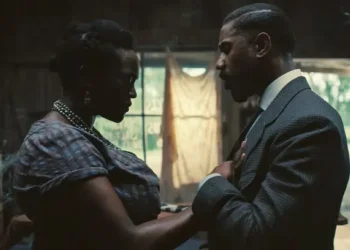
The morning was not without positive surprises. Delroy Lindo received his first-ever Oscar nomination for supporting actor for Sinners, a milestone after decades of acclaimed work. His performance as blues musician Delta Slim was widely praised, and his inclusion was seen as long overdue.
Kate Hudson also secured a best actress nomination for Song Sung Blue, her first acting nod in 25 years since Almost Famous. Her portrayal of a Neil Diamond tribute performer gained momentum through a sustained campaign and industry support, ultimately paying off on nomination morning.
In best picture, Apple’s Formula One drama F1 emerged as an unexpected contender. While commercially successful, it had not consistently appeared on awards prediction lists, making its inclusion one of the day’s quieter surprises.
Films that fell completely out of the race
Several high-profile projects failed to receive any nominations at all. Noah Baumbach’s Jay Kelly, once seen as a potential awards favorite, was shut out despite positive reactions to Adam Sandler’s performance and Nicholas Britell’s score. Its absence reflected how competitive this year’s field proved to be, even for traditionally Academy-friendly films.
A crowded year, familiar tensions
This year’s nominations reinforced long-standing debates about the Academy’s priorities, particularly its treatment of sequels, international filmmakers, animation, and genre cinema. With a limited number of slots and an unusually strong slate of releases, some omissions were inevitable. Still, the scale and profile of this year’s snubs suggest that critical acclaim and industry buzz remain no guarantee of recognition.
As the awards season moves toward its final stretch, attention will now shift from who was left out to how the nominated films and performances fare on Oscar night. But the conversation sparked by these omissions is likely to linger well beyond the ceremony itself.
This article was rewritten by JournosNews.com based on verified reporting from trusted sources. The content has been independently reviewed, fact-checked, and edited for accuracy, neutrality, tone, and global readability in accordance with Google News and AdSense standards.
All opinions, quotes, or statements from contributors, experts, or sourced organizations do not necessarily reflect the views of JournosNews.com. JournosNews.com maintains full editorial independence from any external funders, sponsors, or organizations.
Stay informed with JournosNews.com — your trusted source for verified global reporting and in-depth analysis. Follow us on Google News, BlueSky, and X for real-time updates.