The NBA’s 2026 trade deadline, set for February 5 at 3 p.m. ET, has emerged as a decisive moment for teams balancing immediate contention with long-term planning. Across multiple conferences, franchises have executed and explored high-profile trades, creating a ripple effect that may redefine playoff dynamics, salary-cap strategies, and roster construction for years to come.
This year’s cycle is marked by a mixture of veteran star movement and multi-asset rebuilds. The Los Angeles Clippers reportedly agreed to trade James Harden to the Cleveland Cavaliers for Darius Garland and a second-round pick, while the Memphis Grizzlies initiated a comprehensive restructuring, sending Jaren Jackson Jr. to the Utah Jazz in a complex eight-player deal. The Boston Celtics also bolstered their frontcourt by acquiring Nikola Vučević from the Chicago Bulls, further illustrating the strategic layering of veteran talent against emerging prospects.
These transactions underscore the divergent objectives of NBA franchises: some, like the Cavaliers and Celtics, aim to maximize short-term contention windows, whereas others, including the Grizzlies, prioritize future draft capital and financial flexibility. The deadline’s developments also signal the ongoing uncertainty surrounding marquee stars such as Giannis Antetokounmpo and Ja Morant, whose potential trades could catalyze further market activity.
Clippers-Cavaliers Swap: Harden for Garland
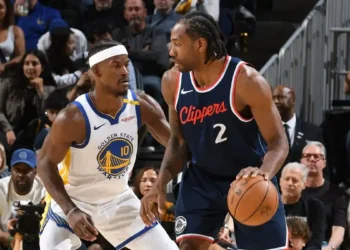
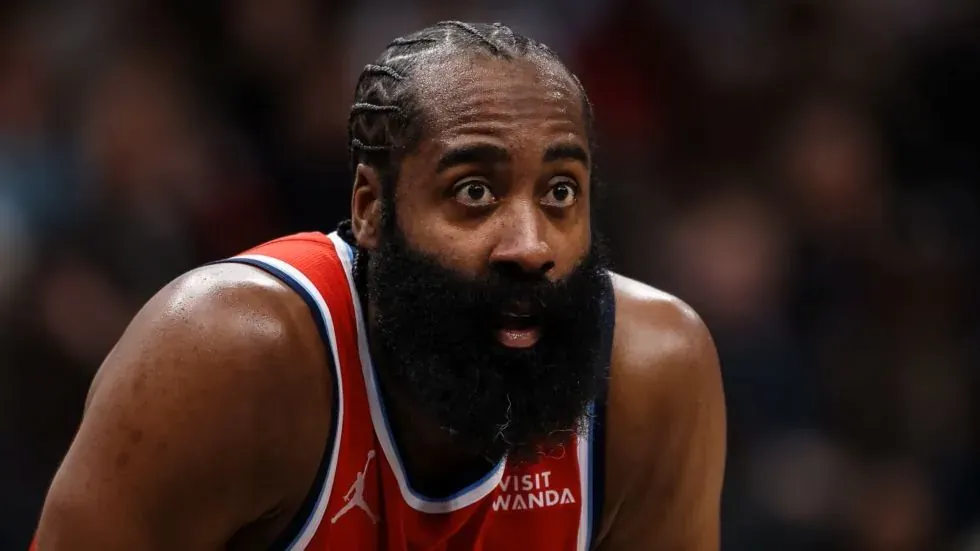
The reported exchange of James Harden for Darius Garland represents a nuanced strategic shift for both franchises. Harden, a 36-year-old former MVP averaging 25.4 points, 4.8 rebounds, and 8.1 assists per game, joins a Cavaliers roster seeking immediate Eastern Conference contention. The move pairs Harden with Donovan Mitchell and potentially Evan Mobley, providing Cleveland with a combination of high-volume scoring, playmaking, and postseason experience.
From a cap and asset perspective, the Clippers acquire Garland, a younger point guard with rising production and controllable contract terms, alongside a second-round pick. This suggests a longer-term orientation for Los Angeles, balancing the loss of a veteran facilitator with the acquisition of a potential cornerstone for the future. Analysts note, however, that integrating Harden into a roster with established primary ball-handlers may require careful distribution of offensive responsibilities, potentially affecting usage rates and on-court efficiency.
Grizzlies Rebuild Through Jackson Trade
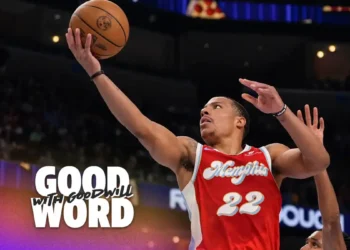
The Memphis Grizzlies’ decision to trade Jaren Jackson Jr., along with John Konchar, Jock Landale, and Vince Williams Jr., to the Utah Jazz reflects a deliberate pivot toward a multi-year rebuild. In return, Memphis receives Walter Clayton Jr., Kyle Anderson, Taylor Hendricks, Georges Niang, and three future first-round picks.
This trade illustrates a calculated approach: the Grizzlies are leveraging current roster assets to accumulate high-value draft capital while mitigating luxury tax obligations. Jackson’s departure, combined with the reported openness to move Ja Morant, signals a comprehensive recalibration of franchise direction. Notably, Morant’s injury history and contract considerations will likely shape the valuation of any potential trade, with teams like the Miami Heat and Minnesota Timberwolves reportedly monitoring developments closely.
Three-Team Swap: Bulls, Pistons, Timberwolves
The three-team transaction among the Chicago Bulls, Detroit Pistons, and Minnesota Timberwolves demonstrates how mid-tier teams can strategically navigate roster and salary constraints. Chicago acquires Jaden Ivey and Mike Conley Jr., reinforcing its backcourt depth. Detroit receives Kevin Huerter, Dario Šarić, and a protected first-round pick swap from Minnesota, balancing veteran presence with draft flexibility.
For the Timberwolves, the primary objective appears fiscal: the move reduces their luxury tax bill from $24 million to $3.8 million, placing them under the first apron. This positions Minnesota to pursue a high-profile target, such as Giannis Antetokounmpo, without exceeding league-imposed financial thresholds. The transaction highlights the interplay between competitive ambitions and cap management in modern NBA strategy.
Celtics Strengthen Frontcourt: Vučević Acquisition
Boston’s acquisition of Nikola Vučević from the Bulls for Anfernee Simons and a second-round pick addresses specific tactical objectives. Vučević, a seasoned center with facilitation and spacing abilities, offers head coach Joe Mazzulla additional lineup versatility, particularly with Jayson Tatum expected to return from injury.
The Celtics’ move signals a calculated approach to enhance interior scoring and rebounding while maintaining backcourt depth. Simons, a younger guard averaging 14.2 points per game off the bench, becomes expendable in the context of Boston’s broader roster composition. This trade exemplifies the value of targeted veteran additions in balancing immediate playoff prospects against developmental continuity.
Giannis Antetokounmpo: Trade Speculation and Strategic Implications
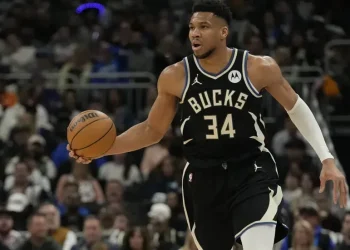
Perhaps the most consequential potential transaction centers on Giannis Antetokounmpo. Despite injuries and organizational frustrations in Milwaukee, the Bucks reportedly face no pressing urgency to trade the two-time MVP before the deadline, suggesting they may prioritize offseason discussions to maximize asset return.
Serious suitors for Giannis include the New York Knicks, Golden State Warriors, Miami Heat, and Minnesota Timberwolves. Each potential destination presents distinct strategic trade-offs. For instance, a Knicks acquisition would require significant salary and draft asset matching, but could catalyze a title-contending core centered on Giannis and Jalen Brunson. Minnesota’s pursuit, facilitated by cap space freed in the Bulls-Pistons-Wolves trade, illustrates how proactive financial management positions teams to act decisively on elite talent.
Broader Trade Market Dynamics
The 2026 deadline reflects both continuity and departure from previous cycles. Unlike the 2025 trade period, which was dominated by a blockbuster Luka Dončić move that reshaped multiple franchises’ trajectories, this year’s activity is more fragmented but no less impactful. Teams pursuing contention, such as Cleveland, Boston, and potentially Detroit, are willing to exchange youth or draft capital for established stars, whereas rebuilding franchises like Memphis prioritize asset accumulation and cap flexibility.
Additionally, player health and contract structures play increasingly pivotal roles in negotiations. Morant’s UCL injury, Harden’s remaining player option, and Vučević’s contract status all influence trade valuations. These factors underscore the multidimensional calculus teams must navigate: balancing immediate performance gains, long-term financial sustainability, and player development trajectories.
Implications for Playoff and Long-Term Strategy
The flurry of activity leading up to the deadline has several potential consequences for league dynamics. Eastern Conference teams like Cleveland and Boston may see enhanced short-term playoff viability, while Western contenders remain largely reactive pending future moves. The redistribution of veteran talent can also alter competitive balance, particularly if marquee players such as Giannis or Morant ultimately change teams.
Financially, several trades indicate a growing sophistication in managing luxury tax exposure and contract flexibility. Minnesota’s reduction of its tax burden, for instance, signals a willingness to sacrifice immediate roster value for long-term maneuverability—a strategy that may become increasingly common as high-salary stars dominate trade discussions.
Finally, these moves reflect the evolving calculus of player valuation in the NBA. Teams are increasingly weighing production metrics, contract length, injury risk, and positional fit simultaneously, highlighting a more analytical and multidimensional approach to roster construction than in previous decades.
In sum, the 2026 NBA trade deadline underscores the strategic duality facing franchises: the pursuit of immediate contention must be carefully balanced against financial prudence and long-term asset management. The ripple effects of trades involving Harden, Jackson, Vučević, and potential Giannis movements will likely shape playoff dynamics, salary-cap decisions, and competitive positioning well into the next several seasons.
This article was rewritten by JournosNews.com based on verified reporting from trusted sources. The content has been independently reviewed, fact-checked, and edited for accuracy, neutrality, tone, and global readability in accordance with Google News and AdSense standards.
All opinions, quotes, or statements from contributors, experts, or sourced organizations do not necessarily reflect the views of JournosNews.com. JournosNews.com maintains full editorial independence from any external funders, sponsors, or organizations.
Stay informed with JournosNews.com — your trusted source for verified global reporting and in-depth analysis. Follow us on Google News, BlueSky, and X for real-time updates.