DUBAI, United Arab Emirates (AP) – Iran’s nationwide protests have left at least 6,126 people dead, according to figures released Tuesday by a U.S.-based human rights group, marking what activists describe as the deadliest episode of unrest in the country in decades.
The updated toll comes as Iran continues an extensive security crackdown that has included mass arrests, lethal force against demonstrators and one of the most sweeping internet blackouts in the Islamic Republic’s history. The government disputes the figures, offering a significantly lower death count and blaming foreign-backed groups for the unrest.
The protests, which erupted late last month over Iran’s collapsing currency and deepening economic pressures, have also unfolded against a volatile regional backdrop. The arrival of a U.S. aircraft carrier strike group in the Middle East has underscored growing international concern, even as Washington and Tehran exchange sharp warnings and rhetoric.
Activists report thousands killed and tens of thousands detained
The U.S.-based Human Rights Activists News Agency (HRANA) said it had verified the deaths of at least 6,126 people through a network of contacts inside Iran. The group has previously provided figures broadly consistent with later independent assessments during earlier waves of unrest.
According to HRANA, those killed include at least 5,777 protesters, 214 members of government-affiliated security forces, 86 children and 49 civilians who were not taking part in demonstrations. The group also reported more than 41,800 arrests nationwide since the protests began.
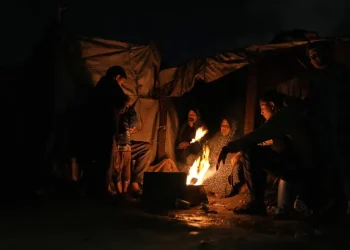
Iranian authorities have severely restricted access to information, including cutting internet service for more than two weeks and disrupting international phone connections. The Associated Press said it has been unable to independently verify the activists’ figures under those conditions.
The Iranian government has acknowledged far fewer deaths. Officials have put the toll at 3,117, saying 2,427 of those killed were civilians or security personnel, while labeling the remaining victims as “terrorists.” Rights groups and past reporting have accused Iranian authorities of undercounting casualties during periods of unrest.
If confirmed, the activists’ estimate would exceed death tolls from previous protest movements in recent decades and rival the violence seen during the turmoil surrounding Iran’s 1979 Islamic Revolution.
Protests spread rapidly amid economic strain
Demonstrations began on Dec. 28 after a sharp fall in the value of Iran’s currency, the rial, which has been battered by inflation, unemployment and years of international sanctions linked largely to Tehran’s nuclear program.
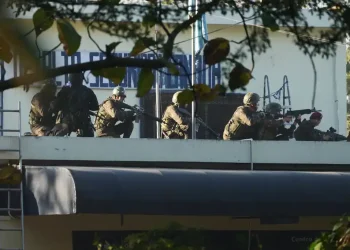
What started as localized protests over economic hardship quickly spread to cities and towns across the country. Security forces responded with live ammunition, mass detentions and an aggressive campaign to reassert control, according to rights groups and eyewitness accounts.
Iranian state media has blamed unrest on foreign interference, accusing hostile governments and exile groups of fomenting violence. At the same time, officials have struggled to address public anger over rising living costs and persistent shortages, which many analysts see as central drivers of the demonstrations.
At the United Nations, Iran’s ambassador Amir Saeid Iravani told the Security Council late Monday that repeated U.S. threats of military action were clear and deliberate. He accused Washington and Israel of supporting “armed terrorist groups” inside Iran, without providing evidence.
Regional tensions and U.S. military posture
The internal crisis has unfolded as regional tensions remain high following recent conflict involving Israel and Iran. The U.S. Navy confirmed the arrival of the USS Abraham Lincoln aircraft carrier and accompanying guided-missile destroyers in the Middle East, bolstering American military capabilities in the region.
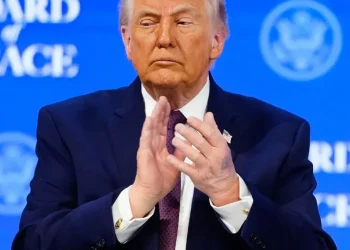
U.S. President Donald Trump has warned of possible military action if Iran carries out mass executions or continues the killing of peaceful protesters. Gulf Arab states that host U.S. forces have indicated they do not want to be drawn into any direct conflict with Tehran.
Iran has warned that any attack could escalate into a broader regional war, though analysts note that its military capabilities were strained following a June conflict with Israel, which included U.S. strikes on Iranian nuclear sites.
Iran-backed militias signal readiness but remain cautious
Several Iran-aligned militant groups have issued statements suggesting they could respond if Iran is attacked, though their positions appear measured compared with past crises.
Yemen’s Houthi rebels, backed by Tehran, warned they could resume attacks on shipping in the Red Sea and circulated footage this week from earlier strikes. In Iraq, Ahmad “Abu Hussein” al-Hamidawi, leader of the Kataib Hezbollah militia, said any war against Iran would not be “a picnic,” threatening severe consequences for Iran’s adversaries.
Lebanon’s Hezbollah, long considered Iran’s most powerful regional ally, stopped short of committing to military action. In a video address, Hezbollah leader Sheikh Naim Kassem said the group was preparing for “possible aggression” but stressed that any response would depend on circumstances and strategic interests at the time.
Observers say the relative caution reflects the weakened state of Iran’s so-called “Axis of Resistance,” a network of allied militias that has been under pressure following Israeli operations against Hamas in Gaza, Hezbollah positions in Lebanon, and other Iran-linked targets. The collapse of Syria’s longtime president Bashar Assad in 2024, after years of war in which Iran had invested heavily, has further altered the regional balance.
Uncertainty persists as information remains restricted
With internet access still heavily curtailed inside Iran, the full scale of casualties and detentions remains difficult to confirm. Rights groups warn that additional deaths may go unreported and that detainees face a high risk of abuse.
As protests continue sporadically despite the crackdown, Iran’s leadership faces a dual challenge: containing domestic unrest while navigating mounting international scrutiny and the risk of broader regional escalation. For now, the human toll of the unrest continues to rise largely out of public view.
This article was rewritten by JournosNews.com based on verified reporting from trusted sources. The content has been independently reviewed, fact-checked, and edited for accuracy, neutrality, tone, and global readability in accordance with Google News and AdSense standards.
All opinions, quotes, or statements from contributors, experts, or sourced organizations do not necessarily reflect the views of JournosNews.com. JournosNews.com maintains full editorial independence from any external funders, sponsors, or organizations.
Stay informed with JournosNews.com — your trusted source for verified global reporting and in-depth analysis. Follow us on Google News, BlueSky, and X for real-time updates.