NEW YORK (AP) – As bidets move from niche fixture to mainstream bathroom upgrade in the United States, doctors and environmental experts are weighing in on how they should be used — and for whom they make the most sense. The debate is less about preference and more about hygiene technique, skin health, and resource trade-offs.
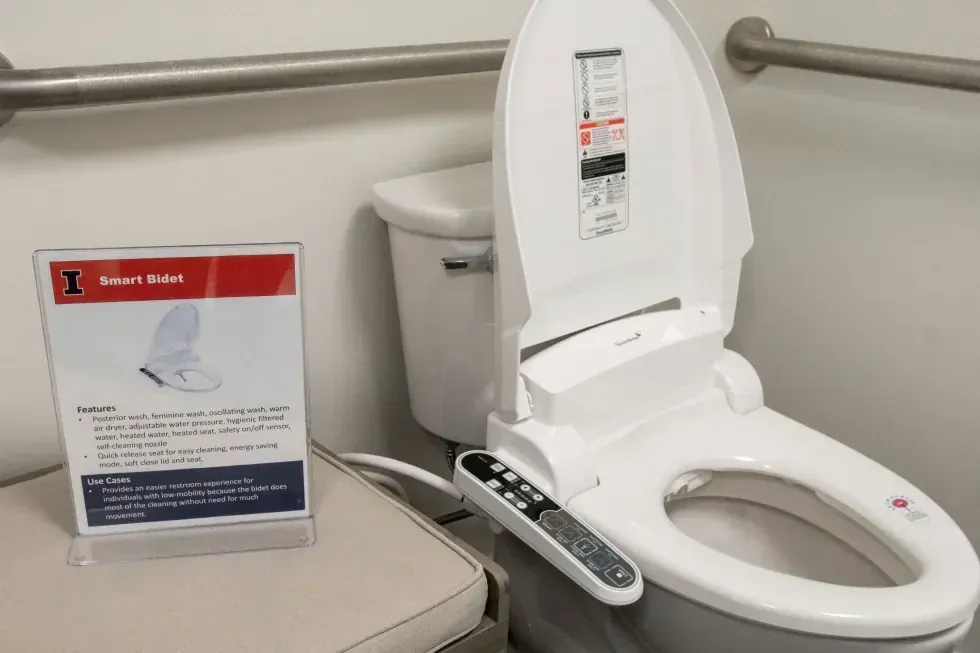
In recent years, bidets have shifted from a curiosity in American bathrooms to a product category that spans inexpensive attachments, handheld sprayers, and high-end smart toilets. The COVID-19 toilet paper shortages prompted many U.S. households to try them for the first time, while broader environmental awareness and falling prices have sustained interest. Even public officials have lent the topic visibility, reflecting how quickly bidets have entered mainstream conversation.
Yet the growing popularity of water-based cleansing raises questions that go beyond comfort. Medical professionals caution that bidets are neither universally beneficial nor risk-free. Environmental scientists, meanwhile, note that the sustainability case depends on where and how they are used. What emerges is not a simple endorsement of bidets over toilet paper, but a more nuanced assessment of hygiene practice, skin health, and resource use.
Why doctors are paying attention to bathroom habits
For physicians in colorectal surgery, dermatology, urology, and family medicine, how people clean themselves after using the toilet is not trivial. The perianal and genital regions involve delicate skin, natural bacterial environments, and, in many cases, underlying medical conditions.
Doctors often recommend bidets for patients recovering from surgery, living with hemorrhoids, experiencing chronic diarrhea, or managing limited mobility due to age or disability. In these contexts, wiping repeatedly with dry toilet paper can worsen irritation, prolong healing, or make independent hygiene difficult.
Dr. David Rivadeneira, a colorectal surgeon at Huntington Hospital in New York, advises patients to treat bidets as an external cleansing tool rather than an internal one. The devices are not meant to function like enemas, and attempts to inject water internally can create problems rather than solve them.
The key medical principle, he notes, is directional washing. Especially for women, rinsing should be done from front to back to prevent bacteria from the anal area from reaching the urethra. That mirrors longstanding advice for wiping technique but becomes particularly relevant with a pressurized water stream.
Technique matters more than the device
Medical professionals stress that proper bidet use is as important as the decision to use one at all.
Warm water at low pressure, used briefly, is generally recommended. Extreme temperatures or prolonged spraying can irritate the skin. Gentle soap may be used but is often unnecessary. After rinsing, drying remains essential — either with a small amount of toilet paper or a dedicated cotton towel — to prevent moisture buildup that can encourage yeast infections or skin irritation.
Maintenance of the device is another factor. Dr. Neal H. Patel, a family physician in California, advises regularly disinfecting the nozzle to prevent bacterial buildup. Unlike toilet paper, a bidet introduces a reusable surface into a highly bacteria-rich environment, making cleaning part of hygiene practice.
These considerations illustrate a broader point: the hygienic benefit of a bidet is not automatic. It depends on correct usage, regular maintenance, and attention to skin health.
Evidence on hygiene is suggestive, not definitive
Some studies have indicated that bidet users may have less bacteria on their hands compared with those who rely on toilet paper. Urogynecologist Dr. Danielle Antosh notes that while such findings are promising, research remains limited and does not yet provide definitive conclusions.
What doctors more readily agree on is the effect on skin. Toilet paper, especially dry or textured varieties, can be abrasive with repeated use. For individuals who require frequent cleaning — such as those with digestive disorders — water cleansing is typically less irritating.
Dermatologists from the University of Tennessee Health Science Center wrote in a 2023 editorial in the International Journal of Women’s Dermatology that colleagues should be aware of how common bidet use is globally and be comfortable recommending them when patients experience perianal skin conditions like eczema, psoriasis, or contact dermatitis.
In this context, the argument for bidets is less about superior cleanliness and more about reduced mechanical irritation.
When bidets can create new problems
Despite these benefits, doctors caution that excessive or improper bidet use can cause harm.
Reports from Japan — where bidets are standard — have documented cases of rashes and even bowel control issues linked to frequent or high-pressure cleansing. Dermatologists warn that individuals with genital eczema, psoriasis, ulcers, or postpartum sensitivity should be cautious, as water pressure can aggravate already compromised skin.
In such cases, moisturizing after use and reducing frequency may be advisable. Physicians also emphasize that persistent bleeding or pain should prompt medical evaluation rather than reliance on cleansing methods alone.
The pattern is consistent with many hygiene tools: more is not necessarily better, and individual conditions matter.
Accessibility and independence as overlooked factors
One aspect highlighted by dermatologists and caregivers is how bidets can enable people with physical limitations to manage personal hygiene independently.
For elderly individuals or those with disabilities, wiping can be physically difficult. Bidets reduce the need for twisting motions and fine motor control, potentially decreasing reliance on caregivers. Because caregiving work often falls disproportionately on women, this has social implications beyond personal comfort.
In this sense, the value of bidets extends into the domains of dignity, independence, and labor distribution within households.
The environmental argument is more complex than it appears
Environmental groups such as the Natural Resources Defense Council have recognized bidets as a way to reduce toilet paper consumption and the environmental impacts associated with tissue production, including deforestation, water use, and manufacturing emissions.
At first glance, replacing paper with water appears straightforwardly greener. But lifecycle analysis complicates the picture.
Gary Bull, a forestry professor emeritus at the University of British Columbia, notes that a full environmental assessment must consider the water and energy used to manufacture, power, and operate bidets, particularly high-end models with heated seats and water.
Andrea Hicks, a civil and environmental engineering professor at the University of Wisconsin, adds a geographic dimension. In water-stressed regions such as Arizona, the water consumption of a bidet may offset gains from reduced paper use. In regions where water is abundant, the balance may tilt in favor of bidets.
This suggests that sustainability claims depend heavily on local conditions and the type of device used. A simple, non-electric attachment has a different environmental footprint than a smart toilet with multiple electronic features.
Cost, culture, and normalization
Bidets have long been standard in countries such as Italy and Japan, where they are viewed as basic hygiene fixtures rather than luxury add-ons. In the United States, falling prices and attachment options have lowered barriers to entry, helping normalize their presence.
Social media demonstrations, do-it-yourself versions using bottles, and increasing mentions in public discourse indicate that bidets are moving from novelty to accepted alternative. This cultural shift parallels the growing willingness of doctors to discuss them openly with patients.
What the comparison ultimately shows
The evidence does not support framing the question as whether bidets are categorically better than toilet paper. Instead, it suggests that water-based cleansing can be advantageous for certain skin conditions, mobility limitations, and hygiene preferences — provided it is done correctly.
At the same time, misuse, overuse, or inappropriate water pressure can introduce new health issues. Environmentally, the calculus varies by device type and regional water availability.
The practical takeaway is conditional: bidets can be a useful hygiene tool, but their benefits depend on technique, maintenance, personal health circumstances, and environmental context.
Rather than replacing one practice with another, the discussion reflects how everyday hygiene choices intersect with medicine, sustainability, and social change.
This article was rewritten by JournosNews.com based on verified reporting from trusted sources. The content has been independently reviewed, fact-checked, and edited for accuracy, neutrality, tone, and global readability in accordance with Google News and AdSense standards.
All opinions, quotes, or statements from contributors, experts, or sourced organizations do not necessarily reflect the views of JournosNews.com. JournosNews.com maintains full editorial independence from any external funders, sponsors, or organizations.
Stay informed with JournosNews.com — your trusted source for verified global reporting and in-depth analysis. Follow us on Google News, BlueSky, and X for real-time updates.