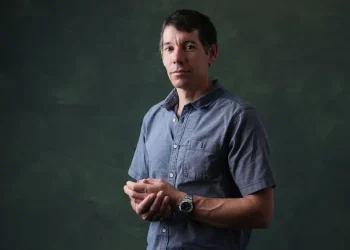
TAIPEI, Taiwan (AP) – American rock climber Alex Honnold completed a rope-free ascent of Taipei 101 on Sunday, climbing the 508-metre skyscraper without protective equipment in a highly controlled but visibly demanding free solo climb. The ascent, broadcast live with a short delay, drew crowds in central Taipei and global attention online.
The climb unfolded in full public view — a rare setting for a climber best known for remote, high-risk ascents in natural landscapes. For Honnold, whose reputation was built on silent, isolated routes, the vertical face of one of Asia’s most recognisable skyscrapers offered a different kind of exposure: technical, psychological, and public.
The climb marks the first confirmed rope-free ascent of Taipei 101, combining urban architecture with free solo climbing — a discipline traditionally associated with cliffs, mountains, and natural rock faces.
A public ascent above Taiwan’s capital
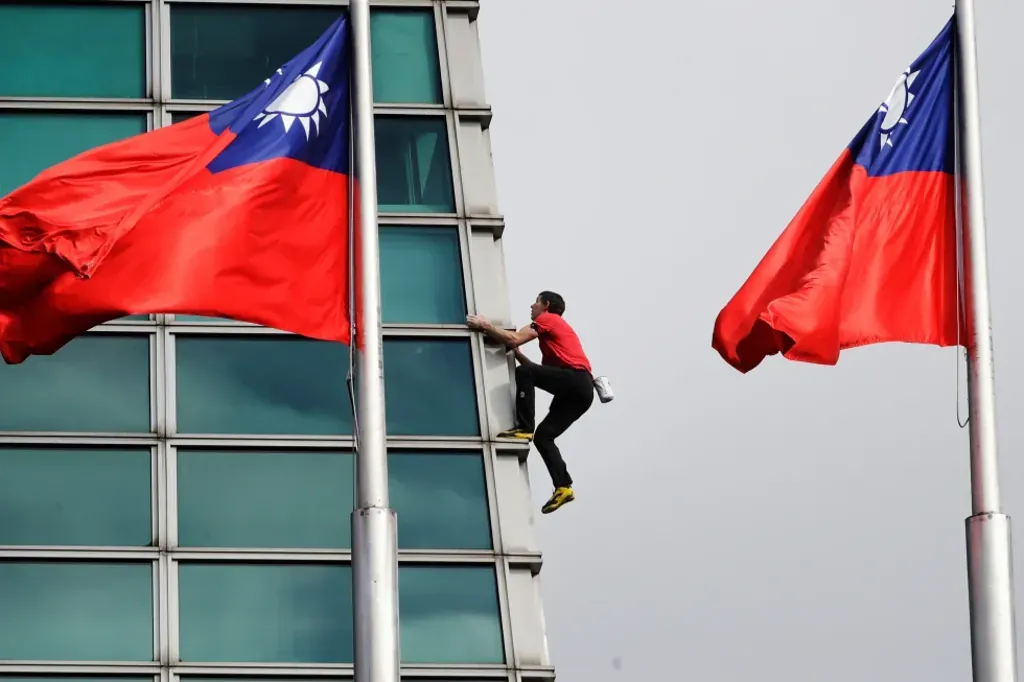
Honnold reached the spire of Taipei 101 roughly 90 minutes after leaving the ground, prompting cheers from spectators gathered at street level. Wearing a red short-sleeve shirt, he raised his arms as he stood atop the structure, visibly balancing in high winds.
Speaking after the climb, Honnold described the conditions near the top as challenging, noting strong gusts and the exposed nature of the spire. He said the position offered a rare panoramic view of the city and described the experience as both intense and visually striking.
Unlike most of his previous climbs, which take place in remote national parks and mountainous regions, the Taipei ascent unfolded in front of a live audience. Honnold acknowledged that the presence of a crowd initially added pressure but said the supportive atmosphere helped settle his focus as the climb progressed.
Technical route up a global landmark
Taipei 101, which stands 508 metres (1,667 feet) tall, has 101 floors and a distinctive tiered design inspired by bamboo segments — a symbol of growth and resilience in East Asian culture. The building’s exterior features a series of stacked sections with overhangs, balconies, and decorative architectural elements that complicate vertical movement.
Honnold climbed one corner of the structure, using small L-shaped exterior outcroppings as footholds. At multiple points, he had to traverse around large ornamental features that project from the façade, pulling himself upward using only his hands and feet.
The most technically demanding portion of the climb was the central section of the building, known for its “bamboo box” design. This middle stretch consists of eight stacked segments, each with eight floors of steep, overhanging climbing surfaces followed by narrow balconies. Honnold used these balconies for short rest stops before continuing upward.
From a climbing perspective, the route combined endurance, balance, and precise foot placement rather than traditional rock technique. The smooth industrial surfaces and architectural symmetry created a different risk profile than natural rock faces, where textures and fractures provide more organic grip points.
Broadcast and weather delays
The ascent was broadcast live by Netflix with a 10-second delay. The original schedule had placed the climb on Saturday, but rain forced a 24-hour postponement, highlighting the sensitivity of free solo climbing to surface conditions and weather.
Even small amounts of moisture can make surfaces dangerously slick, particularly on smooth urban materials such as metal, glass, and treated stone. The delay underscored the risk management involved in such climbs, where conditions must align precisely for safety.
Live broadcasting added another layer of complexity. Unlike controlled documentary filming, real-time transmission introduces public pressure and removes the possibility of post-production framing. The climb unfolded as a single, continuous performance with no margin for interruption.
A climber known for extreme minimalism
Honnold is globally known for his ropeless ascent of El Capitan in Yosemite National Park, a climb that became the subject of the Oscar-winning documentary Free Solo. That ascent, completed without ropes, harnesses, or protective equipment, established him as one of the most recognisable figures in modern climbing.
Free solo climbing — ascending without any form of protection — is widely regarded as the most dangerous form of the sport. Any slip or misjudgment is typically fatal. As a result, such climbs are rare and often controversial, even within professional climbing communities.
Honnold’s career has been defined by meticulous preparation, route memorisation, and mental discipline. Supporters point to his methodical approach and long-term training, while critics often question the ethical implications of publicising high-risk solo ascents.
The Taipei climb adds a new dimension to his portfolio, shifting the setting from wilderness landscapes to dense urban space — a symbolic crossover between natural and man-made vertical environments.
Ethics, visibility, and public reaction
The event generated both admiration and concern. Supporters praised the precision, discipline, and control required to execute such a climb in a public environment. Others raised ethical questions about broadcasting high-risk feats live, particularly regarding influence on younger climbers and the normalisation of extreme risk.
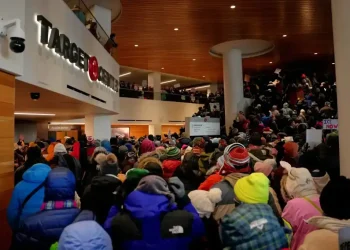
Public reaction on the ground was largely celebratory. Spectators cheered throughout the ascent, and the atmosphere was described by Honnold as “festive” and supportive, despite the underlying tension of the climb itself.
The visibility of the event distinguishes it from most free solo climbs, which typically occur in isolated locations with limited witnesses. The combination of live broadcasting, a global platform, and a major urban landmark created a rare convergence of sport, media, and spectacle.
Historical context
Honnold is not the first climber to scale Taipei 101. French climber Alain Robert, often known as the “French Spider-Man,” climbed the building on Christmas Day in 2004 during its grand opening period, using ropes as part of a promotional event when the tower was the world’s tallest building.
Honnold’s ascent, however, is the first confirmed rope-free climb of the structure, distinguishing it from previous ascents that used safety equipment or support systems.
Taipei 101 remains one of the most recognisable skyscrapers in Asia and a symbol of Taiwan’s economic development and engineering ambition. Its use as a climbing route places it among a small number of iconic global structures that have become sites of extreme urban climbing.
This article was rewritten by JournosNews.com based on verified reporting from trusted sources. The content has been independently reviewed, fact-checked, and edited for accuracy, neutrality, tone, and global readability in accordance with Google News and AdSense standards.
All opinions, quotes, or statements from contributors, experts, or sourced organizations do not necessarily reflect the views of JournosNews.com. JournosNews.com maintains full editorial independence from any external funders, sponsors, or organizations.
Stay informed with JournosNews.com — your trusted source for verified global reporting and in-depth analysis. Follow us on Google News, BlueSky, and X for real-time updates.