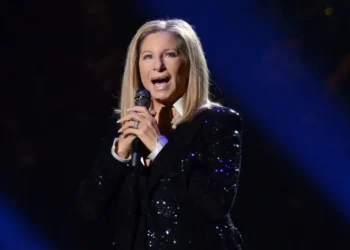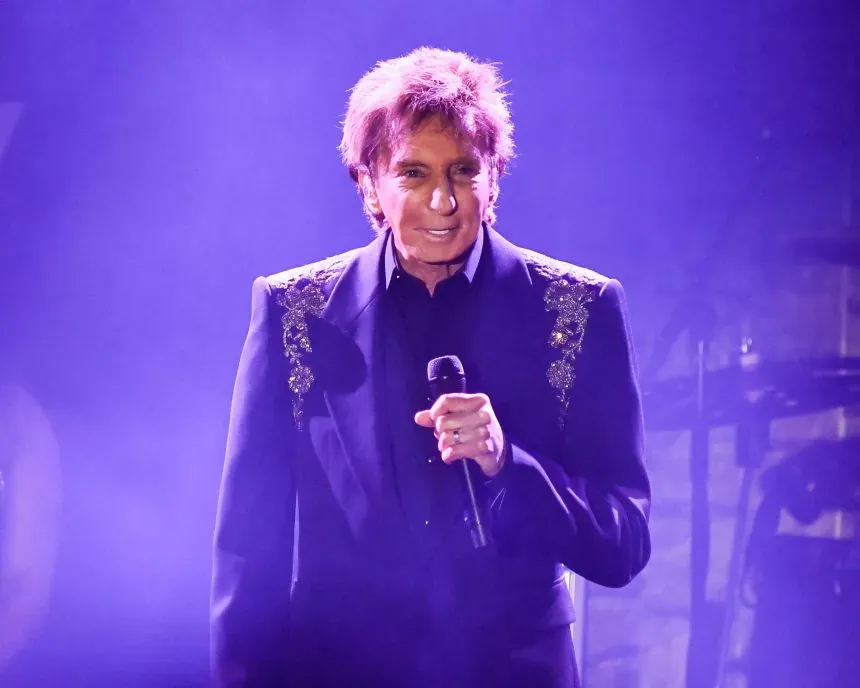
The announcement that Barry Manilow will undergo surgery for early-stage lung cancer has prompted a temporary adjustment to his long-running Las Vegas residency, underscoring both the durability of legacy touring acts and the operational flexibility of live entertainment schedules.
The 82-year-old performer confirmed that doctors identified a cancerous spot on his left lung following a recent medical scan, with surgery planned to remove the affected area. According to his statement, the condition was detected early and is not believed to have spread, allowing for a targeted treatment approach without chemotherapy or radiation.
Residency Impact and Live Performance Outlook
Manilow’s upcoming performances have been postponed as a precaution, affecting dates tied to his residency at the Westgate Las Vegas Resort and Casino, where he has maintained a consistent live presence for more than 15 years.

The singer indicated he aims to return to the stage by mid-February, aligning with previously scheduled Valentine’s-themed concerts. Industry observers note that Las Vegas residencies, particularly those anchored by legacy artists, are structured to accommodate health-related interruptions without long-term disruption to ticket demand or venue partnerships.
Health Disclosure and Industry Context
In a message shared publicly, Manilow detailed that the diagnosis followed an extended period of bronchitis, which led his physician to order further imaging. The scan revealed the lung abnormality, which he described as being caught through “pure luck” and early intervention.
Medical clarity around the diagnosis appears to have informed a relatively optimistic timeline for recovery. Early-stage detection remains a critical factor in treatment outcomes, particularly for performers whose schedules depend on physical endurance and vocal consistency.
Career Continuity and Audience Relationship
Manilow’s ability to maintain audience engagement despite health setbacks reflects the broader resilience of legacy touring brands. Known for a catalog that includes “Mandy” and “Copacabana,” his Las Vegas residency has become a fixture of the city’s entertainment economy, appealing to multi-generational audiences.
The artist’s long-term partnership with manager and spouse Garry Kief has also been a consistent element of his career stability. In previous interviews, Manilow has credited Kief with providing personal and professional grounding during periods of peak fame.
■ Related News




Industry Perspective on Legacy Acts
The temporary pause in Manilow’s schedule highlights a recurring reality in the live music sector: veteran performers continue to drive significant revenue streams while navigating age-related health considerations. Industry analysts point out that residency models, particularly in Las Vegas, are designed to mitigate these risks through flexible scheduling and advance ticketing strategies.
With an anticipated return date already signaled, Manilow’s case reflects a balance between transparency with audiences and confidence in recovery—an approach increasingly common among established artists managing long-term careers.