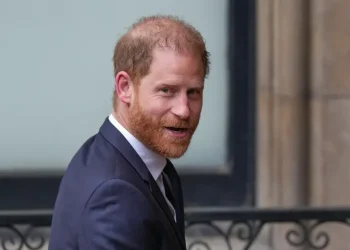
Prince Andrew’s December 2010 trip to New York, long described as a brief visit intended to sever ties with Jeffrey Epstein, has taken on new meaning as court-released documents and emails offer a more detailed account of what occurred. The material does not allege criminal conduct during the visit, but it challenges the narrative presented in Andrew’s 2019 television interview. It reveals a multi-day stay at Epstein’s townhouse that included social dinners, celebrity guests, shopping trips, private screenings, and parallel financial discussions involving debts linked to the Duke of York’s former wife.
The episode matters because it illustrates how personal, social and financial relationships between Andrew and Epstein continued two years after Epstein’s conviction for soliciting a minor. It also shows how those ties extended into seemingly routine social settings rather than a formal break in contact.
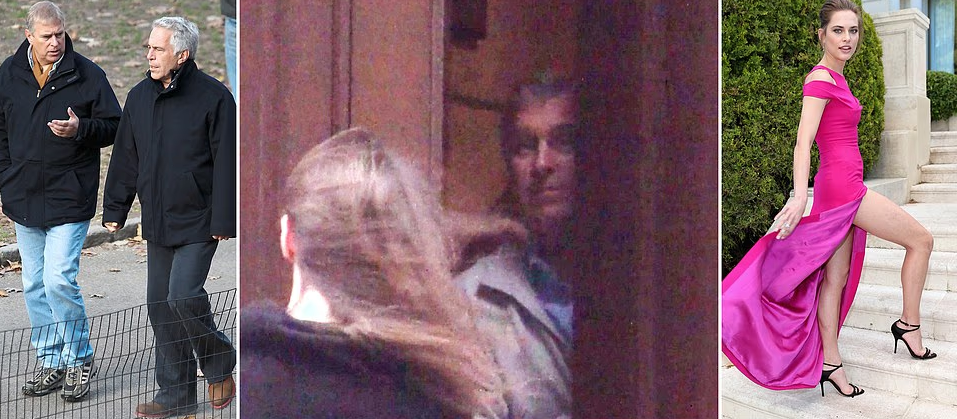
In public memory, the trip is often reduced to a single photograph: Andrew and Epstein walking through Central Park on December 5, 2010. That image became symbolic after Andrew’s 2019 Newsnight interview, when he said he had travelled to New York to end the relationship “face to face.”
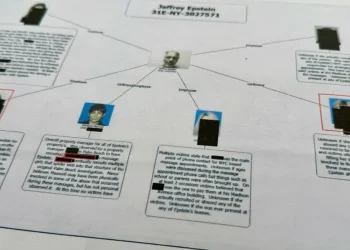
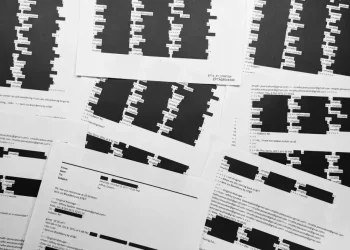
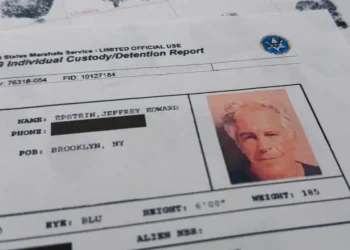
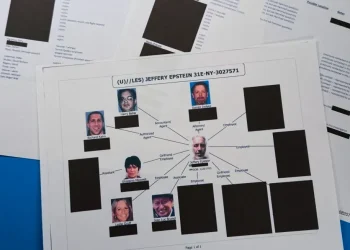
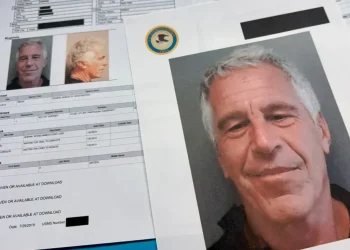
Newly released emails, schedules and correspondence from the vast body of documents linked to Epstein’s estate suggest the visit was not a short, awkward farewell. Instead, it appears to have been a long weekend involving organised dinners, invited guests from media and entertainment circles, model agency contacts, and arrangements for a private film screening.
The records do not claim wrongdoing at these events. But they provide granular detail that contrasts with Andrew’s description of the purpose and tone of the visit.
What Prince Andrew said about the trip
During the BBC Newsnight interview in November 2019, Andrew said he travelled to New York in December 2010 to end his friendship with Epstein. He acknowledged that staying at Epstein’s townhouse was “the wrong thing to do,” but framed the trip as an attempt to conclude the relationship in person.
He described it as an error of judgement made in the belief that a direct conversation was “the honourable and right thing to do.”
At the time of the trip, Epstein had already served a jail sentence in Florida after pleading guilty in 2008 to soliciting a minor for prostitution. The conviction had been widely reported internationally.
Andrew’s account left the impression of a brief visit centred on a difficult conversation.
The documentary record now available suggests a more complex and socially active stay.
Emails describing a “very last-minute casual dinner”
Correspondence released as part of court proceedings and Department of Justice document disclosures includes emails from Hollywood publicist Peggy Siegal describing preparations for a dinner at Epstein’s townhouse while Andrew was staying there.
The emails refer to a “very last-minute casual dinner” organised for Andrew. Guests mentioned in the correspondence include filmmaker Woody Allen and Soon-Yi Previn, journalist Katie Couric, talk show host Charlie Rose, comedian Chelsea Handler, and others from media and entertainment circles. There is no suggestion of wrongdoing at the dinner.
The emails also describe decorative details such as table arrangements and “gold ballroom chairs,” indicating advance planning rather than an impromptu gathering.
In one message, Siegal recounted parts of the evening and referred to providing Andrew with copies of the film The King’s Speech, which had been produced by The Weinstein Company. She wrote that she had asked him to say he saw the film in a New York theatre rather than mention she had lent him DVDs, noting concern that producer Harvey Weinstein would be unhappy about the copies being circulated.
The exchange gives insight into the tone of the evening: social, informal, and focused on conversation about film, culture and current events.
Plans for a private film screening
Separate emails show discussions about arranging a private screening of The King’s Speech for Andrew during the same week. The correspondence lists a series of New York cultural events taking place between November 29 and December 5, including film premieres and awards ceremonies, suggesting efforts to fit the screening into a busy social calendar.
One message encouraged Andrew to be told that the film and actor Colin Firth, who portrayed King George VI, were likely to win major awards.
These arrangements point to an organised itinerary during the visit, rather than a short, singular meeting.
The Central Park photograph in context
On December 5, 2010, Andrew and Epstein were photographed walking together in Central Park. That image later became emblematic of Andrew’s continued association with Epstein after his conviction.
Emails from the same weekend show Epstein asking an associate whether there was “anyone new for tonight,” a message that has drawn attention because of Epstein’s history and later criminal charges. The documents do not connect this message directly to Andrew, but they place it on the same day as the walk.
Other emails from the period refer to breakfast plans involving bagels, shopping at Barneys department store, and lunch with a modelling agency founder. Epstein also arranged for a model to be collected from the airport and accommodated for one or two nights.
These details collectively paint a picture of a socially active household over several days.
The financial issue running alongside the visit
At the same time as these social engagements, emails show Epstein corresponding with Andrew about a financial matter involving Sarah Ferguson, Andrew’s former wife, and her long-serving personal assistant, Johnny O’Sullivan.
O’Sullivan was owed wages and tuition fees related to an MBA at Columbia University that he said had been promised. The total discussed in emails exceeded $120,000, though negotiations later reduced the figure.
Epstein appears in the emails as a broker attempting to arrange a settlement. He updated Andrew on negotiations and expressed concern that any payment from him could be viewed negatively if disclosed.
Andrew’s replies show him discussing the issue directly with Epstein and expressing concern for how it might appear publicly. In one message, he wrote that “it would seem we are in this together,” a phrase that has since been widely cited.
O’Sullivan later wrote to Andrew’s private secretary complaining that he remained unpaid and threatening legal action. A later document seen on Epstein’s desk years afterward suggested a settlement had eventually been reached.
The episode shows Epstein acting as an intermediary in a personal financial dispute connected to Andrew’s family.
Why the timeline matters
The visit occurred two years after Epstein’s conviction and before the full scale of allegations against him became widely known. However, his status as a convicted sex offender was already public knowledge.
Andrew’s own later admission that staying with Epstein was a mistake rests partly on the idea that he misjudged how it would appear. The documentary record suggests that, during the visit, there was little sign of a deliberate distancing.
Instead, the emails and arrangements indicate comfort with the setting, participation in social events, and continued reliance on Epstein in personal matters.
This contrast between retrospective regret and contemporaneous behaviour is central to why the trip continues to draw scrutiny.
The broader consequences for Prince Andrew
The 2010 visit took on renewed significance after Epstein’s arrest in 2019 on federal sex trafficking charges and his death in jail. Andrew’s association with him became a focus of global media attention.
The Newsnight interview, intended to explain the relationship, was widely criticised and led to Andrew stepping back from royal duties. In 2022, he reached a financial settlement in a civil sexual assault lawsuit brought by Virginia Giuffre, which he denied.
Subsequent document releases have kept attention on the details of his past interactions with Epstein, including the New York visit.
For the British monarchy, the episode became part of a larger reputational issue involving judgement, accountability, and transparency.
What the documents do and do not show
The emails and schedules provide detail about dinners, guests, film screenings, shopping trips, and financial discussions. They do not allege criminal behaviour by Andrew during the visit.
They do, however, contradict the idea of a short, singular meeting aimed solely at ending a friendship. Instead, they show several days of social interaction and logistical planning at Epstein’s residence.
They also reveal how Epstein remained involved in matters affecting Andrew’s personal life, including negotiations over debts linked to his former wife.
This combination of social familiarity and financial reliance is what gives the visit continuing significance.
Why the episode still resonates
More than a decade later, the trip remains relevant because it illustrates how associations with Epstein extended into ordinary social settings long after his conviction.
It also shows how reputational damage can arise not from a single event but from the accumulation of emails, photographs, and small details that, together, reshape the narrative of what occurred.
The Central Park photograph captured a moment. The documents show the surrounding days.
Conclusion
The December 2010 visit to New York was neither secret nor dramatic at the time. It involved dinners, guests, film discussions, shopping, and private financial conversations. Only later did it become a focal point for questions about judgement and association. The documents released years afterward do not accuse Prince Andrew of criminal conduct during the trip, but they offer a fuller picture that differs from his own account. They show a socially active stay at Jeffrey Epstein’s home and continued personal dealings at a time when Epstein’s criminal past was already known. That contrast between narrative and record is why the visit continues to be examined.
This article was rewritten by JournosNews.com based on verified reporting from trusted sources. The content has been independently reviewed, fact-checked, and edited for accuracy, neutrality, tone, and global readability in accordance with Google News and AdSense standards.
All opinions, quotes, or statements from contributors, experts, or sourced organizations do not necessarily reflect the views of JournosNews.com. JournosNews.com maintains full editorial independence from any external funders, sponsors, or organizations.
Stay informed with JournosNews.com — your trusted source for verified global reporting and in-depth analysis. Follow us on Google News, BlueSky, and X for real-time updates.