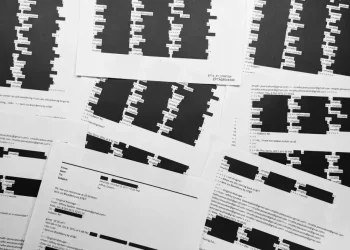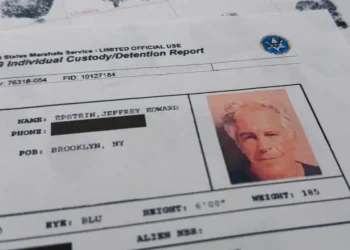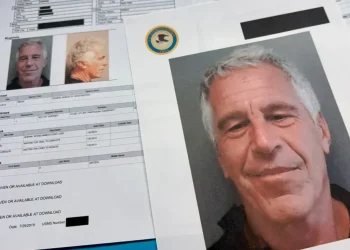
NEW YORK (AP) – A sweeping public release of U.S. Justice Department records tied to Jeffrey Epstein has exposed serious failures in the protection of victims’ privacy, with nude images, names, and sensitive personal information appearing in documents that were meant to be carefully redacted.
The disclosure follows a new federal law requiring investigators to open their Epstein case files to the public within a tight deadline. That law was designed to balance transparency with strict privacy protections for victims of sexual abuse. Instead, a review by The Associated Press and other news organizations found numerous examples where those safeguards were inconsistently applied or missing entirely.
The Justice Department has acknowledged the problems, attributing them to technical and human errors during an intensive review process conducted under time pressure. It says many problematic materials have since been removed and are being replaced with properly redacted versions.
Documents intended to protect victims instead exposed them
Among the materials released were photographs showing nudity, police reports listing the names of alleged victims without redactions, and documents displaying bank account numbers and Social Security numbers in full view.
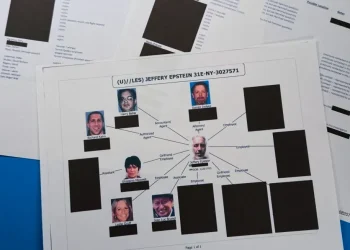
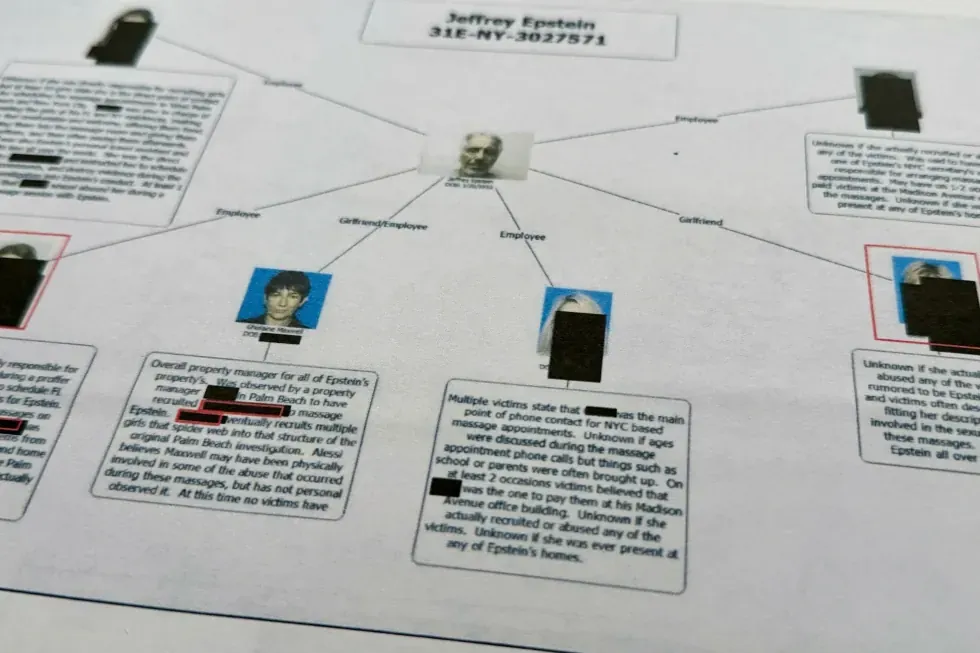
In one instance, a photograph of a girl who was underage when she was hired to give sexualized massages to Epstein in Florida appeared in a chart identifying alleged victims. In another, police reports revealed the identities of women who have never publicly identified themselves.
Despite corrective steps, at least one image of a topless woman with her face clearly visible remained accessible on the Justice Department site days after the issues were raised.
Several victims and their legal representatives called for the Justice Department to temporarily remove the database and appoint an independent monitor to oversee the redaction process. A judge in New York scheduled a hearing on the matter before cancelling it after lawyers cited progress in resolving the problems.
Brittany Henderson, a lawyer representing victims, said the harm caused could not easily be undone.
“The failure here is not merely technical,” she said in a statement. “It is a failure to safeguard human beings who were promised protection by our government. Until every document is properly redacted, that failure is ongoing.”
Victims say private details wrongly exposed
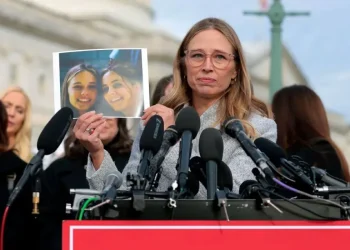
Annie Farmer, who has publicly accused Epstein and Ghislaine Maxwell of sexually assaulting her when she was 16, said the document release exposed additional personal details she had never intended to make public, including her date of birth and phone number.
“At this point, I’m feeling really most of all angry about the way that this unfolded,” Farmer told NBC News. “The fact that it’s been done in such a beyond careless way, where people have been endangered because of it, is really horrifying.”
Her case illustrates the central tension in the release: while some victims have spoken publicly for years, others have remained anonymous, and even those who are known may still have private data they expect to be protected.
Tight deadlines and strained staff
The problems emerged after President Donald Trump signed a law on Nov. 19 requiring the Justice Department to release the Epstein files within 30 days. The department missed that deadline, saying it needed more time to ensure compliance with privacy protections.
Hundreds of government lawyers were reassigned from their usual duties to review millions of pages of records. At least one federal judge in New York complained that the reassignment was delaying unrelated cases.
The database now posted on the Justice Department’s website represents the largest single release of Epstein investigation records since his death in a New York jail in 2019 while awaiting trial on federal sex trafficking charges.
Missed redactions and excessive ones
A review of the files revealed both failures to redact sensitive information and instances where redactions appeared arbitrary or overly broad.
In one example, a news clipping included in the files showed the name “Joseph” redacted from a caption describing a nativity scene at a church. In another, the name of a dog appeared to have been blacked out in a personal email.
The Justice Department has said staff were instructed to limit redactions to information directly related to victims and their families. Yet many documents show the names of lawyers, public figures, and unrelated individuals obscured, while victims’ details sometimes remained visible.
Images that remained identifiable
The department said it intended to black out any portion of photographs showing nudity and any images that might depict victims. But some photographs reviewed showed faces obscured while leaving large areas of bare skin visible, making the individuals identifiable in other ways.
Other photos showed women in dressing rooms trying on clothing or wearing bathing suits, raising concerns that the images, though partially altered, could still cause embarrassment or harm.
In one sequence of more than 100 images of a young woman, nearly every image was heavily blacked out except for the final photo, which showed her face clearly.
Ongoing corrections and scrutiny
The Justice Department says it continues to audit the released materials and replace files as errors are identified. Victims’ lawyers say they are still considering further legal steps, describing the damage as “permanent and irreparable.”
The episode underscores the difficulty of reconciling public transparency with privacy protections in cases involving sexual abuse, particularly when large volumes of records must be processed quickly. It also raises questions about whether the safeguards envisioned by lawmakers were practical to implement under the timeline imposed.
This article was rewritten by JournosNews.com based on verified reporting from trusted sources. The content has been independently reviewed, fact-checked, and edited for accuracy, neutrality, tone, and global readability in accordance with Google News and AdSense standards.
All opinions, quotes, or statements from contributors, experts, or sourced organizations do not necessarily reflect the views of JournosNews.com. JournosNews.com maintains full editorial independence from any external funders, sponsors, or organizations.
Stay informed with JournosNews.com — your trusted source for verified global reporting and in-depth analysis. Follow us on Google News, BlueSky, and X for real-time updates.