Spain will prohibit children under 16 from using social media and require platforms to implement strict age verification, joining a growing group of countries taking action to protect young users. The move reflects increasing concern over the influence of digital platforms on children’s mental health, safety, and exposure to harmful content.
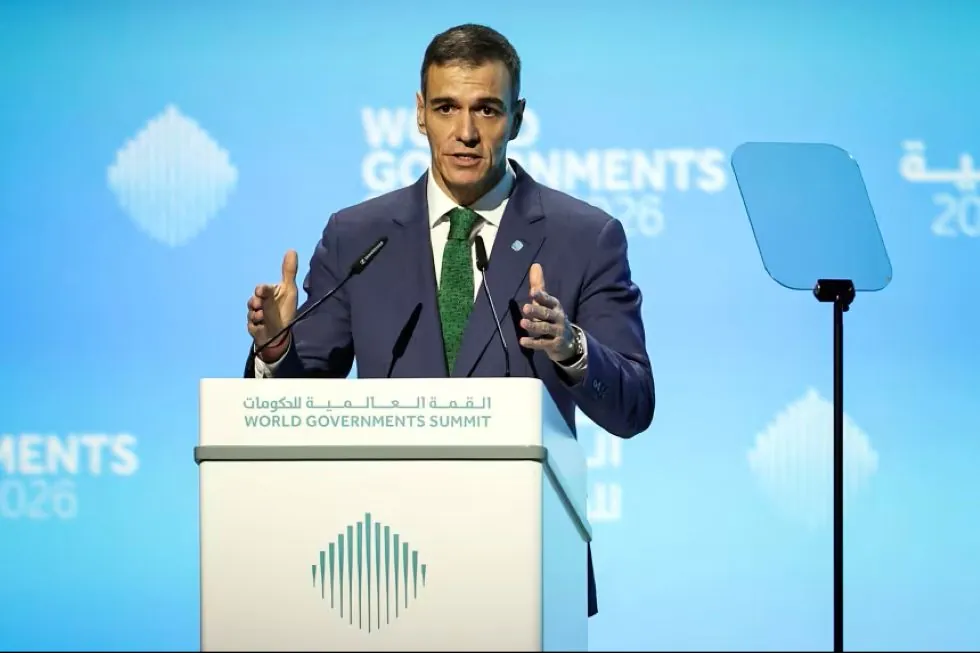
Spanish Prime Minister Pedro Sánchez announced the plan on Tuesday at the World Governments Summit in Dubai. He described the online environment for children as “a space of addiction, abuse, pornography, manipulation and violence,” emphasizing the government’s intent to shield minors from what he called the “digital Wild West.” Sánchez added that his administration will introduce laws to make social media executives criminally liable for failing to remove illegal or hateful content.
The proposed legislation also targets platforms and individuals that amplify illegal content, including through algorithms. Sánchez stated, “We will turn algorithmic manipulation and amplification of illegal content into a new criminal offense. Spreading hate must come at a cost.” The legislative process is set to begin next week, alongside plans to create a “hate and polarization footprint,” a tool to track how online platforms contribute to division and hate speech.
Global Trends in Youth Social Media Regulation
Spain joins Australia, France, and Denmark in restricting social media access for minors. In December, Australia became the first country to bar under-16s from 10 major platforms, including Facebook, TikTok, Instagram, Snapchat, and X. The United Kingdom is considering similar restrictions, while France and Denmark recently announced plans to prevent those under 15 from accessing social media.
French President Emmanuel Macron said last month he aims to fast-track legislation so the ban could take effect before the new school year begins in September. These measures reflect a broader European trend toward tighter regulation of digital platforms, driven by concerns over children’s safety, online bullying, and the spread of harmful content.
Coordinated European Approach
Sánchez noted that Spain has joined forces with five other European countries committed to stricter regulation of social media. The group, which he did not name, plans to hold its first meeting soon to coordinate enforcement across borders. “This is a battle that far exceeds the boundaries of any country,” Sánchez said, underscoring the transnational nature of online risks.
Experts note that age verification systems and liability measures could signal a significant shift in how governments hold platforms accountable for content moderation. While critics warn about potential privacy and technical challenges, supporters argue that these policies are necessary to protect children from increasingly complex digital harms.
As nations grapple with the influence of social media on young users, Spain’s initiative highlights the growing global effort to regulate online spaces and ensure children’s safety in the digital environment.
This article was rewritten by JournosNews.com based on verified reporting from trusted sources. The content has been independently reviewed, fact-checked, and edited for accuracy, neutrality, tone, and global readability in accordance with Google News and AdSense standards.
All opinions, quotes, or statements from contributors, experts, or sourced organizations do not necessarily reflect the views of JournosNews.com. JournosNews.com maintains full editorial independence from any external funders, sponsors, or organizations.
Stay informed with JournosNews.com — your trusted source for verified global reporting and in-depth analysis. Follow us on Google News, BlueSky, and X for real-time updates.