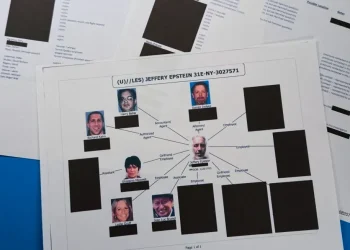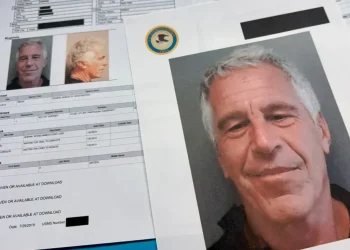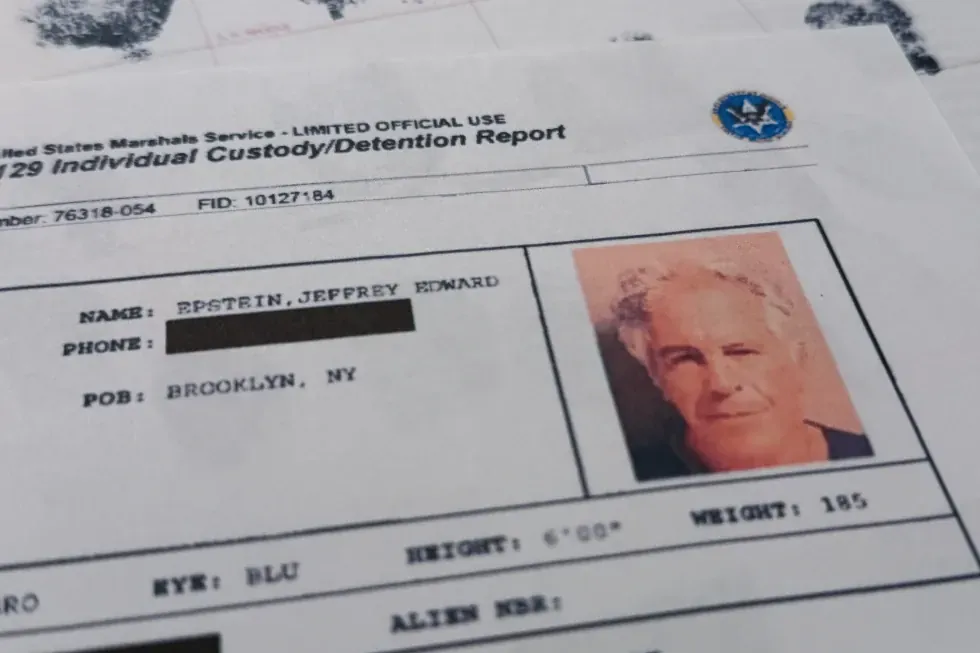
NEW YORK (JN) – The U.S. Justice Department has withdrawn thousands of documents from its public archive of Jeffrey Epstein-related court records after victims and their lawyers warned that flawed redactions exposed sensitive personal information, including names and financial details. The removal followed urgent complaints to a federal judge in New York, where victims described receiving threats and scrambling to protect their identities and accounts.
In a letter to the court, U.S. Attorney Jay Clayton acknowledged that “technical or human error” had led to the disclosure of information that should have been concealed. The department said it is revising its review protocols while removing and reprocessing files flagged by victims and their representatives.
The episode has renewed scrutiny of how federal authorities are handling the public release of material connected to one of the most high-profile sex trafficking cases in recent U.S. history, as judges, prosecutors, defense lawyers and victims’ advocates weigh the consequences of the disclosure.
Court complaints prompt rapid document removal
The Justice Department’s response came after two lawyers representing Epstein victims, Brittany Henderson and Brad Edwards, wrote to U.S. District Judge Richard M. Berman on Sunday seeking “immediate judicial intervention.” They cited what they described as thousands of instances in which names and personally identifying information were left visible in documents placed online by the government.
In his letter to the court on Monday, Clayton said the department had removed nearly all materials identified by victims or their lawyers, along with a “substantial number” of documents flagged independently by the government. He said the department now pulls documents from its public website as soon as concerns are raised, reviews them, and aims to repost properly redacted versions “ideally within 24 to 36 hours.”
Clayton added that the department has “iteratively revised its protocols” for reviewing and redacting records after requests from victims’ representatives for changes in the process.
Judge Berman scheduled a conference for Wednesday, inviting the lawyers to bring their clients if they wish. While acknowledging the urgency of the concerns, he wrote that he was “not certain how helpful I can be,” and encouraged the parties to continue resolving issues in good faith.
Victims describe threats and financial fallout
In their submission to the court, Henderson and Edwards included statements from eight women affected by the disclosures. One described the situation as “life threatening.” Another said she received death threats after dozens of entries exposed her private banking information, forcing her to attempt to shut down credit cards and accounts to limit potential damage.
The letter revived memories of a 2019 hearing in which Epstein’s accusers were allowed to address the court after his death in jail. Judge Berman, who presided over Epstein’s sex trafficking case before it was dismissed following his suicide, placed Sunday’s letter on the public docket.
By Monday, a section of the Justice Department’s Epstein files website that had hosted public court records from Epstein and Ghislaine Maxwell’s criminal cases and related civil lawsuits was no longer functioning. A request for comment on the website issue was left with the department.
Justice Department acknowledges sporadic errors
Deputy Attorney General Todd Blanche addressed the issue in an interview on ABC’s “This Week,” saying that there had been sporadic redaction errors but that officials had tried to move quickly when notified.
“Every time we hear from a victim or their lawyer that they believe that their name was not properly redacted, we immediately rectified that,” Blanche said. He added that the number of errors amounted to “.001 percent of all the materials” released.
The department has not publicly detailed how many documents were affected or how the errors occurred, beyond referencing technical and human mistakes.
Impact spills into ongoing criminal trial
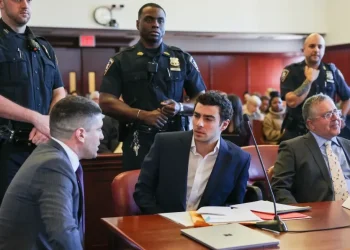
The redaction failures also surfaced Monday in an unrelated sex trafficking trial in Manhattan federal court. Defense lawyers for real estate brokers Tal, Oren and Alon Alexander asked Judge Valerie E. Caproni for a mistrial, arguing that documents released without proper redactions had linked their clients to the Epstein files.
Deanna Paul, a defense lawyer for the brothers, told the court that the government’s conduct had “destroyed the possibility of a fair trial” after the brothers’ names appeared in several documents posted on Friday. The brothers have pleaded not guilty to allegations that they drugged and raped multiple girls and women between 2008 and 2021.
Paul said the defendants had been “branded” with what she called “the most toxic association.” Judge Caproni tentatively rejected the mistrial request but questioned prosecutors sharply, asking: “Government, really?”
Assistant U.S. Attorney Elizabeth Espinosa acknowledged in court that at least one document mentioning the Alexander brothers “should have been properly redacted” and confirmed that the documents had been withdrawn from public circulation. She said she was unsure how the records became “caught up in the universe of documents” related to Epstein.
Espinosa added that many of the remaining documents expected to be released are “primarily related to civil litigation,” which may require judicial approval before becoming public.
Wider scrutiny of document release process
The Justice Department’s publication of Epstein-related files has drawn significant public and media attention, as journalists examine court records for previously undisclosed details. The Associated Press said it is reviewing the released documents in collaboration with journalists from other major U.S. outlets, with each newsroom responsible for its own reporting.
For victims, however, the focus has shifted from transparency to safety and privacy. Their lawyers argue that the government’s responsibility to protect identities in such cases is paramount, particularly in material connected to sexual abuse and trafficking.
The department’s acknowledgment of errors and its commitment to revising procedures may not end the matter. Judges overseeing related cases are now being asked to consider how public access to records can be balanced against the rights and safety of victims and the fairness of ongoing trials.
As the court conference approaches, the episode underscores the administrative and legal complexities involved in handling sensitive historical records in cases that continue to carry legal, personal and public consequences years after the central figure’s death.
This article was rewritten by JournosNews.com based on verified reporting from trusted sources. The content has been independently reviewed, fact-checked, and edited for accuracy, neutrality, tone, and global readability in accordance with Google News and AdSense standards.
All opinions, quotes, or statements from contributors, experts, or sourced organizations do not necessarily reflect the views of JournosNews.com. JournosNews.com maintains full editorial independence from any external funders, sponsors, or organizations.
Stay informed with JournosNews.com — your trusted source for verified global reporting and in-depth analysis. Follow us on Google News, BlueSky, and X for real-time updates.