As awards season unfolds across the United States, a growing number of entertainers are using red carpets not only to celebrate creative work but to signal dissent against federal immigration enforcement actions. At the 2026 Grammy Awards, several musicians joined a widening cultural protest tied to the Trump administration’s intensified immigration crackdown in Minneapolis and other cities.
The symbolic gestures — most visibly protest pins reading “ICE OUT” — followed a week of advocacy by organizers who coordinated with artists’ teams in the lead-up to the ceremony. While awards shows are often insulated from political confrontation, the Grammys appeared to reflect a more overt engagement from performers willing to use the spotlight to register opposition to U.S. Immigration and Customs Enforcement (ICE) operations.
The show of support came amid rising public anger following recent incidents that activists say have sharpened national attention on immigration enforcement, including the fatal shooting of nurse Alex Pretti by a Border Patrol officer, the detention of a 5-year-old child, Liam Conejo Ramos, and the arrest of journalist Don Lemon. These events have prompted protests in several cities and added urgency to calls for cultural figures to take a public stance.
Protest pins on the red carpet
Activists from the Latino advocacy group Maremoto worked throughout the week to circulate protest pins and messaging at pre-Grammy events. According to the group’s executive director, Jess Morales Rocketto, the effort gained more visible participation than similar actions at the Golden Globes earlier in the season.
“These pins are about so much more than a red carpet moment,” Morales Rocketto said. “It’s about people taking a stand and doing what they can to show up to say that ICE should be out of our communities.”
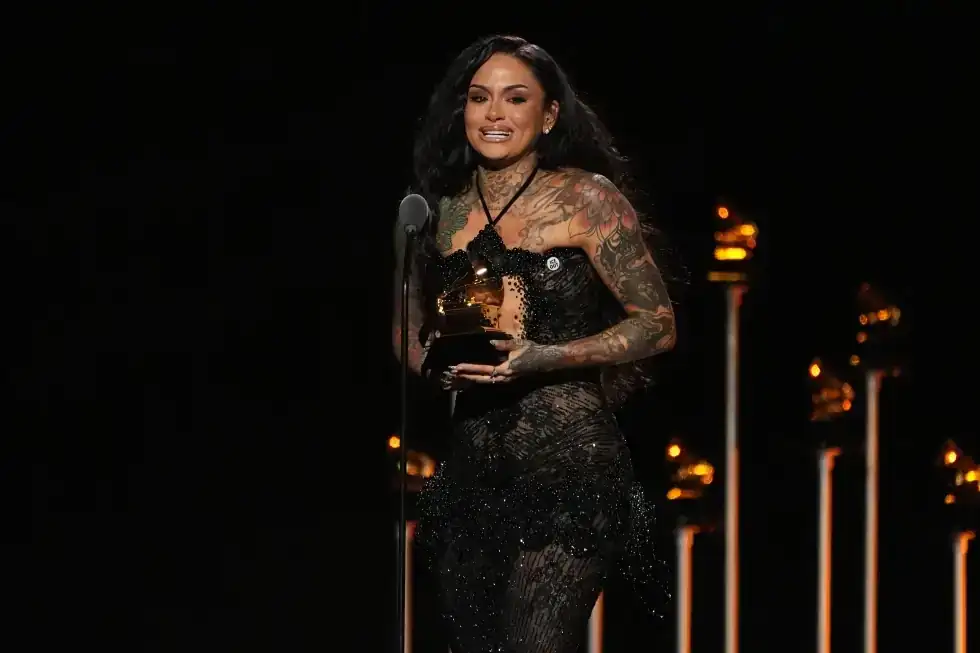
Among those seen wearing protest apparel on the Grammys red carpet were Jason Isbell, Margo Price, Kehlani and Rhiannon Giddens. Kehlani referenced ICE in her acceptance speech for best R&B performance, drawing applause from sections of the audience.
Justin Vernon of Bon Iver, whose band was nominated for best alternative music album, wore a whistle in tribute to legal observers documenting federal agents’ activities in Minneapolis.
“I think there’s a reason that music exists and it’s to heal and to bring people together,” Vernon told The Associated Press. “But the real work are those observers on the ground in Minneapolis. We just want to shout them out.”
Earlier in the week, Mexican American singer Becky G also sent a visible message at the MusiCares Person of the Year gala, displaying anti-ICE messaging through her nail art.
Momentum from Sundance and other events
The Grammys were not the first cultural event this season to feature protest symbolism. At the Sundance Film Festival, several actors wore “ICE OUT” pins during red carpet appearances, including Natalie Portman, Olivia Wilde and Zoey Deutch. Deutch also wore a “BE GOOD” pin referencing Renee Good, who activists say was killed by an ICE officer last month.
Wilde told the AP she was “horrified by this string of murders that we are somehow legitimizing and normalizing,” adding that it felt difficult to celebrate creative work while protests were unfolding across the country.
Portman became emotional when asked about her pin at a film premiere, saying it was “impossible to ignore what ICE is doing to our country,” while expressing admiration for Americans supporting affected communities.
These gestures suggest a widening alignment between parts of the entertainment industry and grassroots protest movements, particularly as immigration enforcement becomes a dominant topic of public debate.
Why some artists choose not to participate
Despite the visible support, Morales Rocketto described participation as unpredictable, shaped by a complex set of industry and personal considerations.
Objections, she said, can come from record labels, management teams, fashion partners or corporate sponsors. Even practical concerns — such as not damaging couture gowns with pins — can become a barrier.
“There’s like a million reasons for people not to do it,” she said.
For some artists, especially those with Latino heritage, the risks may extend beyond professional relationships. Morales Rocketto noted that immigration status concerns can affect entertainers and their families as well.
“Just because Latino artists are rich and famous doesn’t mean that they are exempt from the lack of safety that permeates so many Latino families,” she said, suggesting some performers may avoid visible protest out of caution.
She also referenced reported threats from the administration to deploy ICE agents at the upcoming Super Bowl halftime performance headlined by Bad Bunny, underscoring how immigration enforcement has entered even the highest-profile entertainment spaces.
Awards shows as platforms for civic expression
Historically, awards ceremonies have served as stages for political expression during periods of national tension, from the Vietnam War era to civil rights protests and debates over racial justice. The current immigration debate appears to be producing a similar dynamic, with performers weighing how — or whether — to use their visibility.
The Grammys, which draw artists known for bold fashion and expressive performances, may provide a more receptive setting for such gestures than film-industry events, according to organizers.
“These are folks who are known for six-stage shows, crazy costumes, being kind of rebellious, punk rock,” Morales Rocketto said. “That’s the music industry.”
For many participants, the symbolism is intended not as partisan messaging but as a signal of solidarity with communities affected by enforcement actions and with the legal observers and protesters documenting events on the ground.
As immigration policy continues to dominate headlines, the intersection between cultural platforms and civic activism is likely to remain visible throughout the awards season.
This article was rewritten by JournosNews.com based on verified reporting from trusted sources. The content has been independently reviewed, fact-checked, and edited for accuracy, neutrality, tone, and global readability in accordance with Google News and AdSense standards.
All opinions, quotes, or statements from contributors, experts, or sourced organizations do not necessarily reflect the views of JournosNews.com. JournosNews.com maintains full editorial independence from any external funders, sponsors, or organizations.
Stay informed with JournosNews.com — your trusted source for verified global reporting and in-depth analysis. Follow us on Google News, BlueSky, and X for real-time updates.