ISLAMABAD (JN) – Clashes between Pakistan and Afghanistan intensified over the weekend, with both nations claiming heavy casualties in air and artillery strikes targeting military positions along their shared border. The violence has prompted civilian displacement near key crossings and drawn international concern over renewed instability in the region. Diplomatic efforts are underway to prevent further escalation, with Qatar, Turkey, and other countries offering mediation.
Pakistan’s military reported that its recent operations against Afghan military positions killed over 300 Afghan forces and wounded more than 500, following several days of cross-border clashes. Pakistani officials said the strikes targeted 102 Afghan posts, destroyed 163 tanks and armored vehicles, and captured 22 positions. The operations were reportedly aimed at locations associated with the Pakistani Taliban, Tehrik-e-Taliban Pakistan (TTP), an outlawed group allied with Afghanistan’s Taliban but operating independently.
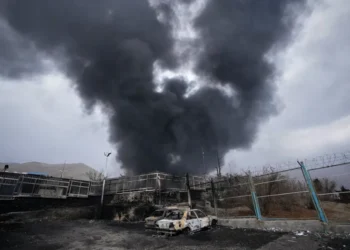
State-run Pakistani media reported that airstrikes continued into Saturday, hitting key military installations across eastern Afghanistan. Hundreds of residents near the northwestern Torkham border crossing fled to safer areas amid the attacks, while Pakistani authorities transported dozens of Afghan refugees to secure locations.

Afghanistan’s government has not independently confirmed Pakistan’s casualty claims. However, the Afghan Defense Ministry said its forces carried out strikes overnight on Pakistani bases in Miranshah and Spin Wam, destroying military installations and inflicting significant losses. In eastern Afghanistan, local officials accused Pakistan of targeting civilian areas, claiming at least 11 deaths and the destruction of homes. Pakistan has maintained that its operations are aimed exclusively at military targets.
Mullah Taj Mohammad Naqshbandi, an Afghan commissioner at the Torkham border, stated that Afghan forces “destroyed the Pakistani military regime’s commissariat, military units, and three important security towers.” Afghan officials on Friday reported 55 Pakistani soldiers killed in their strikes and claimed Afghan casualties were lower than reported by Pakistan.
Afghan government spokesman Zabihullah Mujahid framed the attacks as a warning to Pakistan, asserting that Afghan forces would respond to “every evil act” while criticizing Islamabad for avoiding dialogue. Pakistan’s Defense Minister Khawaja Mohammad Asif declared on social media that “our patience has now run out. Now it is open war between us.” The Pakistani military has accused Kabul of harboring TTP militants, allegations denied by Afghanistan’s Taliban government and the TTP itself.
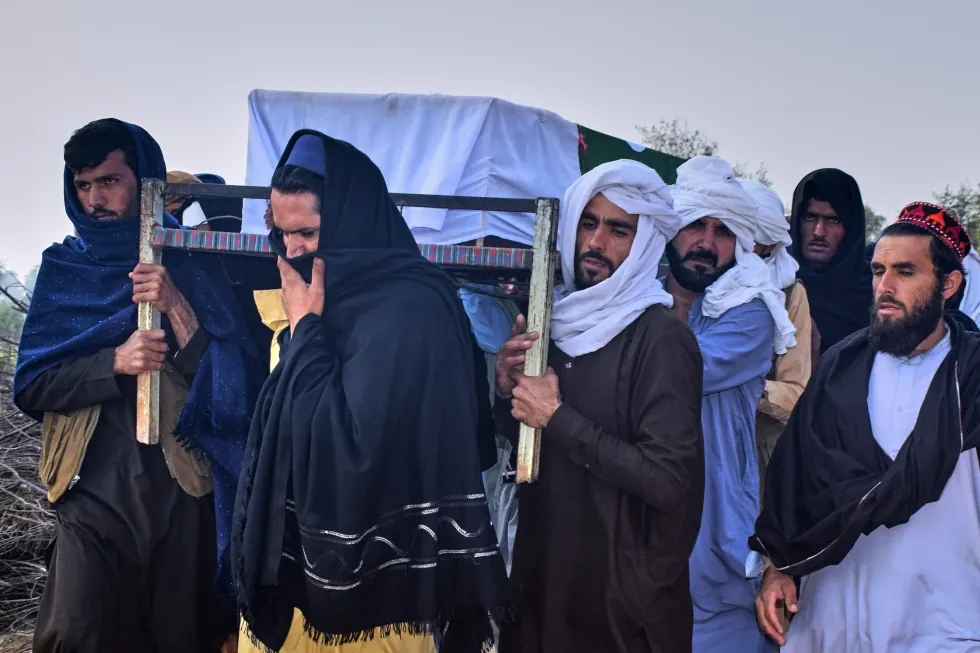
On the ground, civilians are bearing the brunt of the conflict. Afghan refugee Ejaz Ul Haq said he and his family could not return home due to ongoing fighting, and many others struggled to secure food during Ramadan. Pakistani villagers near the border have called for a ceasefire to reduce civilian suffering.
Tensions along the Pakistan-Afghanistan border have been persistent since October, when border clashes killed dozens of soldiers, civilians, and suspected militants. A Qatari-mediated ceasefire temporarily halted fighting, but subsequent peace talks in Turkey failed to produce a lasting resolution. Sporadic exchanges of fire resumed last week after Pakistan struck TTP hideouts.
■ Related News

International actors are again attempting to mediate the crisis. Qatar’s Minister of State Mohammed bin Abdulaziz Al-Khulaifi spoke with the foreign ministers of both countries on Friday to encourage de-escalation, according to Qatar’s Foreign Ministry. Turkey, Saudi Arabia, China, and other nations have also offered to support diplomatic efforts to prevent further escalation along the volatile border.
Source: AP News – Pakistan says it killed more than 300 Afghan forces in dayslong airstrikes inside Afghanistan