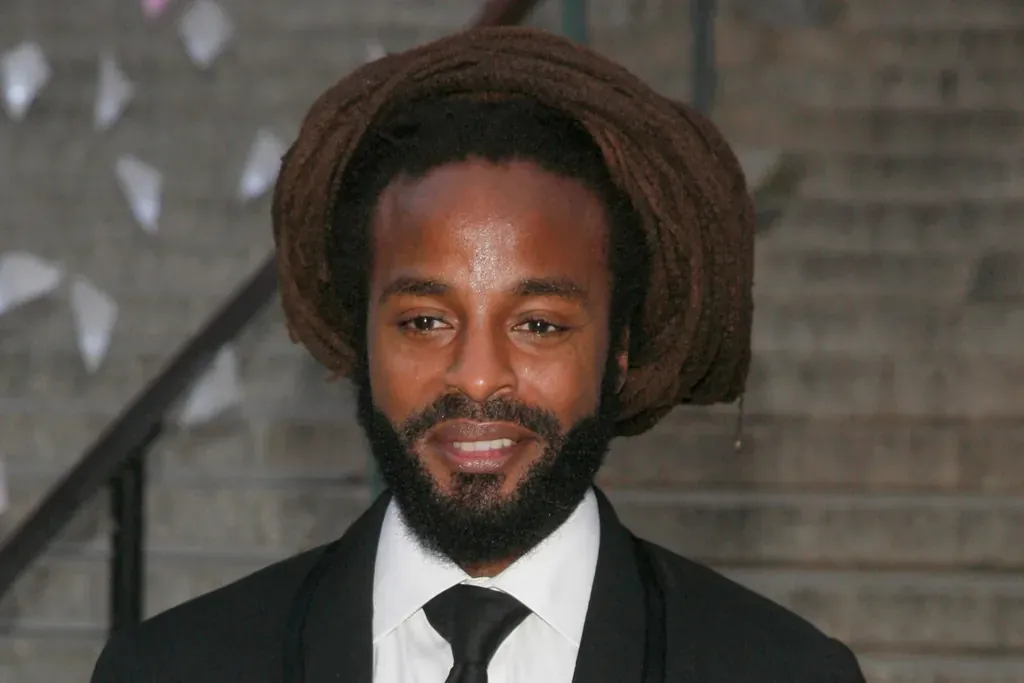
John Forté, the Grammy-nominated musician best known for his work with the Fugees and the Refugee Camp collective, was found dead at his home in Massachusetts on Monday. He was 50. Police said there were no immediate signs of foul play, and the state medical examiner is investigating the cause of death.
Chilmark police confirmed that Forté was discovered Monday afternoon at his residence in Chilmark, a town on Martha’s Vineyard. Police Chief Sean Slavin said authorities found no “readily apparent cause of death,” adding that the case remains under review by the Massachusetts medical examiner’s office.
Forté’s death marks the loss of a versatile and influential figure whose career spanned hip-hop, soul, folk, and experimental music, and whose life included both critical acclaim and a highly publicized period of incarceration that reshaped his artistic path.

Early life and breakthrough with the Fugees
Born in New York City, John Forté showed early musical promise and developed a reputation as a prodigious multi-instrumentalist and lyricist. He rose to prominence in the mid-1990s through his work with the Fugees, contributing to the group’s landmark 1996 album The Score, which went on to win a Grammy Award and became one of the most influential hip-hop albums of its era.
Although Forté was not a performing member of the trio alongside Lauryn Hill, Wyclef Jean, and Pras Michel, his behind-the-scenes contributions were widely acknowledged within the group’s creative circle. His songwriting and production input helped shape the album’s sound, which blended hip-hop with reggae, soul, and socially conscious themes.
Forté also worked closely with Wyclef Jean on Jean’s 1997 solo album The Carnival, which earned a Grammy nomination and further cemented Forté’s reputation as a gifted collaborator within the Refugee Camp collective.
Solo work and musical range
Beyond his collaborations, Forté pursued a solo career that reflected his eclectic musical influences. He released albums including Poly Sci and I, John, projects that moved fluidly between rap, spoken word, folk, and rock textures.
His solo recordings featured a range of collaborators from different musical backgrounds, underscoring his ability to cross genre boundaries. Among them was singer-songwriter Carly Simon, whose son, Ben Taylor, was a close friend of Forté’s and worked with him on various projects.
Critics often noted that Forté’s solo work, while less commercially prominent than his contributions to major-label releases, revealed a deeply personal and exploratory approach to songwriting. His lyrics frequently touched on identity, justice, and resilience, themes that would later take on added weight following his imprisonment.
Arrest, sentencing, and commutation
In 2000, Forté was arrested at Newark Liberty International Airport and charged with possession of liquid cocaine and drug trafficking. He was later sentenced to 14 years in federal prison, a term that drew attention from artists, activists, and legal reform advocates who argued that the sentence was disproportionately severe.
After serving seven years, Forté’s sentence was commuted by then-President George W. Bush. His release followed sustained advocacy from a wide range of public figures, including Carly Simon and other musicians, who publicly supported clemency.
Following his release, Forté spoke openly about the impact of incarceration on his life and creativity. He resumed recording and performing, often framing his later work around themes of redemption, reflection, and social inequality within the U.S. justice system.
Later career and personal life
In the years after his release, Forté continued to release music independently and collaborate with artists across genres. He also became known for intimate live performances that emphasized storytelling and musical versatility.
Forté lived in Massachusetts in recent years with his wife, photographer Lara Fuller. The couple had two children. Friends and collaborators have described him as a deeply committed family man who balanced creative work with a quieter domestic life away from the center of the music industry.
While his public profile never returned to the level it reached during the peak of the Fugees’ success, Forté remained a respected figure among musicians and fans who followed his career closely.
Investigation ongoing
Police have not released further details surrounding Forté’s death. Chief Slavin said there were no signs of foul play at the scene, and officials are awaiting findings from the medical examiner to determine the cause.
Tributes from fellow artists and fans began circulating online following news of his death, reflecting the breadth of his influence and the enduring regard for his work. Formal statements from former collaborators have not yet been issued.
Forté’s death closes a career marked by creative range, collaboration, and resilience. From his early success with the Fugees to his later independent work, he remained a distinctive voice within and beyond hip-hop.
This article was rewritten by JournosNews.com based on verified reporting from trusted sources. The content has been independently reviewed, fact-checked, and edited for accuracy, neutrality, tone, and global readability in accordance with Google News and AdSense standards.
All opinions, quotes, or statements from contributors, experts, or sourced organizations do not necessarily reflect the views of JournosNews.com. JournosNews.com maintains full editorial independence from any external funders, sponsors, or organizations.
Stay informed with JournosNews.com — your trusted source for verified global reporting and in-depth analysis. Follow us on Google News, BlueSky, and X for real-time updates.