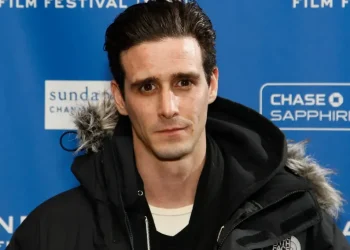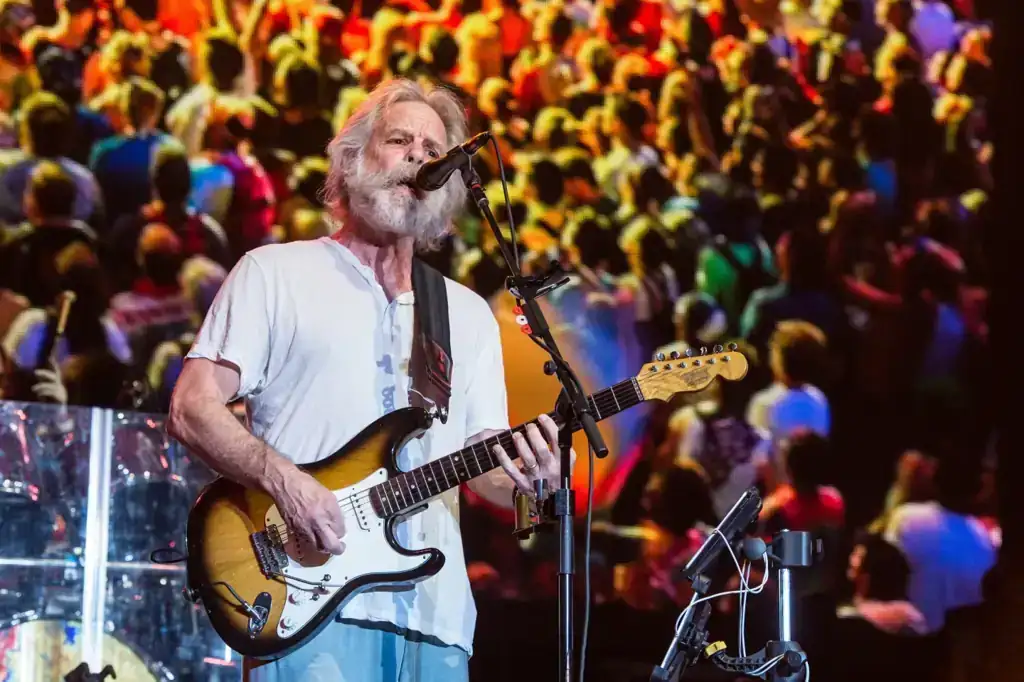
Bob Weir, guitarist, singer, and founding member of the Grateful Dead, has died at the age of 78. His death was announced Saturday in a statement shared on his official Instagram account. Weir remained active as a performer well into his later years, completing a career that spanned more than six decades.
The statement said Weir died peacefully while surrounded by family and loved ones. It said he had previously beaten cancer but later developed serious lung complications.
Early years and the birth of the Grateful Dead
Weir was born in San Francisco and raised in nearby Atherton, California. He joined the band that would become the Grateful Dead in 1965, when he was just 17 years old. At the time, the group performed under the name the Warlocks before adopting the name that would later define a generation of American counterculture.

As the youngest member of the band, Weir stood out in its early years. He appeared more clean-cut than some of his bandmates and looked closer to a high school student than a rock musician. Over time, his appearance and musical identity evolved as the band moved from local venues to national and international stages.
A distinct voice within a singular band
Within the Grateful Dead’s loose and collaborative structure, Weir developed a clear and lasting role. He wrote or co-wrote several of the band’s best-known songs and sang lead vocals on tracks such as “Sugar Magnolia,” “One More Saturday Night,” and “Mexicali Blues.”
His rhythm guitar style helped shape the band’s sound. Rather than following traditional rock patterns, Weir played interlocking parts that blended closely with the rest of the group. That approach became a defining feature of the Grateful Dead’s music.
For nearly 30 years, Weir toured constantly with the band alongside lead guitarist and singer Jerry Garcia. Garcia’s death in 1995 ended the Grateful Dead in its original form, but it did not end Weir’s commitment to live performance.
Bob Weir death and the band’s lasting legacy
The Grateful Dead outlived the brief “hippie era” often linked to its rise. Over time, the band built a devoted and multigenerational fan base known as Deadheads. Many fans traveled from concert to concert, helping create a touring culture that influenced later jam bands and live music scenes.
Weir played a central role in keeping that legacy alive. After the Grateful Dead stopped touring, he continued performing with various projects. His most prominent later group was Dead & Company, which brought together former band members and younger musicians for large-scale tours.
In July, Dead & Company performed a series of shows at San Francisco’s Golden Gate Park. The concerts marked the Grateful Dead’s 60th anniversary and highlighted the music’s continued global reach.
Later years and recognition
Despite the passing years, Weir showed little interest in slowing down. “For over sixty years, Bobby took to the road,” the Instagram statement said. It described him as a guitarist, vocalist, and storyteller whose work reshaped American music.
When the Grateful Dead received the MusiCares Person of the Year honor, Weir reflected on the band’s long run. He said longevity was never their main goal. Instead, he said, the group focused on sharing joy through music.
Survivors and the end of an era
Weir’s death leaves drummer Bill Kreutzmann as the only surviving original member of the Grateful Dead. Founding bassist Phil Lesh died in 2024, further closing a defining chapter in American rock history.
While most of the original lineup is now gone, Weir’s influence remains strong. His work lives on through recordings, fan communities, and the touring model the band helped create. His career continues to shape how live music reaches audiences around the world.
This article was rewritten by JournosNews.com based on verified reporting from trusted sources. The content has been independently reviewed, fact-checked, and edited for accuracy, neutrality, tone, and global readability in accordance with Google News and AdSense standards.
All opinions, quotes, or statements from contributors, experts, or sourced organizations do not necessarily reflect the views of JournosNews.com. JournosNews.com maintains full editorial independence from any external funders, sponsors, or organizations.
Stay informed with JournosNews.com — your trusted source for verified global reporting and in-depth analysis. Follow us on Google News, BlueSky, and X for real-time updates.