WASHINGTON (Journos News) – A U.S. military strike on a suspected drug-trafficking vessel in the eastern Pacific Ocean has killed three people, marking the latest escalation in Washington’s maritime campaign against cartels in Latin America. The operation, confirmed by U.S. Southern Command, underscores the growing scope of the administration’s strategy to interdict narcotics at sea.
The latest incident comes amid mounting scrutiny over the legality and effectiveness of these strikes. While U.S. officials argue the operations are necessary to disrupt transnational criminal networks, critics question whether military force in international waters is an appropriate or lawful tool in what has traditionally been a law enforcement mission.
The developments are part of a broader shift in U.S. counter-narcotics policy that has blurred the lines between military engagement and policing. The campaign has unfolded largely beyond public view, raising concerns among lawmakers and legal analysts about oversight and accountability.

Details of the latest strike
In a statement posted on social media, the military’s regional command, U.S. Southern Command, said the vessel was “transiting along known narco-trafficking routes in the Eastern Pacific and was engaged in narco-trafficking operations.” It added that three individuals were killed in the strike.
Video footage accompanying the announcement showed a small boat at sea before it erupted into flames. The command did not immediately provide further details about the vessel’s nationality, the identities of those killed, or the intelligence underpinning the operation.
The eastern Pacific has long been a corridor for maritime drug shipments, particularly cocaine moving north from South America toward Central America and Mexico. U.S. naval and aerial assets regularly patrol the region in coordination with partner nations.
Rising toll in maritime campaign
Friday’s strike adds to a growing tally of deadly operations since early September. According to figures cited by U.S. officials, at least 148 people have been killed in 43 strikes in the Caribbean Sea and eastern Pacific since the campaign intensified.
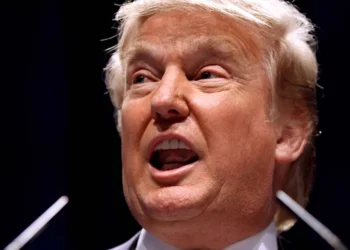
President Donald Trump has described the situation as an “armed conflict” with cartels and framed the operations as part of a broader effort to curb the flow of illicit drugs into the United States. Administration officials have defended the strikes as lawful uses of force against what they characterize as organized criminal groups engaged in narcotics trafficking.

The White House has provided limited public evidence detailing how targets are identified or how individuals aboard vessels are determined to be directly participating in drug operations. That lack of transparency has fueled debate in Congress and among legal scholars.
Legal and political scrutiny
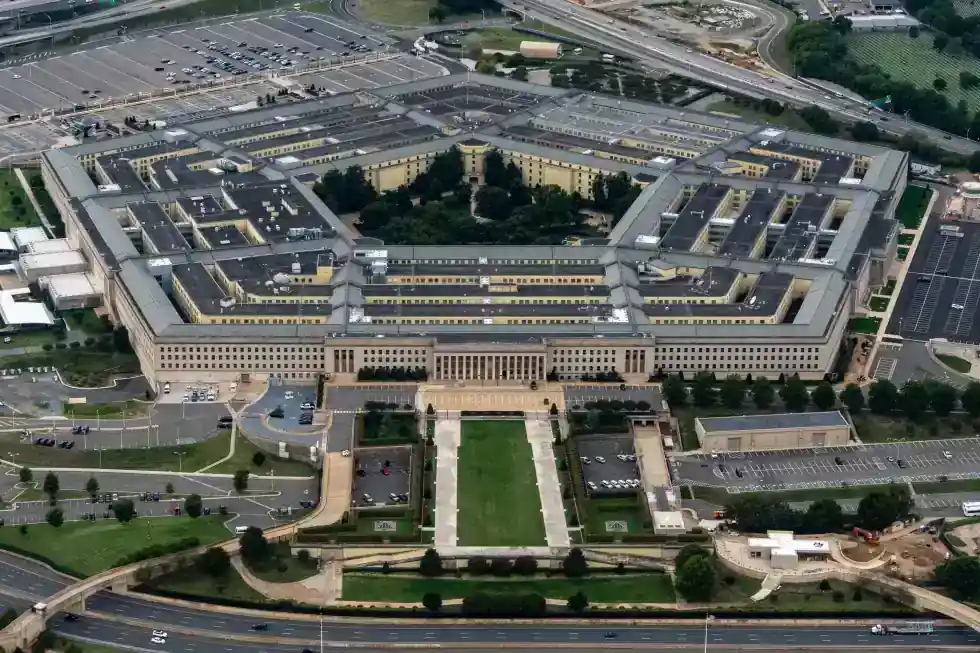
Critics argue that deploying military force against suspected traffickers risks bypassing established legal frameworks governing law enforcement and the use of lethal force. Some Democratic lawmakers and international law experts have questioned whether such strikes could violate international humanitarian law, particularly if individuals targeted are not combatants in a recognized armed conflict.
The controversy deepened after reports that, in an earlier operation, survivors of an initial strike were killed in a subsequent attack. Administration officials and several Republican lawmakers described the action as necessary and consistent with the rules of engagement. Others labeled it unlawful and called for investigations.
The debate reflects a broader tension over how far the United States can extend military authorities in combating transnational crime. Traditionally, counter-narcotics operations at sea have involved interdiction and arrest, often coordinated with the U.S. Coast Guard and foreign governments.
Questions over effectiveness
Beyond legal concerns, some analysts question whether the maritime strikes address the core drivers of the U.S. drug crisis. Much of the fentanyl responsible for fatal overdoses in the United States is trafficked over land from Mexico, where it is manufactured using precursor chemicals often imported from China and India.
While maritime routes are significant for other drugs, particularly cocaine, critics argue that a strategy centered on lethal force at sea may have limited impact on synthetic opioid flows. They also warn of potential diplomatic consequences in a region where cooperation with Latin American governments remains essential.
Supporters of the campaign contend that disrupting trafficking networks at multiple points — including maritime corridors — increases pressure on cartels and complicates their operations. They argue that deterrence and disruption are central components of a comprehensive strategy.
As the operations continue, calls for clearer public accounting are likely to intensify. The balance between national security, international law, and domestic public health priorities remains at the center of the debate.
Source: AP News – US military strikes another alleged drug boat in eastern Pacific, killing 3