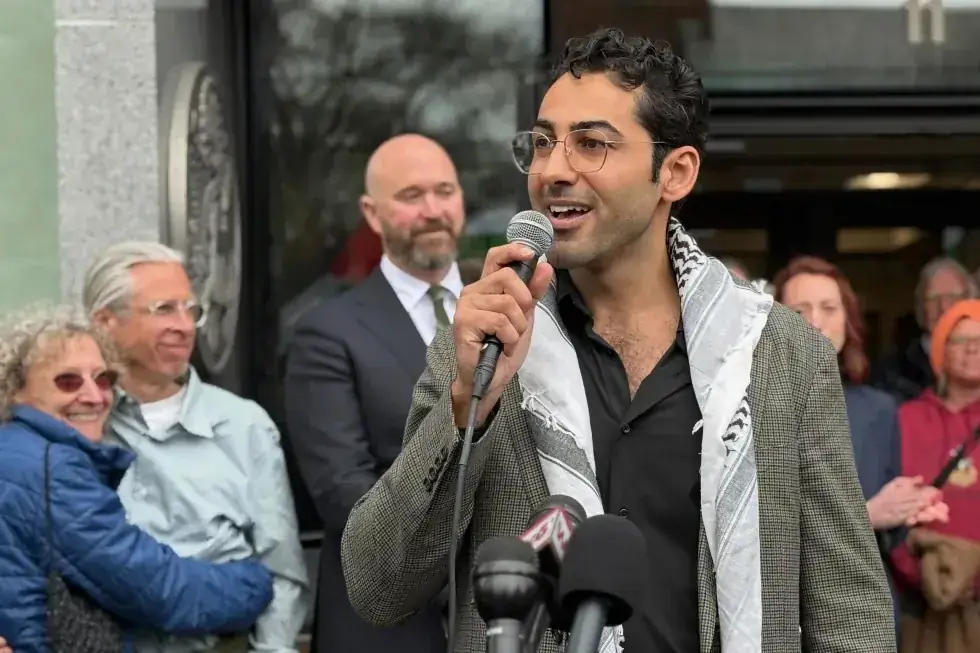
NEW YORK (Journos News) – A U.S. immigration judge has halted the deportation case against Mohsen Mahdawi, a Palestinian activist and graduate student at Columbia University, delivering a setback to federal efforts to remove foreign nationals involved in pro-Palestinian campus protests. The decision, made public Tuesday, centers on a procedural failure by government attorneys rather than the substance of the allegations.
The ruling underscores the legal complexities surrounding the government’s attempt to deport noncitizens who have publicly criticized Israel or protested the war in Gaza. It also highlights how immigration proceedings — often administrative and technical in nature — can hinge on strict evidentiary standards.
Mahdawi, a lawful permanent resident of the United States for roughly a decade, was arrested by immigration authorities last April during what his attorneys said was a scheduled citizenship interview. He was released about two weeks later after a federal judge intervened. Since then, the government has continued pursuing his removal.

Procedural Error Ends Immigration Case — For Now
Immigration Judge Nina Froes terminated the deportation proceedings after determining that government lawyers failed to properly certify a key document they submitted as evidence. According to the ruling, attorneys provided only a photocopy of an official memorandum without the required certification under federal rules.
Such certification requirements are intended to ensure authenticity and reliability in administrative proceedings. The judge concluded that the government’s failure to meet that standard required dismissal of the case.
The Department of Homeland Security has the option to appeal the decision. Legal analysts note that procedural dismissals do not necessarily prevent the government from refiling a case if deficiencies are corrected.
Mahdawi’s legal team described the ruling as a reaffirmation of due process protections within the immigration system. In a statement released through his attorneys, Mahdawi said the decision upheld the rule of law and protected the right to advocate for peace and justice.
Broader Federal Effort Targeting Campus Activism
The case forms part of a wider federal initiative aimed at removing noncitizens who participated in pro-Palestinian demonstrations on U.S. campuses. At institutions including Columbia University, protests intensified following the outbreak of war in Gaza, prompting political scrutiny and administrative responses nationwide.
■ Related News




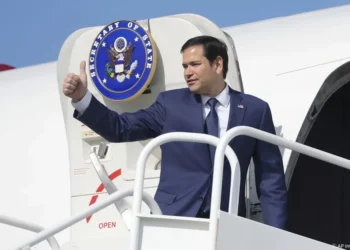
Federal officials have pointed to a memorandum from Secretary of State Marco Rubio asserting that noncitizens may be subject to removal if their presence could undermine U.S. foreign policy interests. The memo has been cited in multiple cases involving campus activists.
Last month, in a separate proceeding, another immigration judge blocked the government’s attempt to deport Rümeysa Öztürk, a graduate student at Tufts University. Öztürk had written an opinion piece criticizing her university’s handling of the Gaza war. That case, like Mahdawi’s, drew attention from civil liberties groups concerned about free speech protections.
The administration has characterized some campus protests as disruptive and, in certain instances, sympathetic to extremist groups. In an emailed statement following Tuesday’s ruling, Department of Homeland Security spokesperson Tricia McLaughlin described Mahdawi as a leader of “pro-terrorist riots” and indicated the government intends to continue pursuing visa revocations in similar cases.
Mahdawi’s Background and Ongoing Litigation
Mahdawi was born in a refugee camp in the Israeli-occupied West Bank and later obtained lawful permanent resident status in the United States. His attorneys say he has lived in the country for approximately 10 years.
Beyond the immigration court case, Mahdawi has filed a separate lawsuit in federal district court arguing that his earlier detention was unlawful. That case remains pending, according to his legal team.
Legal experts note that immigration law grants broad discretion to the executive branch in matters of removal, particularly when foreign policy concerns are invoked. At the same time, courts have repeatedly emphasized that procedural safeguards and evidentiary standards must still be observed.
Legal and Political Implications
The ruling does not resolve the broader debate over the intersection of immigration enforcement, foreign policy authority and free expression on university campuses. Instead, it illustrates how technical requirements — such as proper certification of documents — can decisively shape individual cases.
For now, Mahdawi remains in the United States as a lawful permanent resident. Whether the administration appeals, refiles the case, or shifts strategy will determine the next phase of proceedings.
The decision comes amid ongoing tensions across U.S. universities as administrators, students and federal officials navigate the fallout from the Gaza conflict and its domestic reverberations. While immigration courts operate separately from criminal courts, their rulings can carry lasting consequences for individuals whose legal status is at stake.
Source: AP News – Judge blocks deportation of Palestinian activist who led protests at Columbia