ESPN has launched an ambitious, year-long programming and marketing effort designed to turn the Super Bowl into a sustained, cross-platform experience rather than a single-day broadcast event. The initiative, branded “Year of the Super Bowl,” marks the first time the sports network will serve as a rights holder for the NFL’s championship game.
The campaign began immediately after the most recent Super Bowl and will continue through February 14, 2027, when SoFi Stadium in Los Angeles hosts the title game for the second time. ESPN, alongside ABC and other Disney-owned outlets, plans to integrate the Super Bowl theme across television, digital platforms, audio programming, and promotional content throughout the year.
The strategy reflects both the significance of the event for ESPN and the broader Walt Disney Company’s ability to align multiple media and entertainment brands around a single sports property.

“We’re the first 24/7 sports network to ever be a rights holder to broadcast the Super Bowl. We see that not only as an opportunity, but we see it as a responsibility,” said Andy Tennant, ESPN’s vice president of Super Bowl planning.
Coordinated launch across platforms
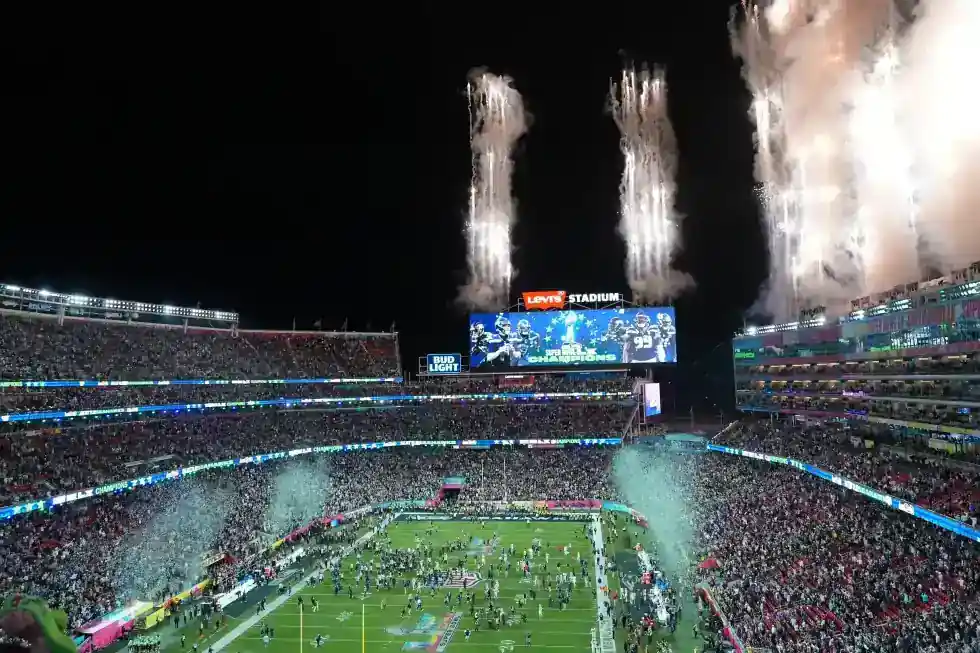
The campaign began with a coordinated broadcast moment titled “The Handoff.” Veteran broadcaster Chris Berman anchored coverage from Super Bowl 60 in Santa Clara, California, before passing to Scott Van Pelt, who delivered a 90-minute postgame program from SoFi Stadium, the venue for the 2027 championship.
This symbolic transition linked the conclusion of the most recent Super Bowl to the start of ESPN’s long lead-up to its own broadcast of the event.
Across ESPN, ABC, and Disney networks, viewers have also seen a 60-second promotional spot titled “We’re Going,” featuring a mix of Disney characters and well-known ESPN and ABC personalities. The advertisement signals how the company intends to blend sports storytelling with its broader entertainment identity over the coming year.
Original series and storytelling projects
Several content projects are already underway as part of the campaign. One series, “I Scored a Touchdown,” profiles 61 players who have scored in past Super Bowls. The series debuted with New York Giants wide receiver David Tyree, whose helmet catch in Super Bowl XLII remains one of the game’s most remembered moments.
■ Related News




ESPN has also launched a podcast titled “The Biggest Game,” hosted by Jeremy Schaap. The first episode featured Chris Berman, who has covered 44 consecutive Super Bowls. New episodes are scheduled to air weekly as the NFL offseason progresses, particularly leading into the NFL Draft in April.
Additional programming, marketing efforts, and features are expected to roll out gradually across the offseason, maintaining a steady drumbeat of Super Bowl-related content.
Disney-wide integration
ESPN chairman Jimmy Pitaro described the effort as a company-wide initiative that draws on Disney’s breadth of brands and platforms.
“This fan-focused initiative unites our company’s beloved brands with industry-leading storytelling and technology to showcase football’s greatest stories, heroes, and moments like never before,” Pitaro said. “Across our platforms, screens, and parks, we’ll build momentum throughout the year toward Super Bowl 61 — a monumental event for sports fans everywhere and for ESPN.”
The reference to parks reflects Disney’s intent to extend the campaign beyond traditional media, incorporating experiential and promotional elements across its theme park operations and consumer spaces.
Extending the Super Bowl’s media lifecycle
For decades, the Super Bowl has stood as a singular media event, commanding global attention for one evening each February. ESPN’s approach signals an effort to stretch that attention across months of storytelling, nostalgia, and build-up content.
The network’s 24-hour sports format allows for deeper archival features, athlete profiles, and historical retrospectives that can be revisited repeatedly without exhausting audience interest. By spacing out content across television, streaming, audio, and social platforms, ESPN aims to keep the Super Bowl narrative active throughout the NFL calendar.
This approach also aligns with broader trends in sports media, where major events now generate extended coverage cycles that begin immediately after the previous edition concludes.
Preparing for a milestone broadcast
The 2027 game in Los Angeles represents a milestone for ESPN, which has long covered the NFL but never previously held the rights to broadcast the Super Bowl. Internally, executives and long-serving staff view the moment as a culmination of decades of sports coverage.
Tennant noted that many employees have spent their careers at ESPN without the opportunity to work on a Super Bowl broadcast, underscoring the internal significance of the event.
The year-long strategy serves not only as audience engagement but also as preparation for a broadcast that carries both symbolic and commercial importance for the network.
As the NFL season moves through its offseason milestones — free agency, the draft, training camps, and the regular season — ESPN plans to tie each moment back to the approaching championship in Los Angeles.
Source: AP News – ESPN’s ‘Year of the Super Bowl’ will make the NFL title game a year-round experience