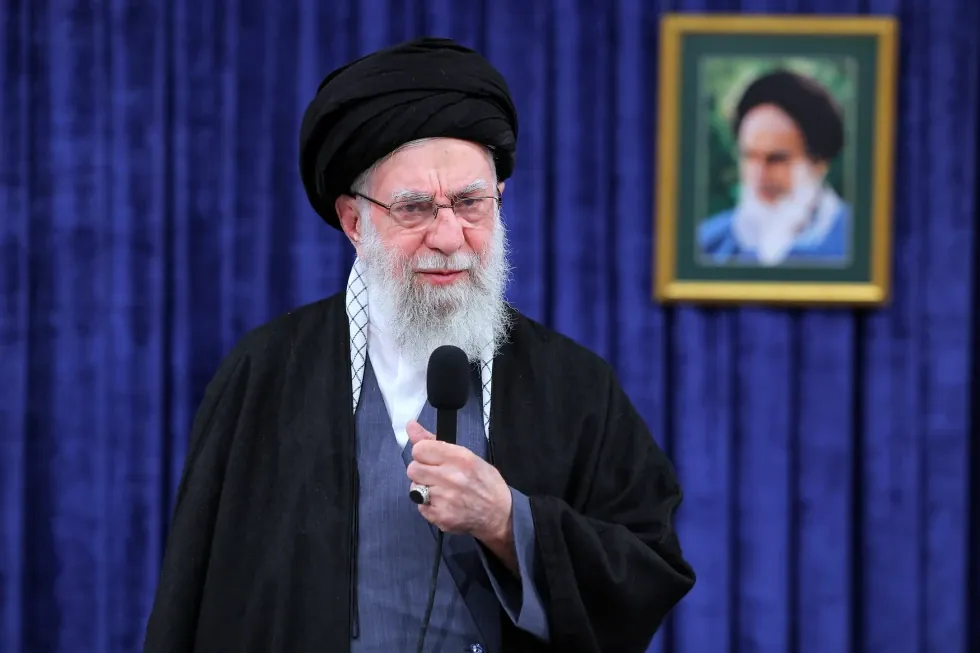
DUBAI, United Arab Emirates (JN) – The reported death toll from Iran’s recent nationwide protests has climbed to at least 7,002 people, according to a U.S.-based rights monitoring group that has tracked unrest inside the Islamic Republic for years. The figure, released Thursday, underscores the scale of the crackdown that followed weeks of demonstrations and comes as Iranian authorities face renewed international attention over both domestic repression and regional tensions.
The updated tally from the Human Rights Activists News Agency (HRANA) adds to mounting questions about the human cost of the unrest, even as Iran’s government has publicly cited a significantly lower figure. Communications disruptions, internet restrictions and limits on international access have made independent verification difficult, leaving outside observers reliant on activist networks and official statements that sharply diverge.
The rising death count also unfolds against a backdrop of delicate diplomacy. Tehran is engaged in intermittent negotiations with Washington over its nuclear program while regional actors, including Israel and Gulf states, watch closely for signs of escalation or compromise.

Activists report steady rise in confirmed deaths
HRANA, which is based in the United States and maintains contacts across Iran, said the slow increase in its reported death toll reflects the time required to verify individual cases amid tight information controls. The group has previously provided detailed casualty counts during earlier periods of unrest and is often cited by international media and rights organizations.
Iran’s government, in a statement issued on Jan. 21, said 3,117 people had been killed during the protests. Iranian authorities have historically provided limited or delayed casualty figures following episodes of internal unrest, and have rejected many external estimates as politically motivated.
The Associated Press and other international outlets have said they are unable to independently confirm the numbers because of restrictions on communications and reporting inside the country.
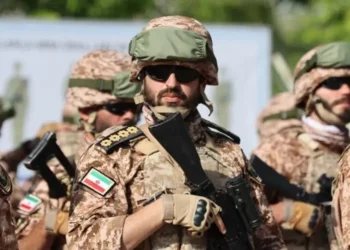
The protests, which spread across multiple cities, prompted a sweeping security response that included mass arrests and widespread efforts to curb dissent. Families of those killed are now approaching the traditional 40-day mourning period observed in Iran, a milestone that has in the past renewed public gatherings and remembrance events.
Diplomacy unfolds amid regional tensions
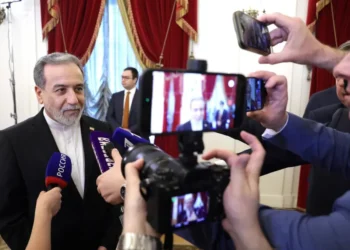
The internal unrest coincides with renewed diplomatic maneuvering over Iran’s nuclear program. Senior Iranian official Ali Larijani met this week in Qatar with Foreign Minister Sheikh Mohammed bin Abdulrahman Al Thani, according to regional media reports. Qatar has long played a mediating role between Iran and the United States and hosts a major U.S. military base.
■ Related News

Larijani also held meetings in Oman and with representatives of the Palestinian group Hamas, according to regional broadcasters. Speaking to Al Jazeera, Larijani said there had been an “exchange of messages” with the United States but no formal proposal during recent contacts in Oman.
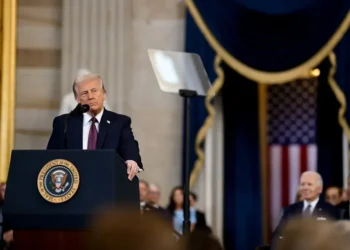
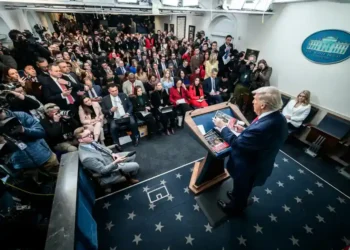
Qatar’s state news agency reported that Emir Sheikh Tamim bin Hamad Al Thani spoke with U.S. President Donald Trump about regional de-escalation efforts and broader security concerns, without providing details.
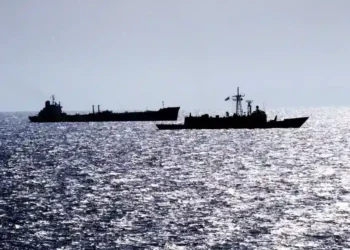
The United States has increased its military presence in the region in recent weeks. The aircraft carrier USS Abraham Lincoln, along with additional ships and aircraft, has been deployed to the Middle East. U.S. officials said forces shot down a drone that approached the carrier and assisted a U.S.-flagged vessel in the Strait of Hormuz after what they described as interference by Iranian forces.
In comments reported by Axios, Trump said he was considering sending a second carrier to the region, describing an “armada” moving into place. In a post on his Truth Social platform, Trump said he favored continued negotiations but warned of consequences if talks failed.
Concern grows over treatment of Nobel laureate
International concern has also focused on the treatment of Iranian activist Narges Mohammadi, who received the Nobel Peace Prize in 2023. The Norwegian Nobel Committee said it was “deeply appalled” by what it described as credible reports of her arrest, physical abuse and ongoing mistreatment.
According to the committee, Mohammadi has been denied adequate medical care and has experienced repeated health issues while in custody, including episodes of fainting and dangerously high blood pressure. The committee called for her immediate and unconditional release.
Iranian authorities recently sentenced the 53-year-old activist to more than seven additional years in prison. Supporters had warned before her arrest that she risked being returned to prison after a medical furlough in December 2024.
Her case has drawn renewed attention to the broader climate for dissent in Iran, where activists, journalists and civil society figures have faced arrest and prosecution following the protests.
A widening gap between official and activist accounts
The divergence between official and activist casualty figures highlights the difficulty of assessing events inside Iran during periods of unrest. Rights groups say documentation takes time as they work to confirm names, locations and circumstances of deaths through local contacts.
For Iranian authorities, the unrest represents a challenge to internal stability at a time when the country is also navigating sensitive foreign policy negotiations and regional rivalries. For families of those killed, the coming days of mourning may become a renewed focus for remembrance and quiet protest.
As diplomatic efforts continue and international attention remains fixed on Tehran, the human toll reported by activists is likely to remain a central part of the conversation about Iran’s recent unrest and its broader political trajectory.
Source: AP News – Deaths in Iran’s crackdown on protests reach at least 7,000, activists say