Stunning tattoos found on 2,000-year-old Siberian mummy reveal advanced artistry
August 1, 2025, 14:30 EDT
A new study has unveiled intricate body art on a well-preserved Siberian mummy, offering fresh insight into Iron Age tattooing. Using advanced imaging techniques, researchers have highlighted the extraordinary detail and technical expertise behind the ancient tattoos, pointing to a sophisticated tattoo culture among the Pazyryk people.
Pazyryk culture and the frozen tombs of Siberia
The discovery stems from archaeological remains associated with the Pazyryk culture, a nomadic society that lived in the Altai Mountains of southern Siberia around the 5th century BCE. Due to the permafrost of the region, the bodies of several individuals—including the famous “Ice Maiden”—have been remarkably preserved for over 2,000 years, with soft tissues and skin still largely intact.

This exceptional preservation has allowed scientists to study not only burial customs and clothing but also rare examples of prehistoric tattooing. The new findings were published in the journal Antiquity on Thursday, adding depth to what is known about ancient body modification.
According to the study’s lead author, Dr. Gino Caspari of the Max Planck Institute of Geoanthropology and the University of Bern, the tattoos “have long intrigued archaeologists due to their elaborate figural designs.”
Technology reveals never-before-seen tattoo detail
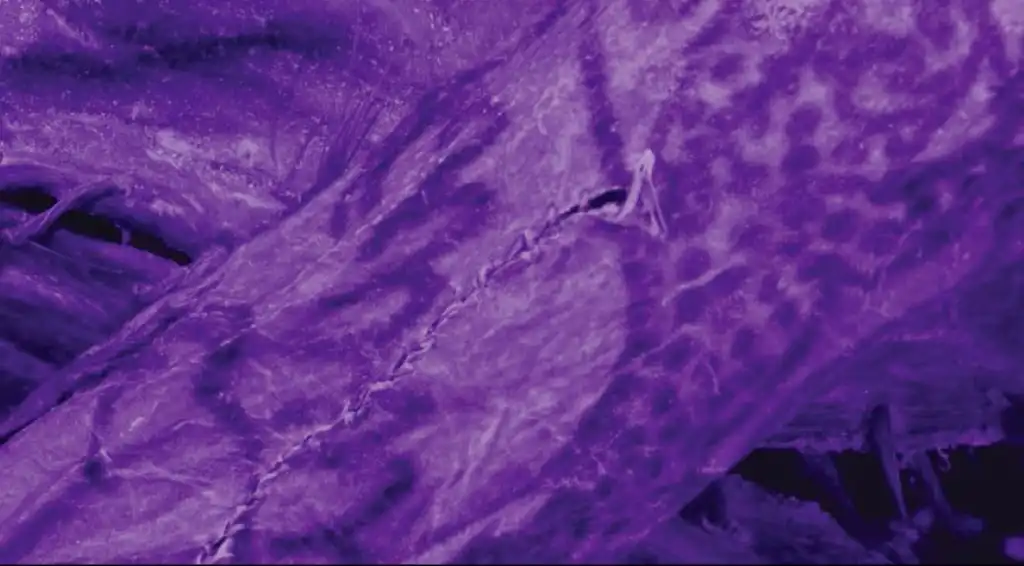
While earlier analyses relied on schematic sketches or basic visual inspection, this latest research used high-resolution near-infrared photography to capture detailed 3D scans of the mummy’s skin. The results revealed nuances that had been invisible to the naked eye or previous scanning methods.
One tattooed female mummy in particular stood out. The imaging focused on her forearms, which had previously been noted for decoration. However, the right forearm exhibited a notably higher level of craftsmanship than the left.
“The right arm shows a finer attention to detail and a greater array of visual techniques,” noted the researchers. This arm also featured a carefully designed layout that allowed the tattoo to follow the natural contours of the wrist and forearm—something modern tattoo artists also consider to enhance the aesthetic flow of their work.
Collaboration with modern tattooists sheds light on ancient methods
To better understand the technical execution of the tattoos, the research team consulted with experienced modern tattoo artists. Their input helped identify key characteristics such as line consistency, saturation, and design placement—elements that pointed to the high level of skill involved in producing the ancient ink.
The study suggests that the tattoos were likely created using hand-poked methods, which are notoriously difficult to master even with modern tools. “Achieving such crisp and uniform results, especially with hand-poked methods, would be a challenge even for contemporary tattooists using modern equipment,” the authors wrote.
The complexity and precision of the right forearm tattoo suggest that it may have been done over multiple sessions and possibly by a more experienced artist—or at a later stage of the same artist’s training.
Tattooing as a craft, not just cultural symbolism
Beyond aesthetics, the study argues that tattooing in the Pazyryk culture was likely a specialized craft rather than a casual or purely symbolic practice. The evidence points toward a community of skilled practitioners who may have undergone formal training or apprenticeship.
Dr. Caspari emphasized this point in a statement: “Tattooing emerges not merely as symbolic decoration but as a specialized craft—one that demanded technical skill, aesthetic sensitivity, and formal training or apprenticeship.”
This idea moves away from seeing ancient tattoos only as tribal or ritualistic markers. Instead, it suggests a vibrant tattooing tradition with standards, teaching methods, and evolving styles—much like the professional tattoo industry of today.
Personal expression in prehistoric times
Importantly, the research sheds light on personal agency in prehistoric body art. Tattoos, like those found on the Pazyryk mummy, were likely more than status markers or religious symbols—they may have also expressed individual identity, creativity, and mastery of craft.
“This made me feel like we were much closer to seeing the people behind the art, how they worked and learned and made mistakes,” said Caspari. “The images came alive.”
The focal point of the forearm tattoo—a feline figure strategically placed to draw attention—demonstrates both artistic intent and cultural significance. The use of animal motifs was common in Pazyryk art, often representing power, spirituality, or clan affiliation.
A link between past and present
The similarities between ancient and modern tattooing practices highlight the continuity of human artistic expression across millennia. Both rely on precision, practice, and creativity—bridging the distant past with today’s global tattoo culture.
While much about the Pazyryk people remains unknown, their tattooing legacy endures. Thanks to cutting-edge technology and interdisciplinary research, archaeologists can now better appreciate the human touch behind prehistoric ink.
As new mummies and preserved remains continue to be discovered in Siberia and beyond, researchers anticipate that more detailed studies like this one will emerge, offering deeper understanding of ancient societies and the stories their skin still tells.
Source: CNN – New imaging reveals intricate tattoos on 2,000-year-old Siberian ‘ice mummy’